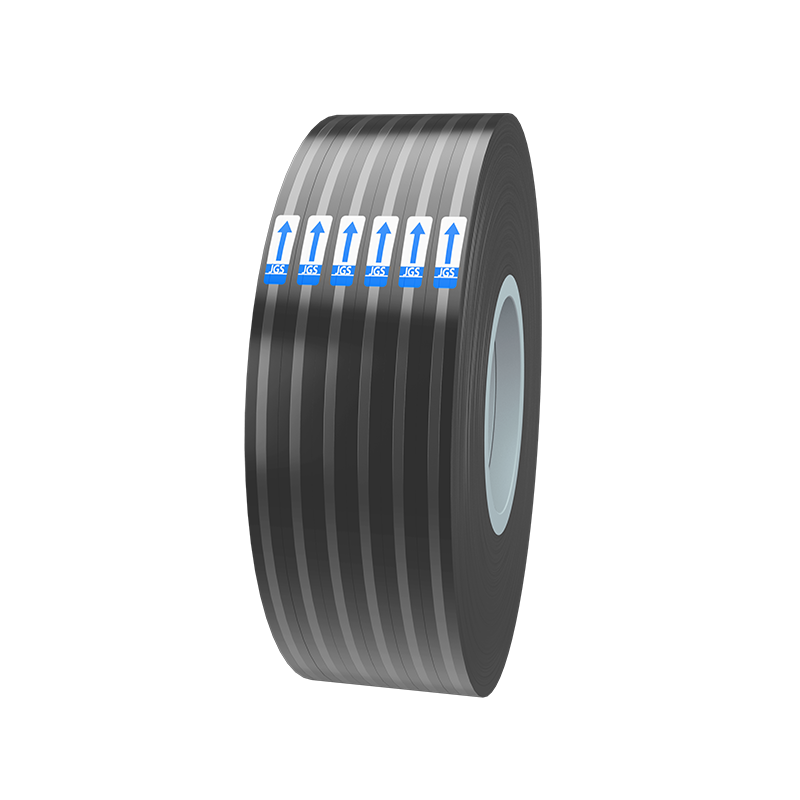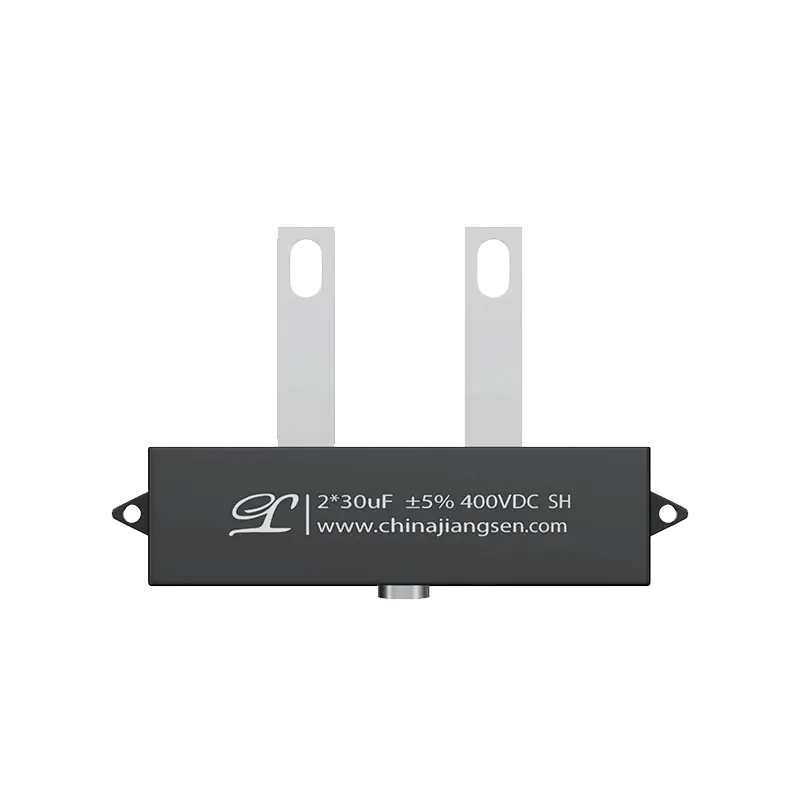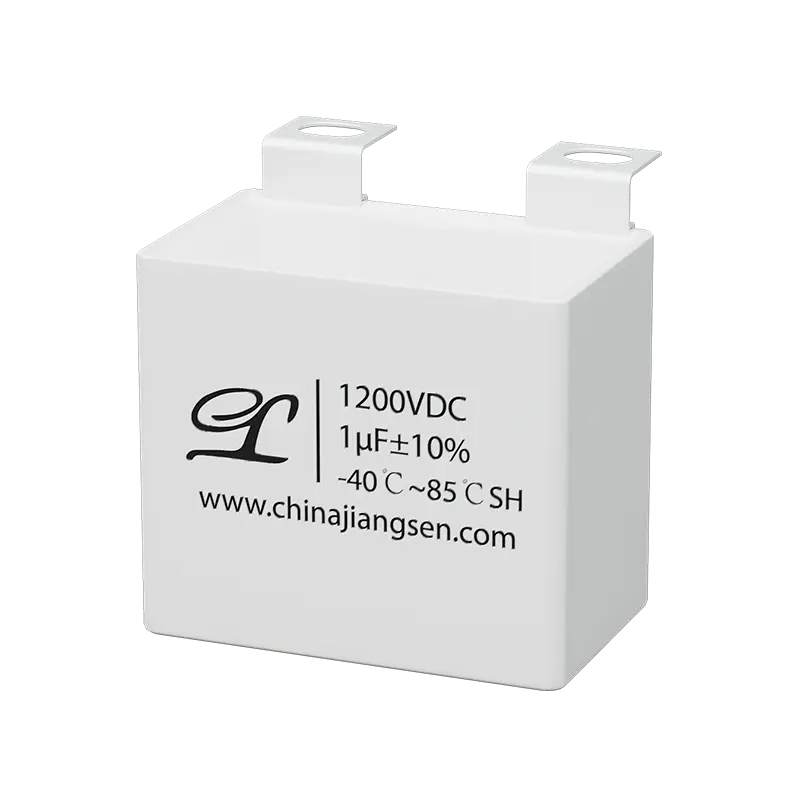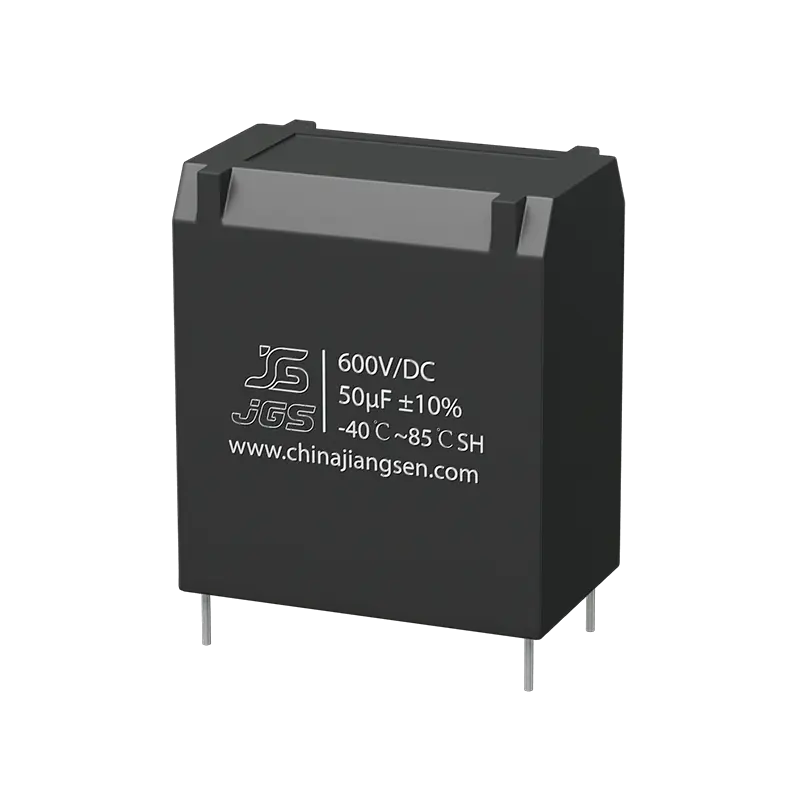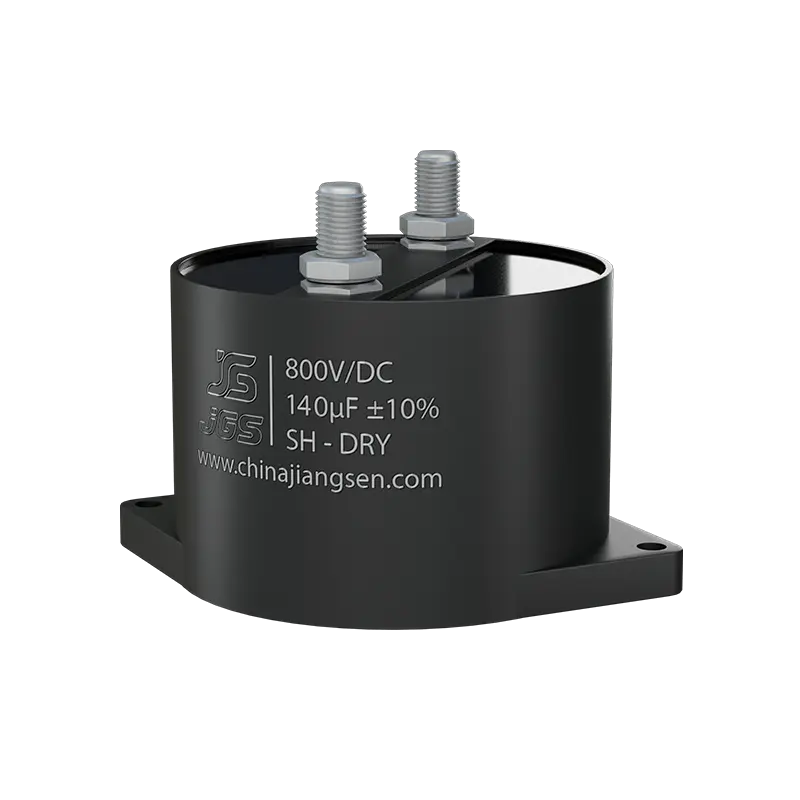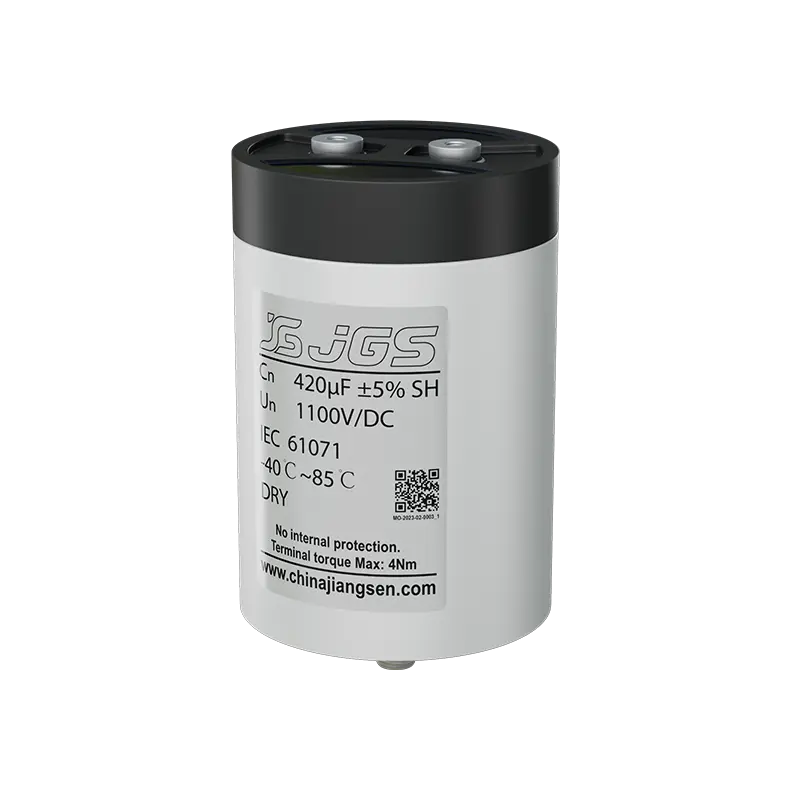
In an era of rapid evolution in power electronics technology, the demands for high stability, high efficiency, and long lifespan are constantly increasing. Among numerous components, DC Link Film Capacitors, due to their unique technological advantages, are gradually becoming the preferred capacitor solution in inverters, frequency converters, energy storage systems, and new energy equipment. From material structure to electrical performance and environmental adaptability, its advantages are driving the entire power electronics industry towards higher reliability.
In high-frequency, high-power-density power electronic equipment, energy loss control is crucial for efficiency. DC Link Film Capacitors, leveraging the characteristics of thin-film dielectrics, exhibit extremely low dielectric losses, enabling the capacitors to maintain stable energy handling capabilities even under prolonged high-voltage operation. The dielectric material's polarization reaction in an electric field is extremely rapid, reducing energy consumption within the dielectric and resulting in lower overall operating temperatures, thereby improving system efficiency and lifespan.
The advantages of low loss are not only reflected in reduced heat generation, but also in enabling the system to operate at higher frequencies and faster response times, which is particularly important for advanced power electronics using wide-bandgap devices.
DC Link Film Capacitors' thin-film material possesses unique self-healing properties. When a localized area experiences a weak breakdown due to short-term stress, the film can restore its insulation properties by instantaneously evaporating the metal electrodes, preventing the capacitor from failing entirely due to localized damage. This self-healing mechanism significantly improves the long-term stability of the product, allowing it to maintain excellent performance in long-term high-voltage operating environments.
Compared to other types of capacitors, which are more prone to aging or dielectric degradation, the self-healing properties of film capacitors result in longer lifespans and lower failure rates, providing strong protection for system stability.
As power electronics technology advances towards higher frequencies, the equivalent series inductance of capacitors has become a key parameter affecting system performance. DC Link Film Capacitors inherently possess a low inductance advantage, effectively reducing voltage spikes and noise in high-frequency switching environments, thereby protecting devices from transient shocks.
The low-inductance structure also allows the capacitors to handle rapidly changing currents more easily, improving the overall dynamic performance of the bus. This advantage is crucial for high-end equipment that demands higher power density and smaller size.
Ripple current in DC buses is significant, directly affecting capacitor temperature rise and lifespan. DC Link Film Capacitors possess strong high ripple current carrying capacity, maintaining stable operation even under high loads and frequent dynamic changes. Its dielectric material and internal structure combine to create low temperature rise characteristics, allowing it to maintain excellent electrical performance even under high ripple stress.
In new energy inverters, electric vehicle drive systems, and high-power industrial devices, this advantage ensures higher system stability and durability.
Power electronic systems often operate at high temperatures, making capacitor temperature resistance a crucial criterion for reliability assessment. The thin-film dielectric of DC Link Film Capacitors exhibits excellent thermal stability, making it less prone to dielectric aging or parameter drift in high-temperature environments. Its structural design effectively dissipates heat, ensuring stable electrical performance of the capacitor even under prolonged high temperatures.
In harsh environments such as new energy vehicles, grid energy storage, and industrial drive equipment, this thermal stability allows the system to withstand more demanding operating conditions.
Compared to other capacitor technologies that are more prone to capacitance degradation or dielectric precipitation, film capacitors exhibit minimal parameter changes over long-term operation. Their materials are chemically resistant and resistant to aging, making them suitable for continuous operation and long-cycle tasks.
The long lifespan not only reduces maintenance costs associated with component replacement but also improves the overall economics of the equipment over its lifecycle, a significant value for both equipment manufacturers and end-users.
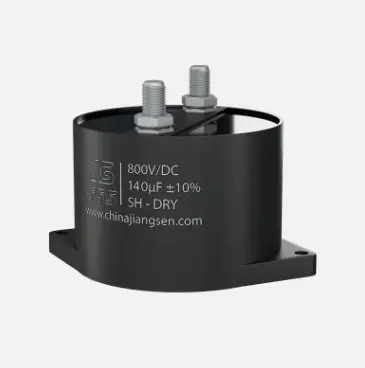
As power electronic devices continue to evolve towards smaller size and higher integration, the low-loss, low-temperature-rise, and high-energy-density characteristics of DC Link Film Capacitors perfectly align with this trend. Their flexible packaging and highly optimized internal structure allow engineers to achieve higher bus stability within limited space.
DC-link film capacitors, with their numerous advantages including low loss, strong self-healing properties, low inductance, high ripple load capacity, high temperature resistance, long lifespan, and suitability for high power density structures, have become core components in modern power electronic systems. Their performance advantages not only improve equipment efficiency and stability but also represent the future direction of power conversion technology.
As the new energy, electric transportation, high-end manufacturing, and energy storage industries continue to grow, the value of DC-link film capacitors will continue to amplify, playing an increasingly crucial role in driving industry progress.

© 2010-2024 www.chinajiangsen.com All rights reserved.
Privacy Policy
增值电信业务经营许可证 苏ICP备12026789号-1



 Español
 简体中文
简体中文