Aluminum metallized film rolls are an important packaging material widely used in various industries. Their superior performance makes them crucial in food packaging, insulation materials, and many other fields. However, evaluating their quality and durability is a concern for many manufacturers and buyers.
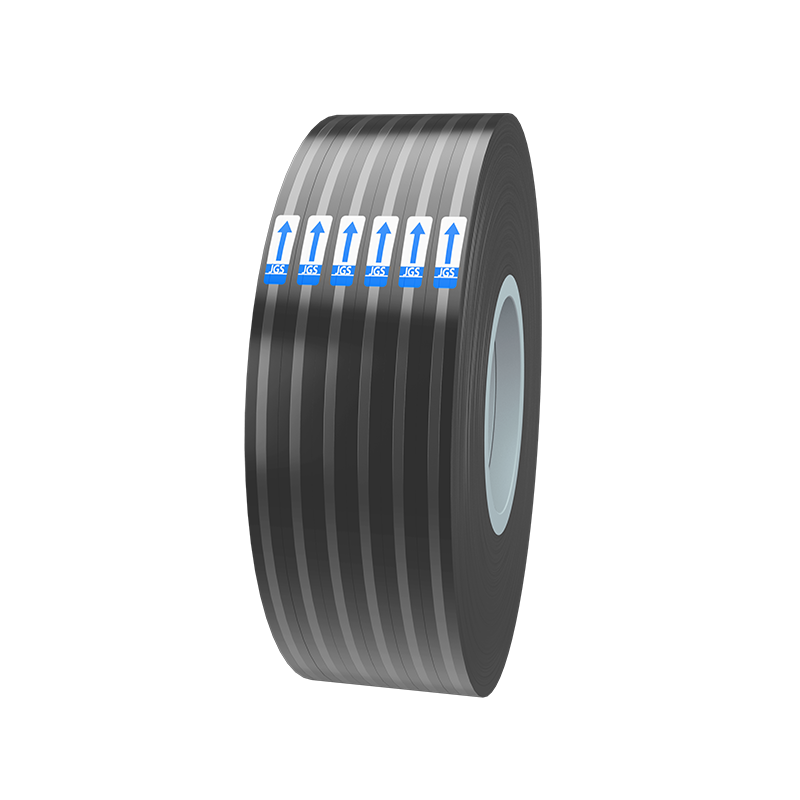
Aluminum metallized film rolls are formed by coating aluminum metal onto a film substrate (such as PET, CPP, etc.) to create a film material with a metallic luster. The aluminum metallization layer is typically very thin, only a few micrometers, which allows it to retain the excellent properties of metal while maintaining the flexibility and lightweight of plastic film. Compared to ordinary plastic film, aluminum metallized film offers better optical properties and barrier properties.
Aluminum metallized film rolls have a wide range of applications, especially in the packaging and insulation industries. Here are some typical applications:
The optical properties of aluminum metallized film rolls are an important indicator for evaluating their quality. Its reflectivity and brightness directly affect its application effect in the packaging industry. The gloss and reflectivity of aluminum metallized film give it a metallic visual appearance, and it is often used in packaging materials that need to attract consumer attention.
Compared to ordinary plastic film, aluminum metallized film is more visually striking. Ordinary plastic film is usually transparent or translucent, while aluminum metallized film provides a strong reflective effect through the aluminum layer, thereby enhancing the perceived quality of the product in the packaging.
| Characteristics | Aluminum Metallized Film | Ordinary Plastic Film |
| Gloss | High | Low |
| Reflectivity | High | Low |
| Visual Effect | Metallic, Shiny | Transparent or Translucent |
| Common Applications | High-end Packaging, Food Packaging | General Packaging |
The thickness of the aluminum layer in an aluminum metallized film directly affects its performance, especially in gas barrier properties and mechanical strength. Generally, a thicker aluminum layer results in better film quality and performance, but it can also affect the film's flexibility and breathability. When evaluating the quality of an aluminum metallized film, the uniformity of the aluminum layer is crucial; uneven thickness can affect the overall performance, leading to weaker performance in certain areas.
Aluminum metallized films exhibit good high and low temperature resistance. Laboratory testing can evaluate the stability of aluminum metallized films under different temperature conditions. It effectively resists the effects of high-temperature environments, maintaining its original luster and mechanical properties. In contrast, ordinary plastic films may deform or melt under high temperatures.
A key characteristic of aluminum-metallized films is their excellent moisture and oxygen barrier properties. Gas permeability (OTR) testing can reveal the barrier effect over long-term use. Aluminum-metallized films effectively block the entry of external moisture and oxygen, extending the shelf life of packaged goods, making them particularly suitable for food packaging.
| Characteristics | Aluminum-metallized Film | Ordinary Plastic Film |
| Temperature Resistance | High | Medium |
| Moisture Barrier Properties | High | Low |
| Oxygen Barrier Properties | High | Low |
| Common Applications | Food Packaging, Pharmaceutical Packaging | General Packaging |
The chemical resistance of aluminum-metallized films is also outstanding. It can resist certain chemical substances, such as oils and solvents, making it widely applicable in certain specialized industries. For example, aluminum metallized film is widely used for packaging chemicals, pharmaceuticals, and other products susceptible to environmental influences. Furthermore, aluminum metallized film has strong UV resistance, allowing for extended use in outdoor environments, while ordinary plastic films are prone to fading or aging due to UV exposure.
The durability of aluminum metallized film rolls in the packaging industry is reflected in its excellent barrier properties. Especially in food packaging, aluminum metallized film effectively blocks oxygen and moisture, extending the shelf life of food. Compared to ordinary plastic films, aluminum metallized film has a longer service life and better performance.
In industrial applications, the durability of aluminum metallized film as an insulating material is also outstanding. It can withstand extreme temperature changes and possesses strong mechanical strength, ensuring stability during long-term use. In the construction and electronics industries, aluminum metallized film is widely used for thermal insulation.
Choosing the right supplier is crucial to ensuring the quality of aluminum metallized film. When selecting a supplier, pay attention to their production processes, quality control standards, and product certifications. A reliable supplier can provide aluminum metallized film that meets international quality standards and ensures stable performance.
With increasing environmental awareness and the continuous development of the packaging industry, the market demand for aluminum metallized film is growing. Many suppliers are focusing on developing higher-performance and more environmentally friendly aluminum metallized film products to meet the needs of different fields.
Through the above multi-dimensional analysis, we can see that aluminum metallized film rolls, with their excellent optical properties, mechanical strength, temperature resistance, and moisture resistance, have become an indispensable material in many industries. Whether in food packaging or insulation materials, aluminum metallized film provides excellent performance. Therefore, when selecting and evaluating aluminum metallized film, attention should be paid to its quality control, durability testing, and applicable environmental conditions to select the most suitable product.

© 2010-2024 www.chinajiangsen.com All rights reserved.
Privacy Policy
增值电信业务经营许可证 苏ICP备12026789号-1



 Español
 简体中文
简体中文