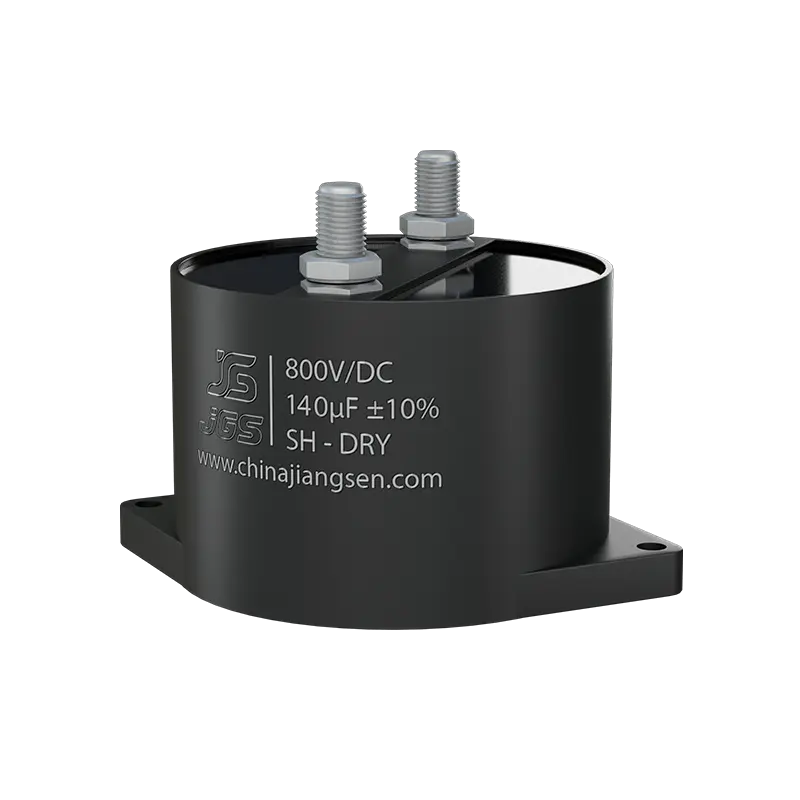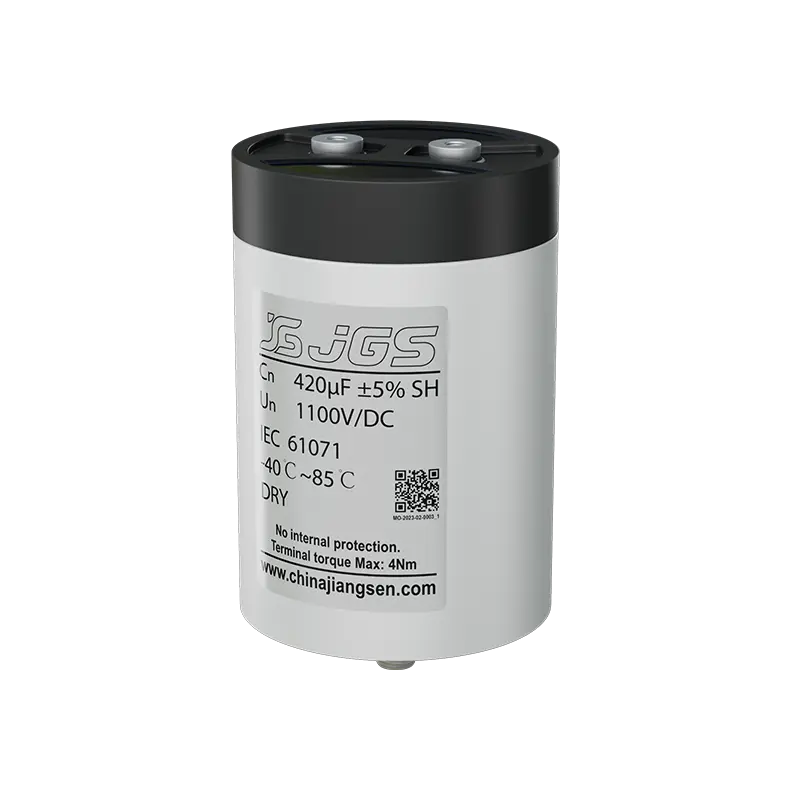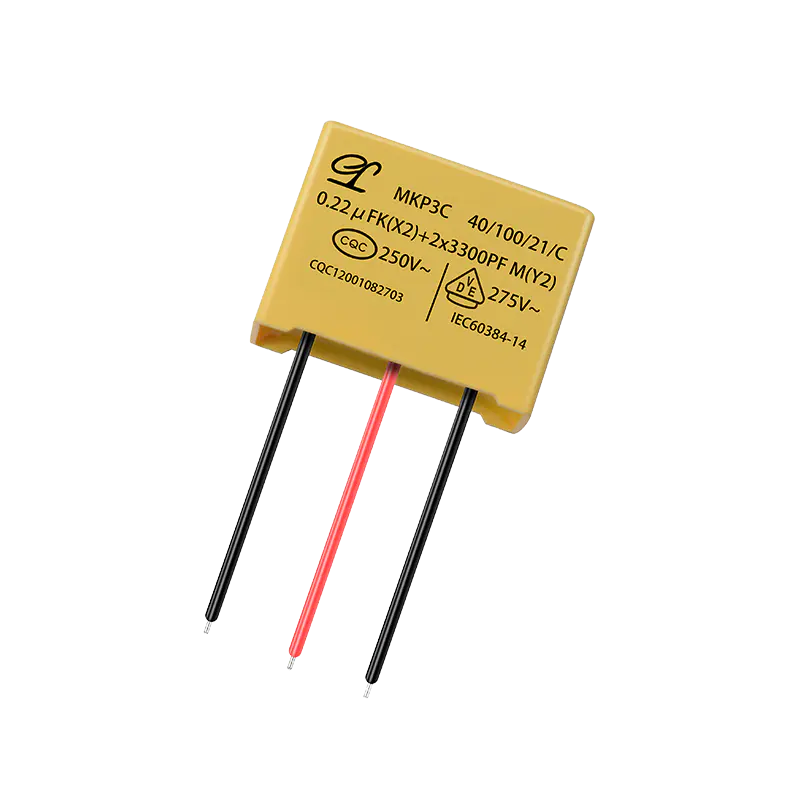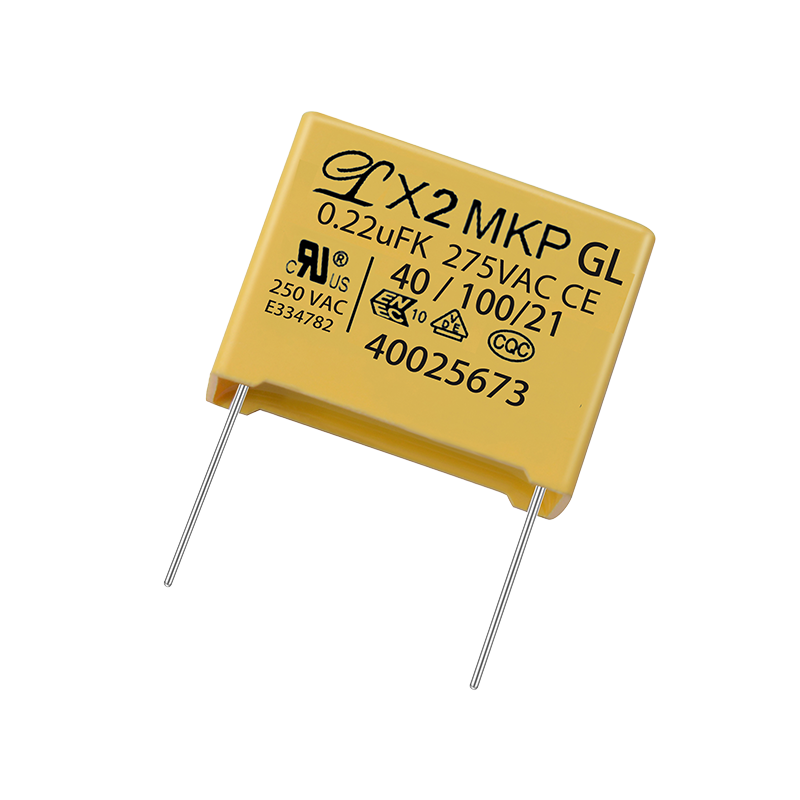
As a crucial component of modern electronic devices, metallized polyester film capacitors play a key role in various fields such as industrial control, power electronics, and consumer electronics due to their excellent electrical performance and reliability.
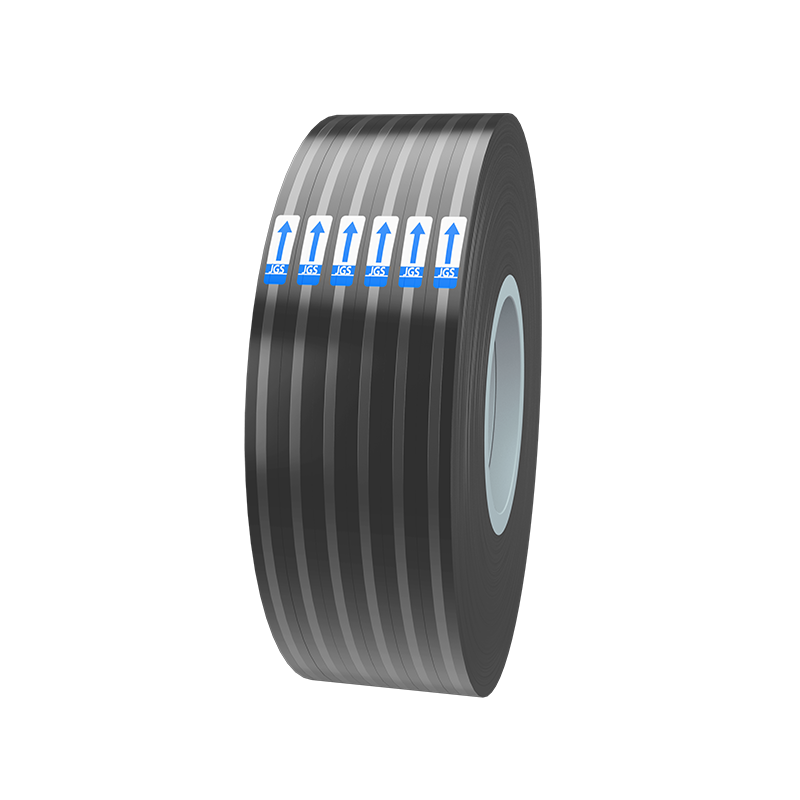
The core material of metallized polyester film capacitors is polyester film, which possesses excellent insulation properties and a stable dielectric constant. The low dielectric loss allows the capacitor to maintain stable energy storage and release even under high-frequency conditions. Polyester film also offers thermal stability and chemical inertness, ensuring long-term operation without performance degradation.
The metallization layer, formed via vapor deposition, provides electrode functionality and self-healing capabilities. If a partial breakdown occurs, the metallized layer evaporates or melts, preventing complete capacitor failure and enhancing lifespan.
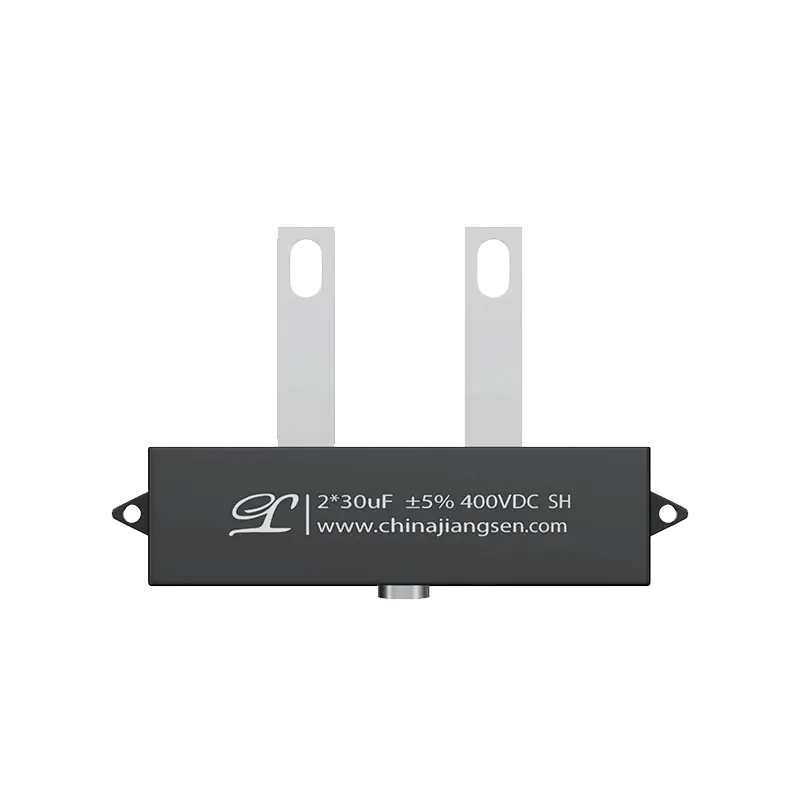
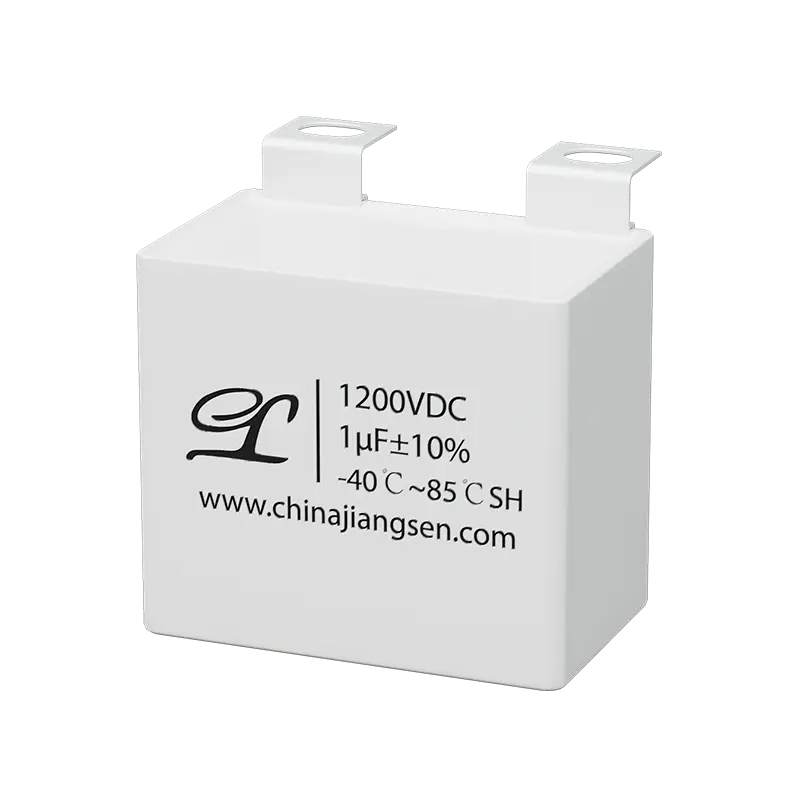
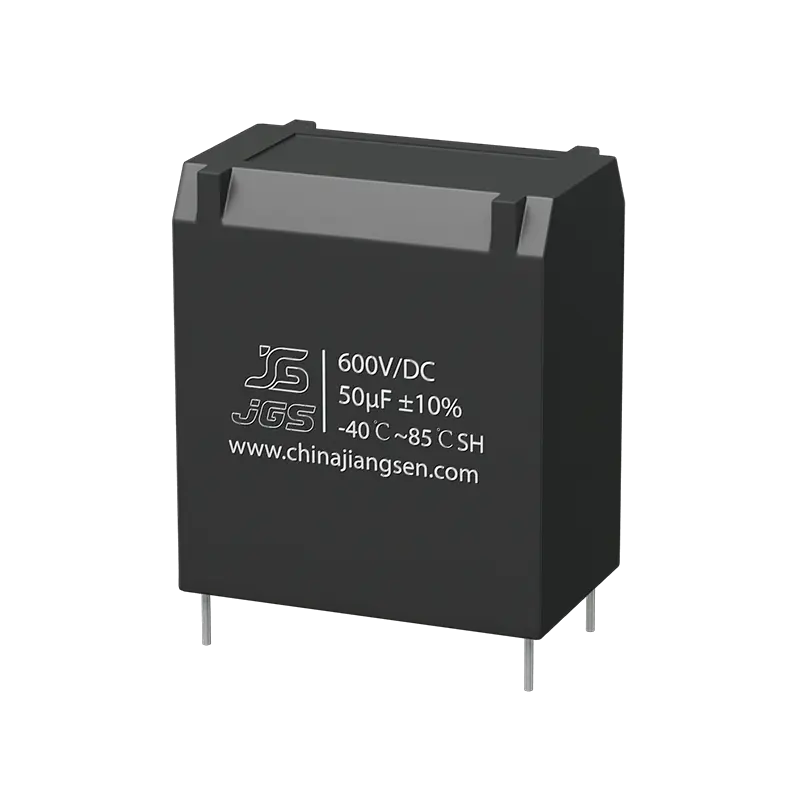
The structural design of metallized polyester film capacitors directly affects electrical performance and reliability. Capacitors commonly use wound or laminated structures to achieve high capacitance in a limited space. Wound structures offer self-healing and low ESR, while laminated structures support miniaturization and high-voltage applications.
Terminal design and packaging are crucial for moisture and heat resistance and for reducing electromagnetic interference, ensuring stable operation in complex circuits.
Metallized polyester film capacitors excel in high-frequency response, voltage withstand capability, and self-healing. Low dielectric loss and ESR enable fast voltage response, reducing energy loss. Compared to electrolytic capacitors, they maintain stability in filtering and pulse circuits.
Multi-layer winding and uniform metallization improve voltage withstand and reliability. Self-healing ensures partial breakdown does not cause complete failure, making them ideal for power supply filtering and pulse load applications.
These capacitors are widely used in filtering, bypassing, and coupling circuits to improve stability and anti-interference. In industrial control, communication systems, and new energy modules, long lifespan and high reliability ensure stable operation.
They also contribute to energy efficiency and environmental protection, with low-loss reducing heat generation and recyclable materials supporting green design.
Performance stability depends on precise manufacturing: material selection, metallization, winding/lamination, terminal soldering, and encapsulation. High-quality production ensures capacitance accuracy, voltage withstand, and thermal stability. Rigorous testing, including withstand voltage, insulation resistance, and self-healing, guarantees design performance.
A1: Yes, their low dielectric loss and ESR make them ideal for filtering, pulse, and coupling circuits.
A2: Partial breakdown causes the metallization layer to evaporate or melt, breaking the local short circuit and preventing full failure.
A3: MPP capacitors offer superior high-frequency response, withstand voltage, lifespan, self-healing, low loss, and temperature stability.
A4: High-quality polyester film, uniform metallization, precise winding, and rigorous packaging/testing ensure stable operation.
A5: Used in filtering, bypassing, coupling circuits, industrial control, communication systems, and new energy modules.

© 2010-2024 www.chinajiangsen.com All rights reserved.
Privacy Policy
增值电信业务经营许可证 苏ICP备12026789号-1



 Español
 简体中文
简体中文