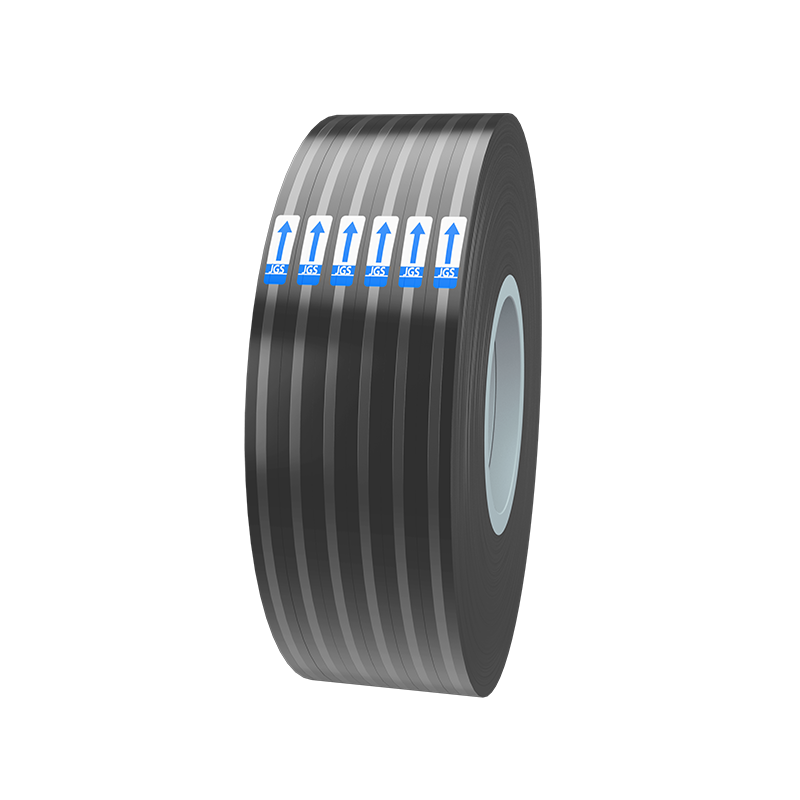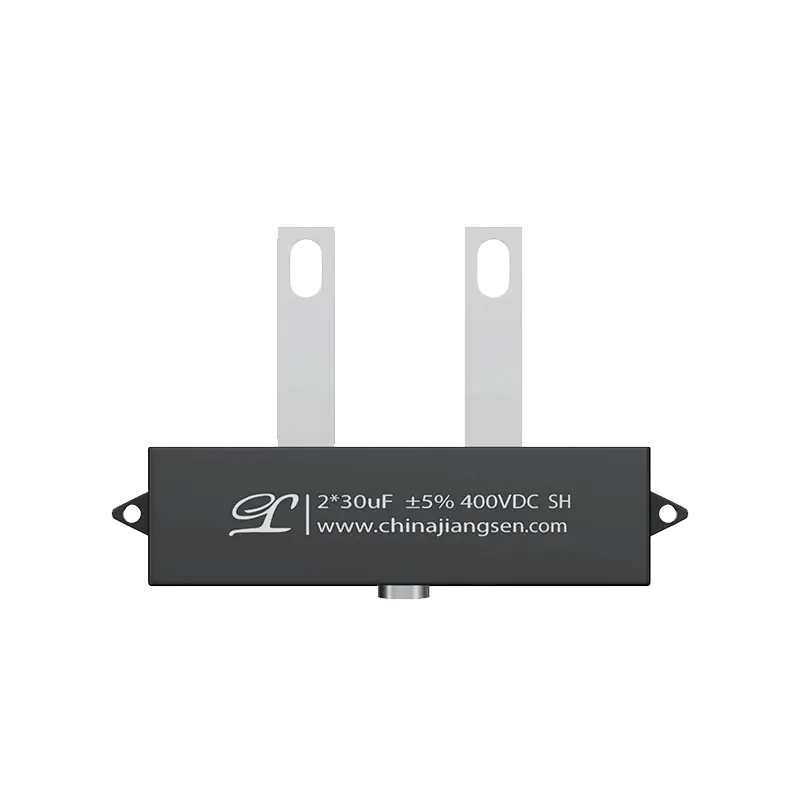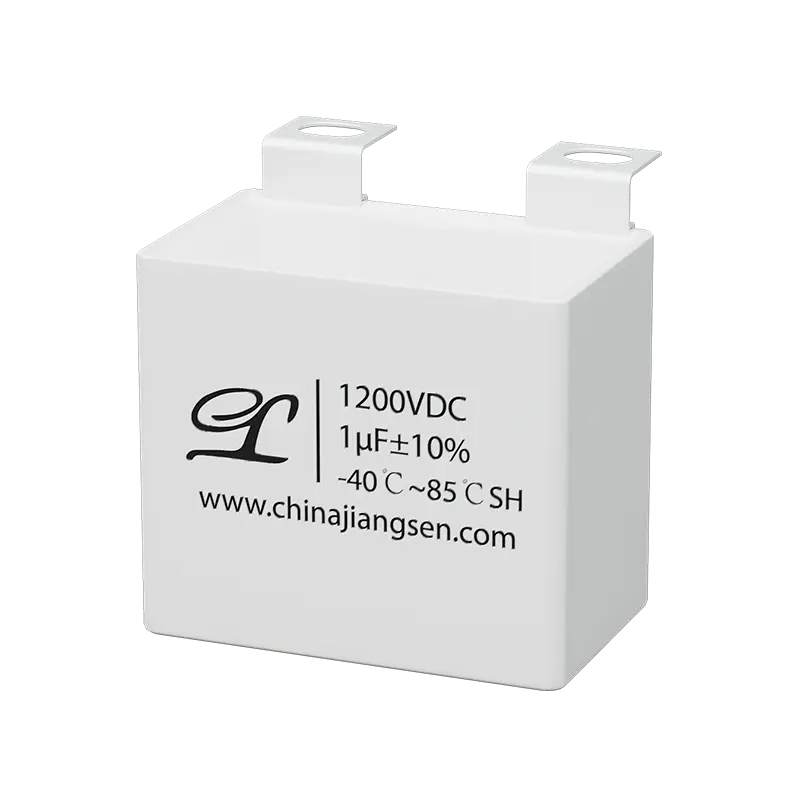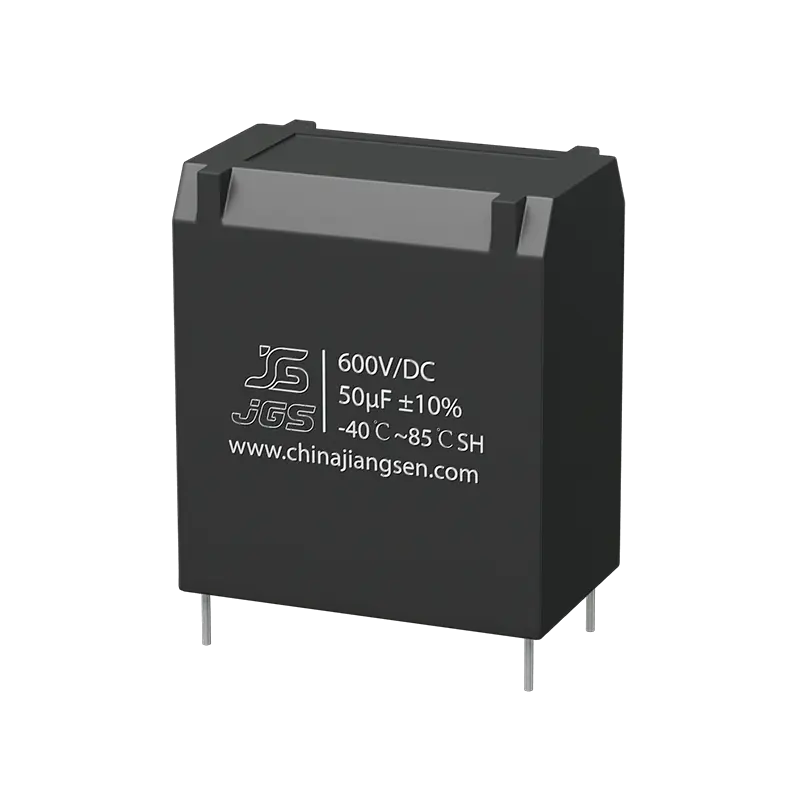
Metallized polypropylene film is a high-performance functional film formed by depositing a thin metal layer on the surface of biaxially oriented polypropylene film through vacuum metallization technology. It is the core material for manufacturing high-quality film capacitors and an important barrier packaging material in the industrial field. The film inherits the excellent insulation, heat resistance and mechanical strength of polypropylene, and adds outstanding electrical conductivity, gas barrier and light-shielding properties through metal coating, with a high cost-performance ratio and stable service life in extreme working environments.
Compared with traditional plastic films and foil materials, metallized polypropylene film has obvious advantages: its dielectric loss is extremely low, self-healing performance is excellent, and it can reduce the volume and weight of capacitors by more than 60% while ensuring performance; in packaging applications, it can block more than 99% of oxygen, water vapor and ultraviolet rays, effectively extending the shelf life of products. This material has become an irreplaceable key basic material in electronics, new energy, food, medicine and other industries.
The performance of metallized polypropylene film comes from the combination of polypropylene substrate and metal coating, and its comprehensive performance is far better than that of single material. This section focuses on the core physical, chemical and electrical properties of the film and its unique advantages in application scenarios.
The polypropylene substrate used for metallization is biaxially stretched, with uniform thickness, high tensile strength and good flexibility. The film can maintain dimensional stability at temperatures between -40°C and 125°C, and will not shrink or deform significantly under high temperature and high humidity conditions. The metal coating on the surface is nanoscale-thick, which will not increase the overall thickness and weight of the film excessively, while maintaining good adhesion and not easy to fall off during bending, folding and processing.
In terms of mechanical applications, the film has high puncture resistance and impact resistance, and can adapt to high-speed automated winding, coating and cutting processes. The tensile strength of the substrate can reach more than 100MPa, meeting the strict processing requirements of electronic components and packaging production lines.
Electrical performance is the most critical indicator of metallized polypropylene film for electronic applications. It has extremely low dielectric loss, high insulation resistance and high breakdown voltage, making it the preferred dielectric material for AC and DC capacitors. The self-healing property is a unique advantage: when local breakdown occurs due to overvoltage, the metal coating around the breakdown point will evaporate rapidly, isolating the faulty area and allowing the capacitor to continue working normally.
In packaging and industrial protection applications, the metal coating endows the film with excellent barrier properties. It can effectively block oxygen, water vapor, ultraviolet rays and various corrosive gases, avoiding the oxidation, moisture and deterioration of internal materials. The water vapor transmission rate is reduced by more than 95% compared with ordinary polypropylene film, and the oxygen transmission rate is almost zero, which is suitable for long-term storage of food, medicine, electronic components and precision instruments.
In addition, the film has good chemical stability, resistant to weak acids, weak bases and most organic solvents, and will not react with internal products, ensuring the safety and stability of packaged materials.
The production of metallized polypropylene film is a precision industrial process that integrates polymer processing and vacuum coating. The entire process requires strict control of temperature, vacuum degree and coating thickness to ensure the consistency and stability of film performance. The core processes are divided into substrate preparation, vacuum metallization, post-processing and slitting.
High-purity polypropylene resin is used as raw material, and biaxially oriented polypropylene film is produced through extrusion, casting and biaxial stretching. The substrate needs to have uniform thickness, low impurity content and high surface smoothness, which is the basis for forming a uniform metal coating. The surface of the substrate will be treated with corona or plasma to improve the adhesion between the metal layer and the film, preventing the coating from falling off.
This is the core process of the entire production. The treated polypropylene film is introduced into a high-vacuum coating chamber, and the metal raw material (usually aluminum, zinc or zinc-aluminum alloy) is heated and evaporated into atomic vapor under high vacuum conditions. The metal atoms are deposited on the moving film surface and condensed to form a dense and uniform nanoscale metal coating.
The thickness of the metal coating is precisely controlled, usually between several nanometers and dozens of nanometers. Precise control of coating thickness directly determines the electrical and barrier properties of the film. Too thick a coating will reduce flexibility, and too thin will affect conductivity and barrier effects.
After coating, the film undergoes aging treatment to enhance the bonding force between the metal layer and the substrate, and improve the stability of performance. Then, according to different application requirements, the large-width original film is slit into narrow-width films of specified sizes through precision slitting equipment. The slitted film is tested for performance indicators such as thickness, coating adhesion, breakdown voltage and barrier rate, and qualified products are packaged and delivered.
Metallized polypropylene film can be classified according to coating metal, coating structure, thickness and application scenarios. Different classifications correspond to different performance characteristics and use fields, which is convenient for targeted selection in industrial applications.
| Coating Type | Core Properties | Main Applications |
|---|---|---|
| Aluminum Metallized | High barrier, good conductivity, low cost | General capacitors, food packaging |
| Zinc Metallized | Excellent self-healing, high temperature resistance | High-voltage capacitors, industrial electronics |
| Zinc-Aluminum Alloy | Balanced performance, strong stability | New energy capacitors, precision packaging |
Thin-gauge films (below 10μm) are used for miniaturized capacitors and flexible packaging; medium-gauge films (10-30μm) are the most widely used, suitable for conventional electronic components and industrial packaging; thick-gauge films (above 30μm) have high mechanical strength, used for high-voltage, high-power capacitors and heavy-duty protection scenarios.
With its excellent comprehensive performance, metallized polypropylene film is widely used in many key industries, among which film capacitor manufacturing and high-barrier packaging are the two largest application fields, and it also has important applications in new energy, electronic information and industrial protection.
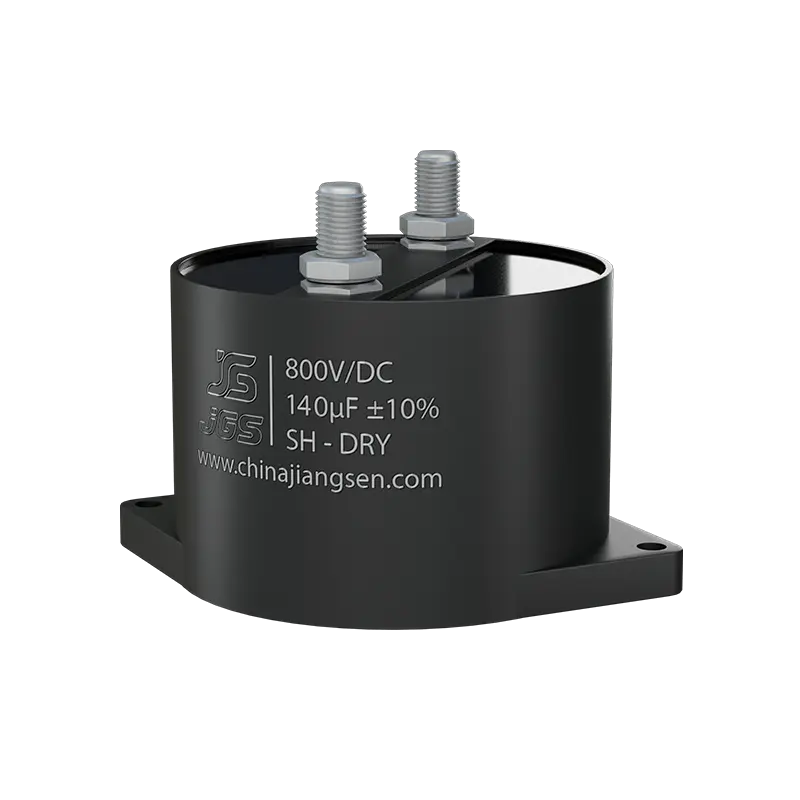
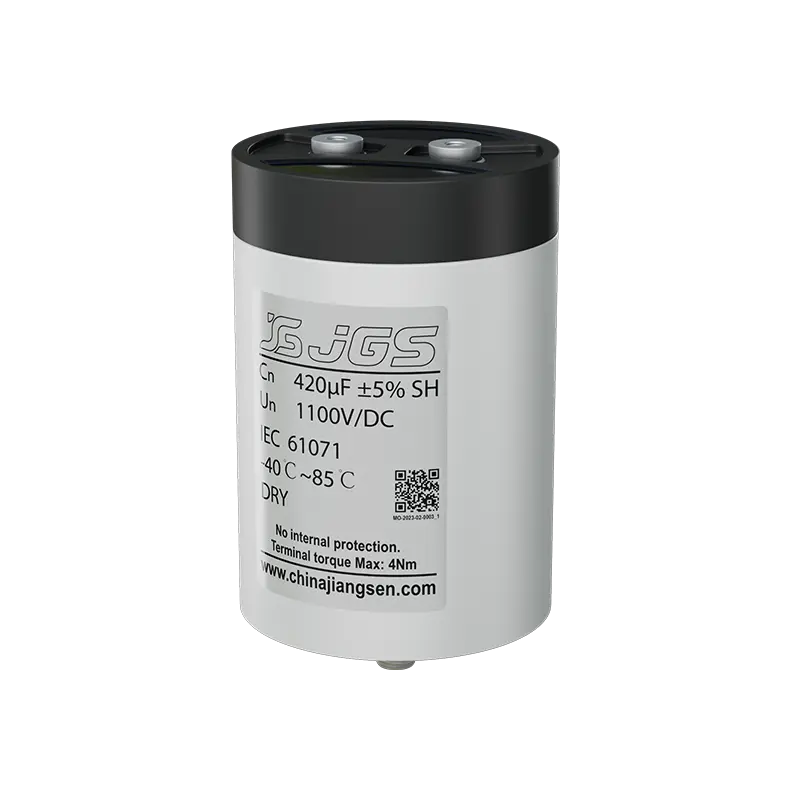
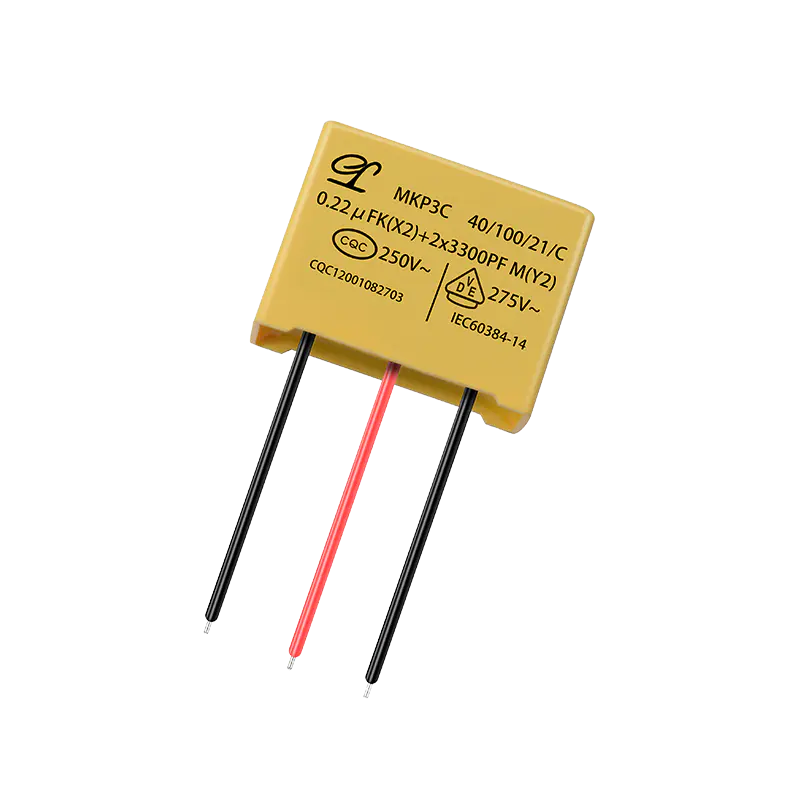
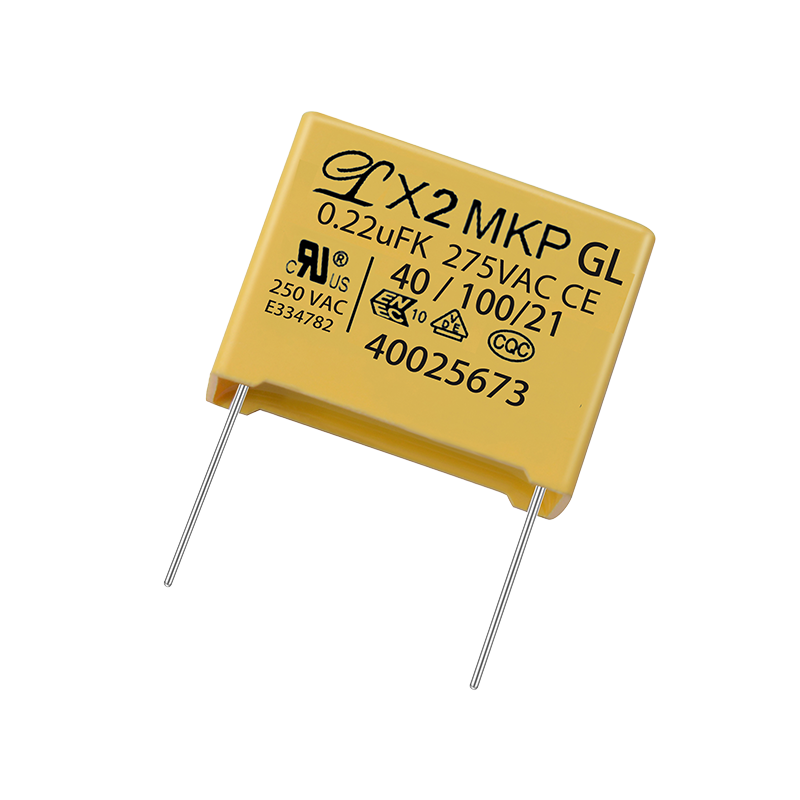
This is the most important application field of metallized polypropylene film, accounting for more than half of the total consumption. The film is used as the dielectric and electrode of capacitors, and is wound and processed to make metallized polypropylene capacitors. These capacitors have the advantages of small size, light weight, low loss, long life and high reliability, and are widely used in various electronic and electrical equipment.
In new energy vehicles, metallized polypropylene capacitors are used in motor controllers, battery management systems and charging equipment, which can work stably for more than 10 years in high-temperature and vibration environments. In photovoltaic power generation and wind power systems, they bear the functions of energy storage, filtering and voltage stabilization, ensuring the stable operation of renewable energy equipment. In addition, they are also used in household appliances, industrial power supplies, communication equipment and automotive electronics.
The excellent barrier properties of metallized polypropylene film make it an ideal material for high-end packaging. It is compounded with other plastic films to make flexible packaging materials, which are used in food, medicine, cosmetics and electronic product packaging. It can block oxygen and water vapor, prevent food oxidation and deterioration, extend shelf life, and block ultraviolet rays to protect light-sensitive products such as medicine and cosmetics.
Compared with aluminum foil packaging, metallized film packaging is lighter, more flexible, and has better transparency and decorative properties, while reducing material costs and carbon emissions. It is widely used in snack food, beverage, dairy products, pharmaceutical tablets and precision electronic component packaging.
To ensure the application effect of metallized polypropylene film in high-end fields, strict quality control and multi-dimensional performance testing are required in the production process. The testing indicators cover coating quality, electrical performance, mechanical performance and barrier performance, and comply with international and industrial universal standards.
Professional testing equipment is used in the testing process to ensure the accuracy and repeatability of data. Films that pass all testing standards can be applied to high-reliability scenarios such as automotive electronics and medical packaging. Quality control runs through the entire production chain from raw material procurement to finished product delivery, ensuring that each batch of products meets application requirements.
With the development of new energy, electronic information and advanced manufacturing industries, the performance requirements for metallized polypropylene film are continuously increasing, and the industry is developing in the direction of thinness, high performance, environmental protection and intelligence. Technological innovation has become the core driving force for the development of the industry.
Miniaturization and integration of electronic components require thinner and higher-performance capacitor films. The development of ultra-thin metallized polypropylene film below 6μm can greatly reduce the volume of capacitors while improving energy storage density. At the same time, the optimization of coating technology and alloy materials enhances the self-healing performance and high-temperature resistance of the film, adapting to the harsh working environment of new energy vehicles and industrial equipment.
The global emphasis on environmental protection has promoted the development of recyclable and degradable metallized films. The new single-material film can be recycled directly, solving the problem of difficult recycling of traditional composite packaging materials. The production process adopts low-energy-consumption vacuum coating technology and pollution-free surface treatment process, reducing energy consumption and carbon emissions by more than 30% compared with traditional processes, in line with the global carbon neutrality goal.
The application of intelligent manufacturing technology realizes the automatic control and real-time monitoring of the entire production line. The coating thickness, temperature and speed are precisely adjusted through the intelligent system to improve the consistency and stability of products. Big data analysis is used to optimize production parameters, reduce defective rates, improve production efficiency and reduce production costs, promoting the upgrading of the entire industry.
For industrial users, selecting the right metallized polypropylene film is crucial to product performance and cost. The selection needs to be combined with application scenarios, performance requirements and processing technology, and follow practical guidelines to avoid mismatches between materials and uses.
Give priority to electrical performance indicators: select zinc-aluminum alloy coated films for high-voltage and high-frequency scenarios to ensure self-healing performance and low loss; select thin-gauge films for miniaturized capacitors to reduce volume and weight; select films with good thermal stability for high-temperature environments to ensure long-term stable operation. At the same time, match the film thickness and coating structure according to the capacitor's capacity and voltage level.
Focus on barrier performance and processing performance: select aluminum metallized films for products requiring high oxygen and water vapor barrier; select films with good flexibility and heat-sealability for automated packaging lines; select food-grade and medical-grade certified films for food and pharmaceutical packaging to ensure safety and non-toxicity. According to the shelf life requirements, determine the coating thickness and barrier level of the film.
Metallized polypropylene film should be stored in a dry, cool and dust-free environment to avoid moisture, high temperature and scratch damage. During processing, control the tension and temperature to prevent the coating from falling off and the film from deforming. For capacitor films, avoid contact with metal impurities to prevent breakdown performance degradation; for packaging films, ensure the cleanliness of the processing environment to avoid affecting the packaging effect.

© 2010-2024 www.chinajiangsen.com All rights reserved.
Privacy Policy
增值电信业务经营许可证 苏ICP备12026789号-1



 Español
 简体中文
简体中文