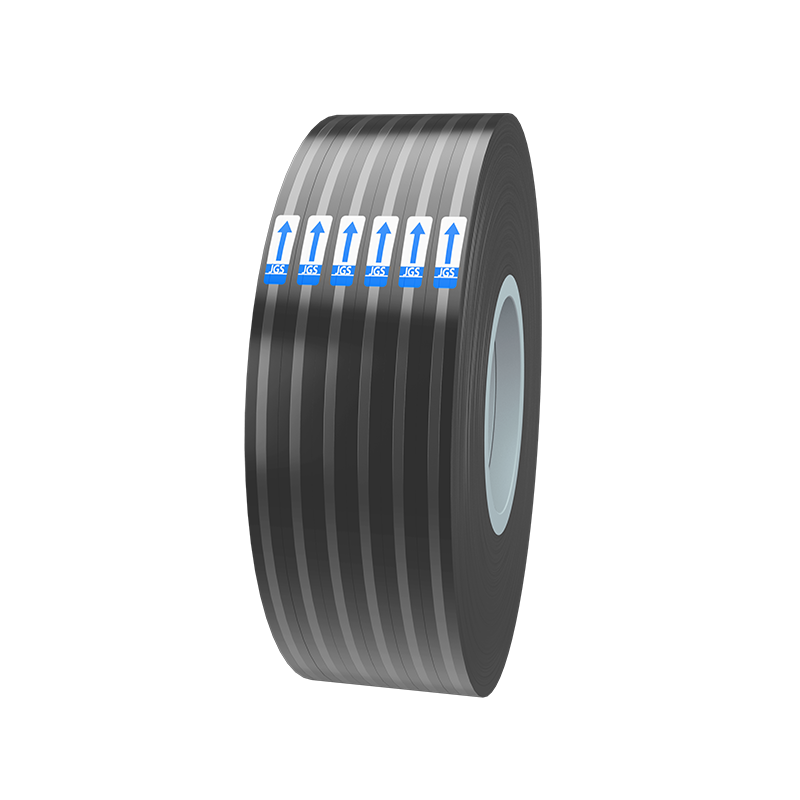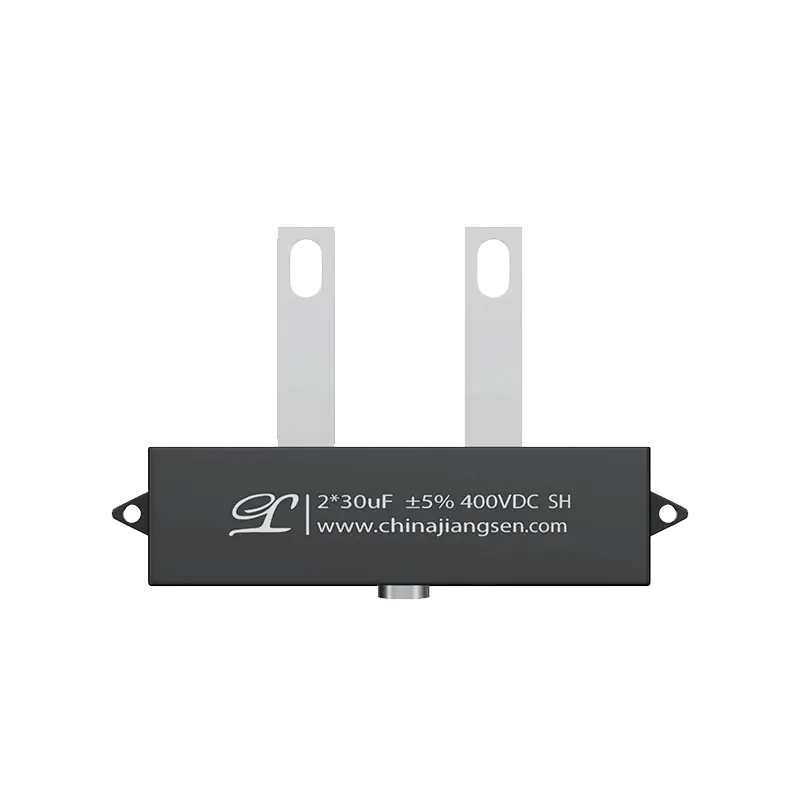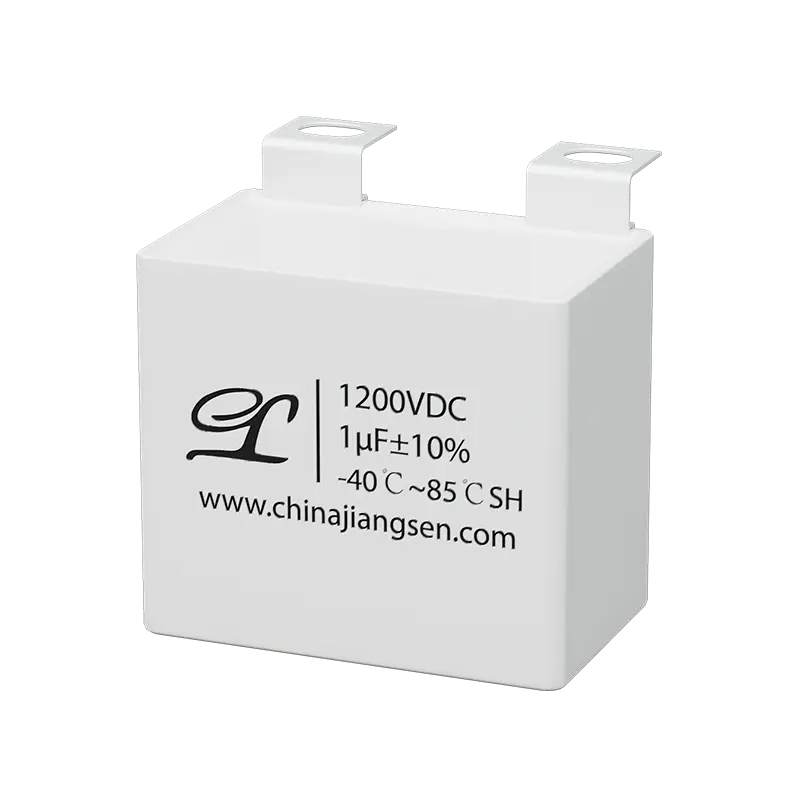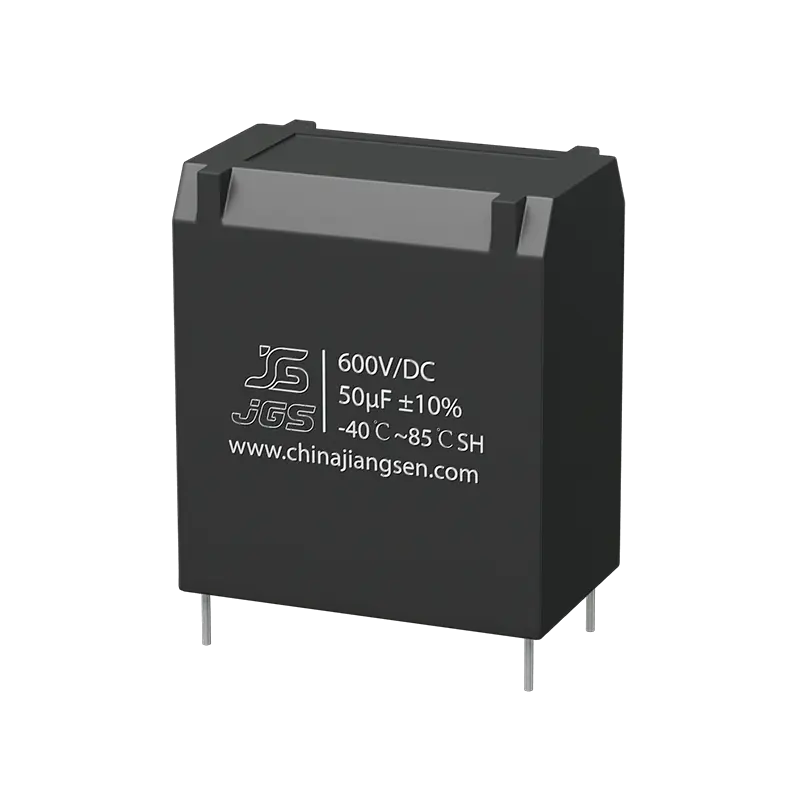
MPP film, or Metallized Polypropylene Film, is the foundational material that enables the production of high-performance, self-healing capacitors. By combining the excellent electrical properties of polypropylene with a microscopic metal layer, this material provides superior dielectric strength, low dissipation factors, and crucial safety mechanisms. It is the invisible engine behind modern electronics, ensuring energy efficiency and reliability in everything from consumer electronics to industrial power grids. Without its unique self-healing properties, modern compact and safe electronic devices would simply not be possible.
To appreciate the utility of MPP film, one must first understand its dual-layer architecture. The base layer is BOPP (Biaxially Oriented Polypropylene), which undergoes a stretching process in two directions to enhance its mechanical strength and electrical clarity. This base film acts as the dielectric medium, isolating electrical charges. The second layer is an ultra-thin metallized coating, typically aluminum or zinc, applied through a vacuum deposition process. This metal layer is incredibly thin—often measured in nanometers—allowing it to conduct electricity while maintaining the overall flexibility and lightweight nature of the film. This combination yields a material that is both an excellent insulator and a highly efficient conductor on separate axes.
The most defining characteristic of MPP film is its self-healing capability. In any capacitor, voltage spikes or localized defects can cause dielectric breakdowns, which traditionally result in permanent short circuits and catastrophic failure. However, the metallized layer on MPP film is designed with intentional vulnerability. When a dielectric breakdown occurs, the intense localized heat generated by the short circuit instantly vaporizes the thin metal layer around the fault point. This vaporization clears the short circuit, isolating the defective area and restoring the capacitor's electrical function. This mechanism ensures long-term operational stability and drastically reduces the risk of fire or equipment damage.
The widespread adoption of MPP film is driven by its impressive electrical characteristics. It is not merely a structural component but an active participant in energy management. The material is specifically engineered to handle high-stress electrical environments where other dielectrics might degrade rapidly.
Polypropylene inherently possesses a high dielectric strength, meaning it can withstand significant voltage differentials before breaking down. This allows manufacturers to produce extremely thin films that still provide robust insulation, leading to capacitors with high energy density in small footprints.
Another critical property is its low dissipation factor, or dielectric loss. When alternating current passes through a capacitor, some energy is inevitably lost as heat. MPP film minimizes this loss, ensuring that the capacitor runs cooler and more efficiently. This low loss characteristic makes it particularly suitable for high-frequency applications where heat buildup can rapidly degrade performance.
The unique properties of MPP film have secured its place across a wide spectrum of industries. It is most prominently found in film capacitors, but its utility extends into various specialized sectors.
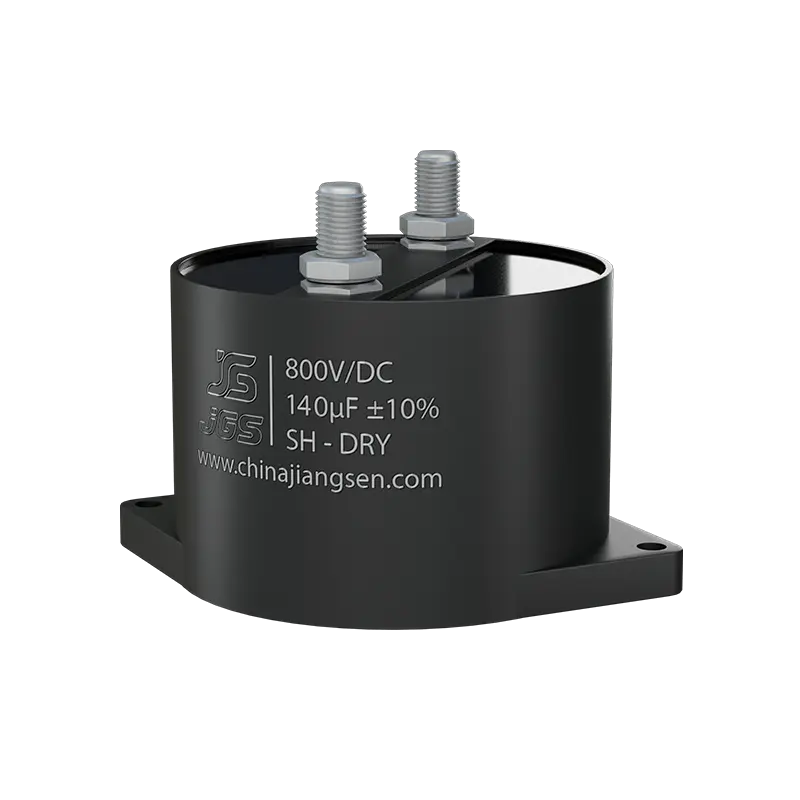
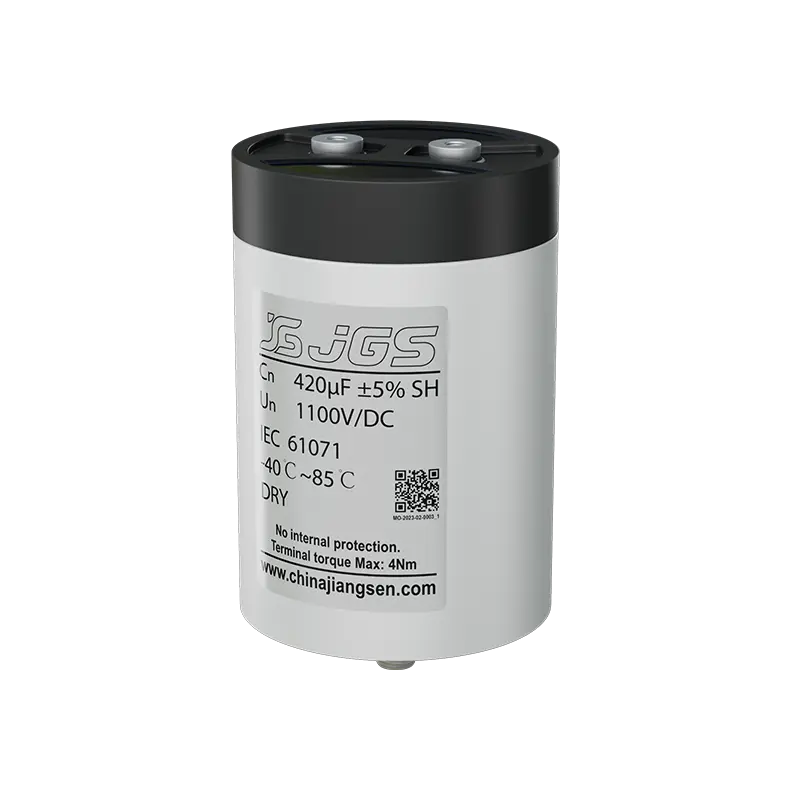
The vast majority of MPP film produced globally is consumed by the capacitor industry. These capacitors are utilized in AC motor run applications, power factor correction, and high-frequency resonant circuits. The reliability provided by the self-healing mechanism makes these capacitors ideal for continuous-duty applications where maintenance is difficult or impossible.
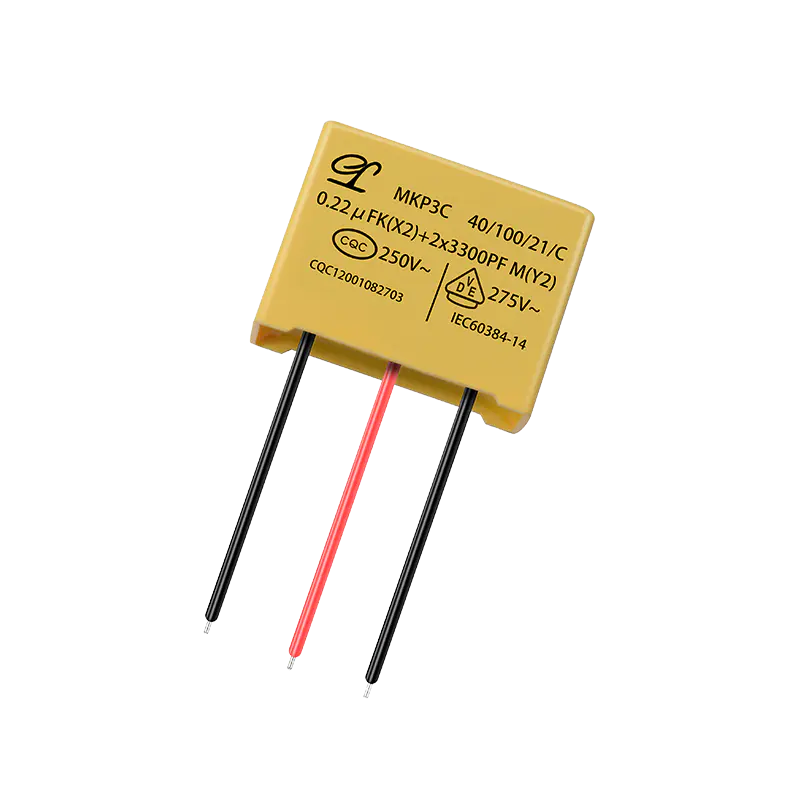
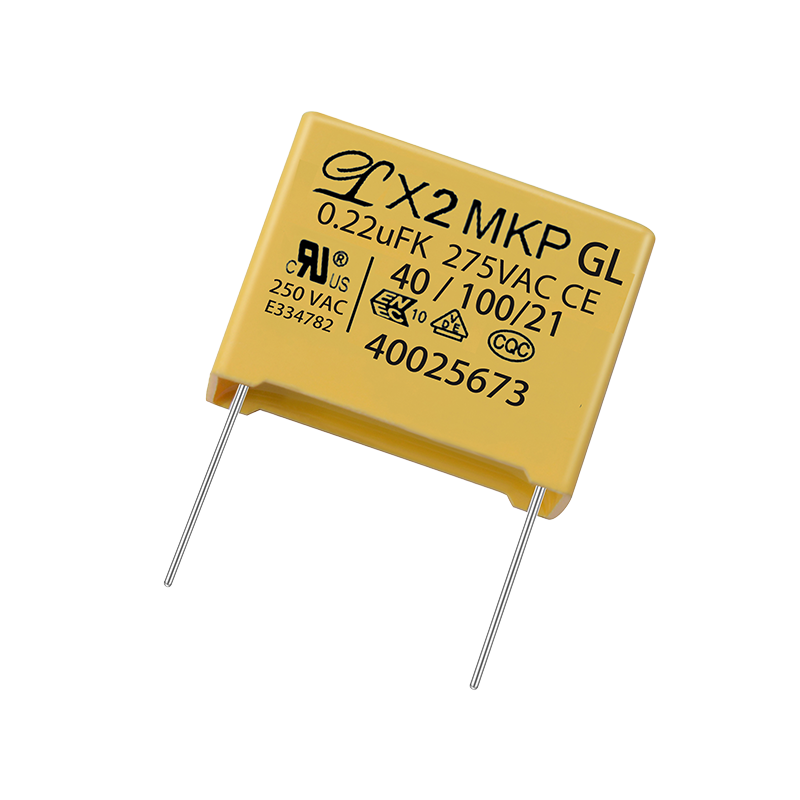
In modern electronic devices, electromagnetic interference (EMI) can cause malfunctions. MPP film capacitors are frequently used in EMI filters to suppress unwanted electrical noise, ensuring that devices meet strict international regulatory standards for electromagnetic compatibility.
Industrial electrical systems often operate with a lagging power factor due to inductive loads like motors and transformers. MPP film capacitors are the standard component in power factor correction equipment, helping facilities reduce reactive power consumption, lower electricity bills, and prevent penalties from utility providers.
To fully understand the strategic advantage of MPP film, it helps to compare it against other common dielectric materials used in capacitor manufacturing. Each material has its niche, but MPP film offers the best balance of performance and safety for alternating current applications.
| Property | MPP Film | Polyester Film | Impregnated Paper |
|---|---|---|---|
| Self-Healing | Yes | Yes (Metallized) | No |
| Dielectric Loss | Very Low | Moderate | High |
| Moisture Resistance | Excellent | Good | Poor |
| Temperature Stability | Good | Excellent | Fair |
| Cost Efficiency | High | Moderate | Low |
From a manufacturing and economic perspective, MPP film presents several distinct benefits that have solidified its dominance in the electronics industry.
Despite its many advantages, MPP film is not a universal solution. Engineers must account for certain limitations when designing circuits. The polypropylene base has a relatively low melting point compared to materials like polyester or polyimide. Consequently, MPP film capacitors are generally rated for lower maximum operating temperatures. Prolonged exposure to high heat can cause the film to shrink or deform, altering the capacitance and potentially leading to failure. Furthermore, while the self-healing mechanism is effective for isolated breakdowns, continuous voltage overstress will eventually deplete the metallized layer, causing a gradual decline in capacitance. Therefore, proper voltage derating is essential in design.
The demand for MPP film is evolving alongside global technological shifts. As renewable energy infrastructure expands, the need for reliable power factor correction and inverter capacitors is surging. Electric vehicles also represent a significant growth area, requiring capacitors that can withstand high ripple currents and harsh thermal cycles. To meet these demands, ongoing research focuses on enhancing the thermal stability of the base polypropylene and developing alloy metallization layers that offer even greater self-healing efficiency. The future of MPP film lies in specialized formulations that push the boundaries of energy density and thermal endurance.
The performance of MPP film is heavily influenced by how it is handled before and during the manufacturing process. Improper handling can introduce defects that compromise the dielectric strength and self-healing capabilities of the final capacitor.

© 2010-2024 www.chinajiangsen.com All rights reserved.
Privacy Policy
增值电信业务经营许可证 苏ICP备12026789号-1



 Español
 简体中文
简体中文