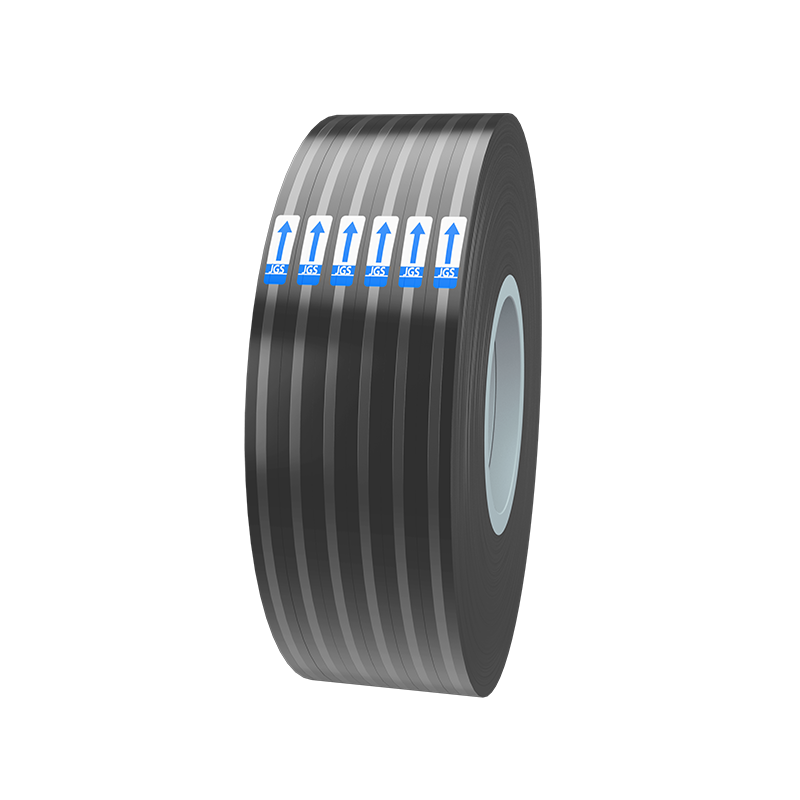
MPET film, short for Metallized Polyethylene Terephthalate Film, is a high-performance functional film formed by depositing a thin metal layer on the surface of biaxially oriented PET film through vacuum metallization technology. It is one of the most widely used metallized polymer films in the global market, integrating the excellent mechanical properties of PET film and the barrier, reflective and conductive properties of metal layers. Compared with traditional plastic films and aluminum foil composite materials, MPET film has obvious advantages in lightweight, cost-effectiveness and processing adaptability, and has become an irreplaceable key material in packaging, electronic appliances, construction insulation and industrial manufacturing.
The core value of MPET film lies in its comprehensive performance improvement: it can enhance the oxygen and water vapor barrier performance of the substrate by more than dozens of times, maintain high tensile strength and folding resistance at the same time, and can work stably in a wide temperature range. It can meet the strict use requirements of various extreme scenarios, and its production process is environmentally friendly and efficient, which conforms to the development trend of low-carbon and lightweight in modern industries.
The production of MPET film is based on high-quality biaxially oriented PET film as the base material, and the key link is vacuum metallization. The whole process is carried out in a closed high-vacuum environment, which avoids oxidation and pollution of metal materials and ensures the uniformity and stability of the metal coating.
First, the PET base film needs to undergo surface treatment to improve the adhesion between the metal layer and the substrate, preventing the coating from falling off during processing and use. Common surface treatment methods include corona treatment and plasma treatment, which can effectively increase the surface activity of the film. Then, metal raw materials (usually high-purity aluminum) are heated and evaporated in a vacuum chamber to form metal vapor, which is evenly deposited on the surface of the PET film moving at a constant speed, and finally cooled and cured to form a dense metal coating.
The performance of MPET film is directly determined by the control of technical parameters in the production process. The thickness of the metal coating is the core parameter, which is usually controlled within a tiny range. Too thin a coating will lead to insufficient barrier and reflective effects, while too thick a coating will reduce the flexibility of the film and increase the risk of cracking and falling off.
In addition, the vacuum degree of the equipment, the winding speed of the film, and the evaporation rate of metal are all key factors that need precise control. Advanced production lines adopt automatic closed-loop control systems, which can realize real-time monitoring and adjustment of parameters, ensuring that each roll of MPET film has consistent performance. Professional manufacturers will also conduct strict quality testing on finished products, including coating adhesion test, barrier performance test, mechanical performance test, etc., to ensure that the products meet industrial application standards.
Barrier performance is the most prominent advantage of MPET film. The dense metal coating can effectively block the penetration of oxygen, water vapor, ultraviolet rays and various gases, which is far better than ordinary PET film and transparent plastic film. This property makes MPET film can effectively protect the contents from moisture, oxidation and light deterioration, greatly extending the shelf life of products.
Compared with aluminum foil composite materials, MPET film has similar barrier effect under the condition of lighter weight, and has better flexibility and folding resistance, not easy to produce pinholes and cracks due to bending, which ensures the long-term effectiveness of the barrier function.
Retaining the excellent mechanical properties of biaxially oriented PET film, MPET film has high tensile strength, tear resistance and impact resistance. It can withstand large tension and external impact during high-speed processing and use, and is not easy to break or deform. At the same time, it has good flexibility and ductility, can adapt to various complex molding processes such as deep drawing and folding, and has strong adaptability to processing equipment.
MPET film has excellent temperature resistance, can maintain stable performance in a wide temperature range, and is suitable for high-temperature processing and low-temperature storage scenarios. In terms of optical properties, it has high metal luster and reflectivity, can reflect most of the light and heat, and has good decorative and thermal insulation effects. According to different process adjustments, it can present different gloss and reflectivity levels to meet the needs of different application scenarios.
MPET film has good chemical resistance, can resist the corrosion of most organic solvents, weak acids and weak bases, and is not easy to dissolve, swell or deteriorate. This property makes it suitable for packaging some chemical products and daily necessities, and can also be used in industrial environments with certain chemical corrosion, expanding its application scope.
| Performance Item | MPET Film | Ordinary PET Film |
|---|---|---|
| Oxygen Barrier | Excellent | General |
| Light Barrier | Excellent | Poor |
| Thermal Insulation | Excellent | General |
| Decorative Property | Excellent | General |
Food and pharmaceutical packaging is the largest application field of MPET film, accounting for a high proportion of the market demand. Relying on its excellent oxygen and water vapor barrier properties, MPET film can effectively prevent food oxidation, mildew and deterioration, and maintain the freshness, taste and nutritional content of food. It is widely used in the packaging of snack foods, dried fruits, coffee, tea, meat products and other products.
In the pharmaceutical industry, MPET film meets the strict requirements of pharmaceutical packaging for materials. It can block light and moisture, protect drugs from failure, and has non-toxic and odorless properties, complying with food and drug safety standards. It is often used in the packaging of tablets, capsules, medical supplies and other products, and can also be processed into blister packaging materials to improve the safety and convenience of drug use.
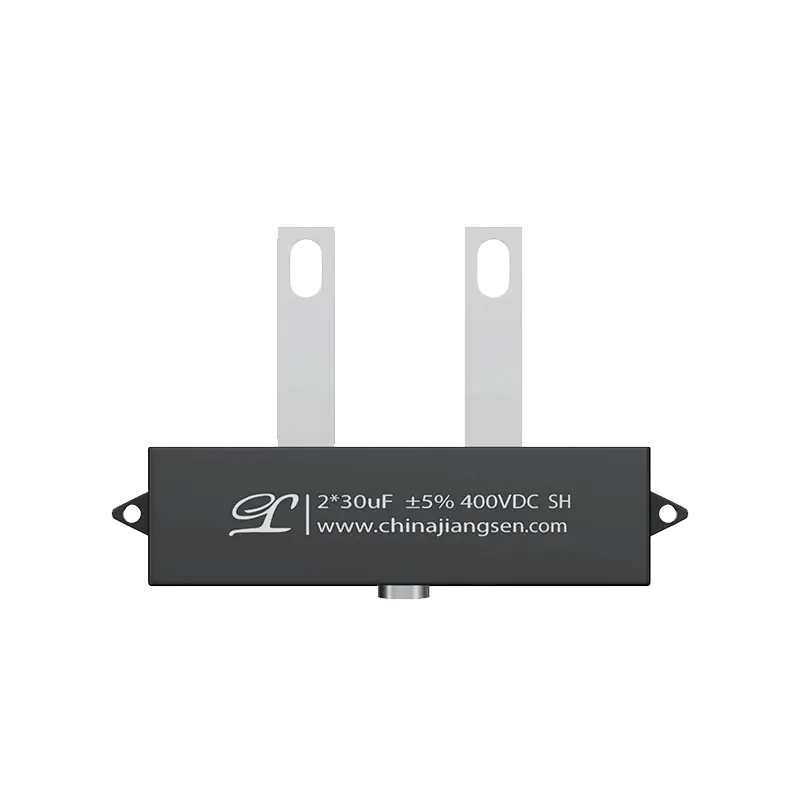
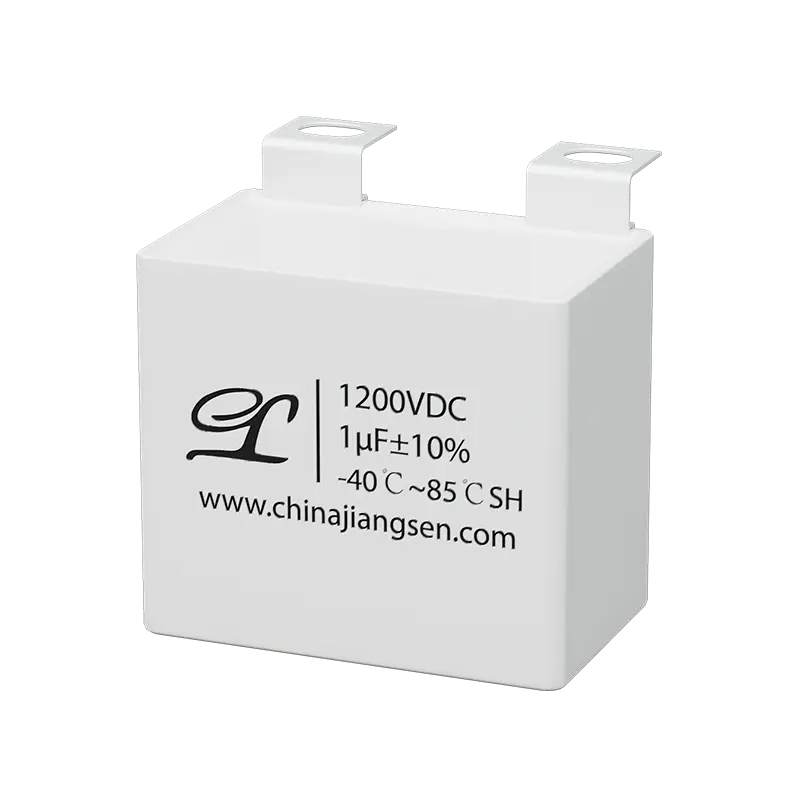
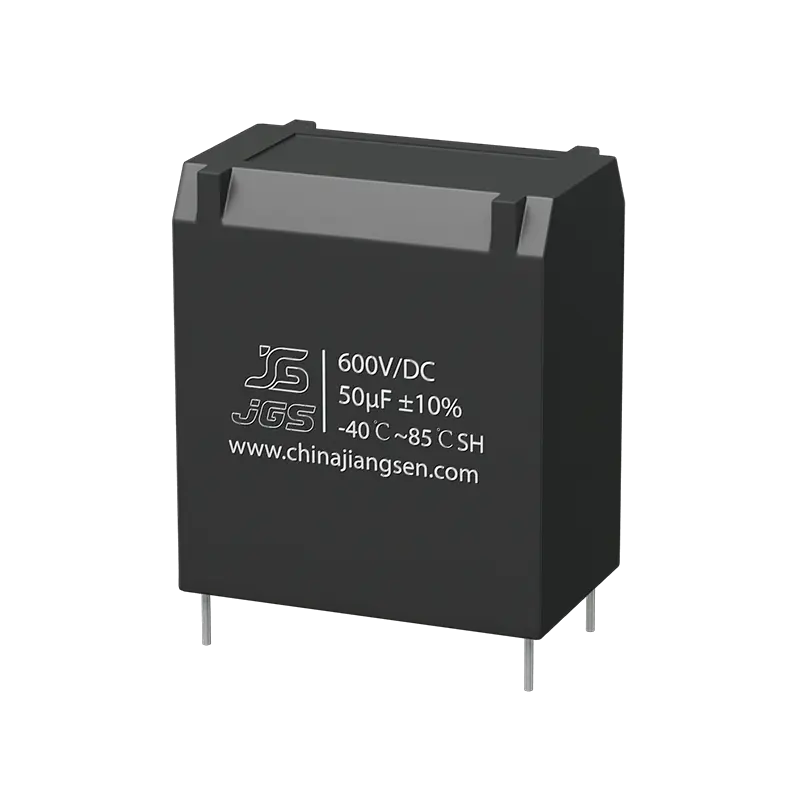
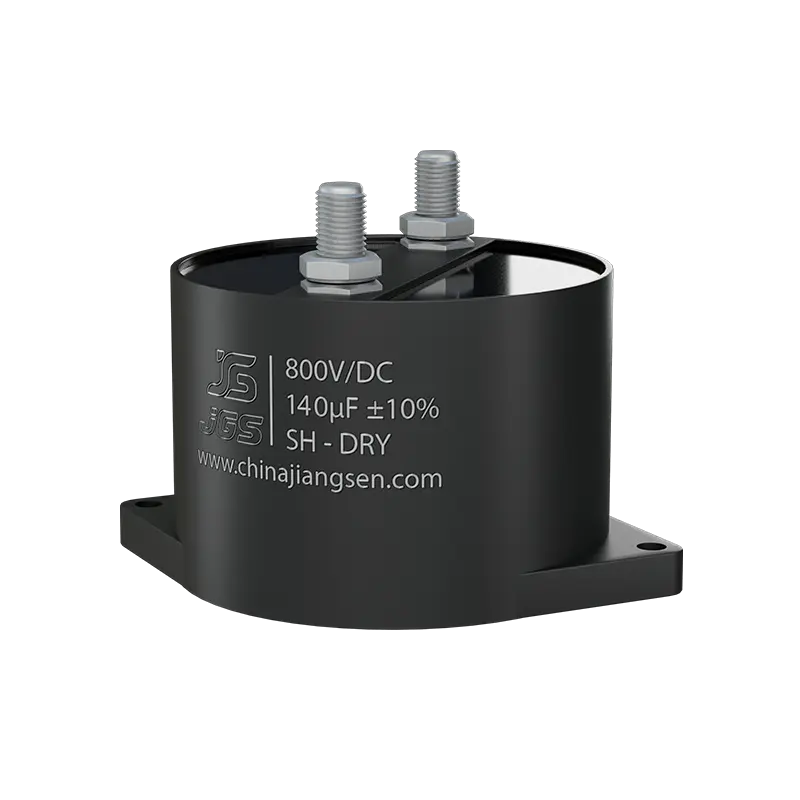
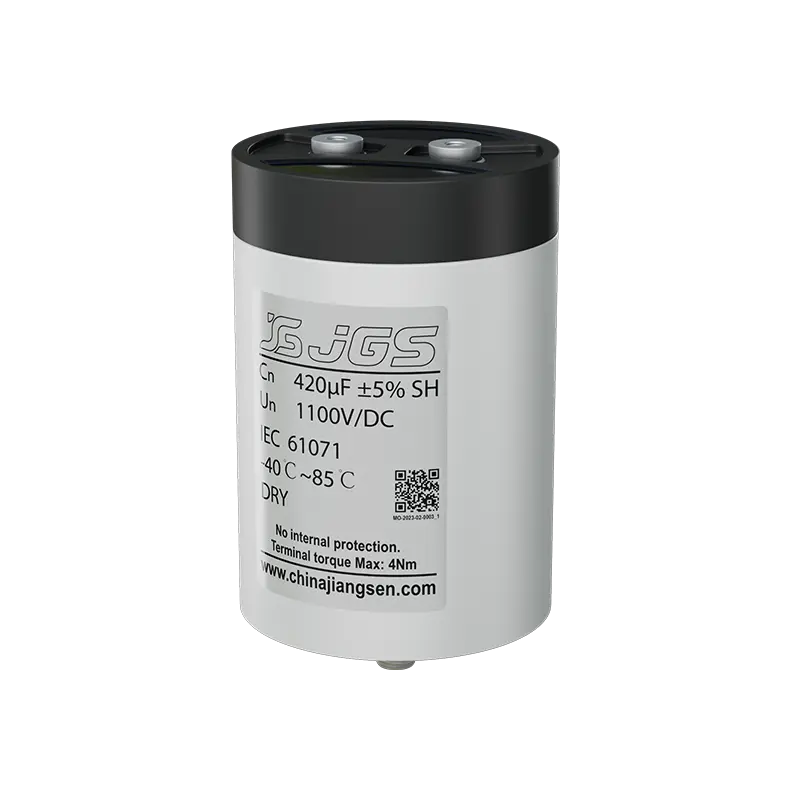
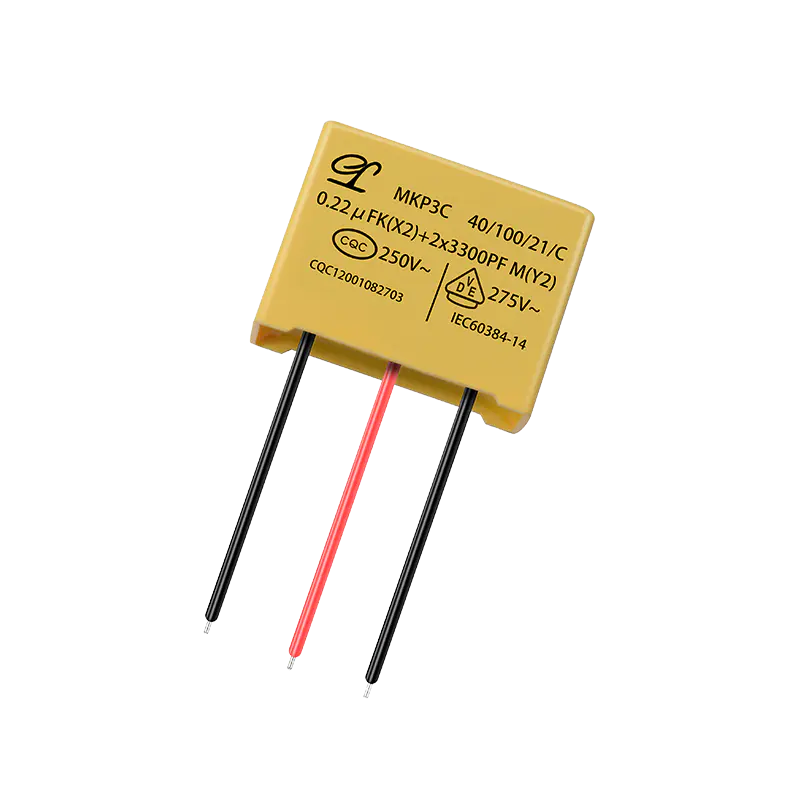
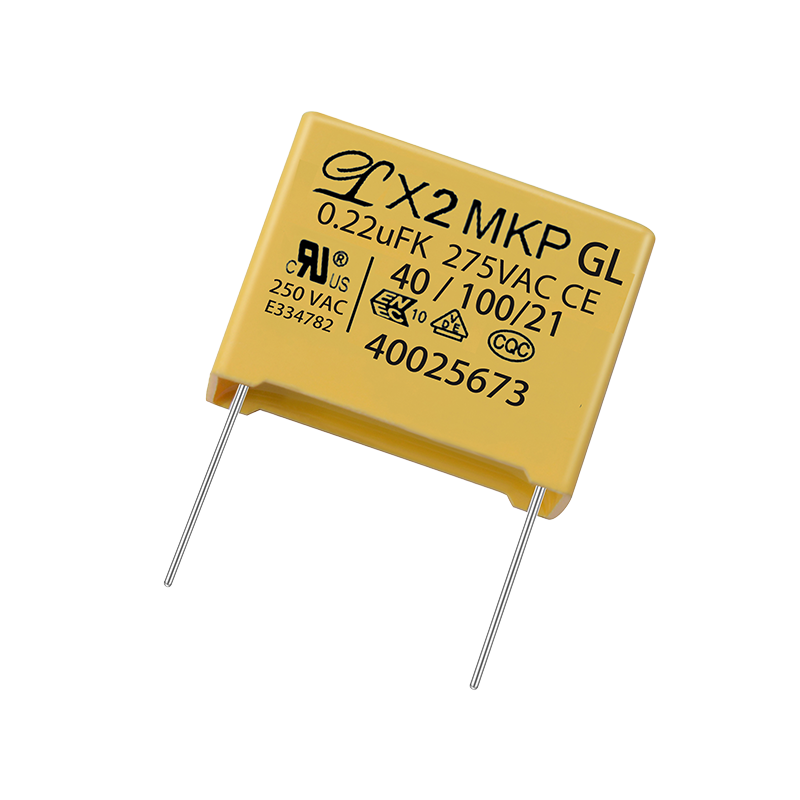
MPET film has important applications in the electronic and electrical industry, mainly used as insulation materials, reflective films and shielding materials. It has good electrical insulation properties and thermal stability, and can be used as insulation layers for motors, capacitors, cables and electrical components to prevent short circuits and electric leakage, ensuring the safe operation of electrical equipment.
In the field of lighting and display, MPET film's high reflectivity makes it an ideal reflective material, which can improve the light efficiency and brightness uniformity of LED lights, backlight modules and other products. In addition, it has a certain electromagnetic shielding effect, which can reduce electromagnetic interference and protect the normal operation of precision electronic components.
In the construction industry, MPET film is mainly used for thermal insulation and moisture-proof materials. It can reflect most of the solar radiation heat, reduce the heat conduction of buildings, and play a role in heat insulation and energy saving. It is widely used in building roofs, walls, floors and other parts of the thermal insulation layer, effectively reducing the energy consumption of air conditioning and heating.
At the same time, its excellent moisture-proof performance can prevent moisture penetration, protect building insulation materials and structural parts from moisture damage, and extend the service life of buildings. It is also used in cold storage, constant temperature warehouse and other special buildings, and has excellent thermal insulation and moisture-proof effects.
MPET film has a wide range of applications in industrial manufacturing, such as adhesive tape base materials, transfer films, protective films, etc. Its high mechanical strength and good processability make it suitable for various industrial processing scenarios. In addition, it is also used in decorative materials, gift packaging, agricultural films and other fields, and its metal luster enhances the decorative effect of products, meeting the diversified needs of the market.
MPET film has good adaptability to various plastic processing technologies, and can be processed by printing, lamination, slitting, cutting, heat sealing and other processes. It can adapt to high-speed processing equipment, improve production efficiency, and the processed products have good dimensional stability and no deformation. For enterprises, this means lower processing difficulty and higher production efficiency, reducing production costs.
Compared with aluminum foil and other metal materials, MPET film is lighter in weight, which can reduce the overall weight of products and packaging, save transportation costs and meet the lightweight development trend. At the same time, the vacuum metallization process consumes less metal materials, and the production cost is lower than that of aluminum foil composite materials, with higher cost performance, which is favored by a large number of enterprises.
The production process of MPET film is environmentally friendly, with no waste gas and waste water discharge in the vacuum metallization process, which conforms to environmental protection standards. At the same time, it can replace some thick metal materials, reduce the use of metal resources, and has the characteristics of resource conservation. With the global emphasis on environmental protection and sustainable development, the environmental protection advantage of MPET film will further expand its market space.
Manufacturers can adjust the performance of MPET film according to customer needs, such as changing the thickness of the metal coating to adjust the barrier and reflectivity, adding functional layers to achieve heat sealing, anti-oxidation and other properties, and customizing different widths and thicknesses. This customized service makes MPET film can meet the personalized needs of different industries and scenarios, and has stronger market competitiveness.
When selecting MPET film, the first thing to confirm is the use scenario and performance requirements. For scenarios requiring high barrier, high-barrier MPET film should be selected; for packaging requiring direct heat sealing, heat-sealable MPET film is more suitable; for electronic and electrical scenarios, priority should be given to insulation and temperature resistance. In addition, the thickness, width and surface gloss of the film should be selected according to processing equipment and product design to ensure the best use effect.
MPET film should be stored in a dry, cool and ventilated environment, avoiding direct sunlight, high temperature and humidity, so as not to cause oxidation of the metal layer and reduction of performance. During handling, it should be handled with care to avoid scratching and collision damage to the film surface. Before use, check the surface of the film for defects such as coating shedding and pinholes to ensure the quality of processed products.
During processing, the temperature, tension and speed should be controlled reasonably. Excessively high processing temperature may cause the film to shrink and the metal layer to oxidize; excessively high tension may lead to film deformation and breakage. It is recommended to test and adjust the processing parameters before mass production to find the optimal processing conditions and ensure the stability of product quality.
With the rapid development of global food packaging, electronic manufacturing, construction and other industries, the market demand for MPET film continues to grow steadily. The upgrading of consumer demand for food safety and drug efficacy has promoted the continuous expansion of the application of high-barrier MPET film in the packaging field; the lightweight and energy-saving trends of electronic and electrical products have also increased the demand for MPET film in the industry.
In terms of technological development, the production technology of MPET film is constantly innovating, and the vacuum metallization equipment is developing towards higher precision, automation and intelligence, which further improves the performance uniformity and production efficiency of the film. At the same time, functional research and development is the core direction of the industry, such as developing ultra-high barrier, high temperature resistance, biodegradable MPET film, to meet the more stringent application requirements and environmental protection trends.
In the future, MPET film will continue to maintain its advantages as a high-performance functional film, and its application fields will be further expanded. With the advancement of technology and the reduction of production costs, it will replace more traditional materials in more scenarios, and become one of the key basic materials supporting the development of modern industry, with broad market prospects and development potential.

© 2010-2024 www.chinajiangsen.com All rights reserved.
Privacy Policy
增值电信业务经营许可证 苏ICP备12026789号-1



 Español
 简体中文
简体中文