Dual-run capacitors are the vital heartbeat of heavy-duty alternating current motors, simultaneously powering both the compressor and the fan motor in HVAC systems. Without a properly functioning dual-run capacitor, an air conditioning unit cannot start or run efficiently, leading to system failure, increased energy consumption, and potential damage to the most expensive components in the system. They are space-saving, highly efficient components that serve a dual purpose by combining two capacitance values into a single physical casing.
When a dual-run capacitor fails, the entire cooling or heating system comes to a halt. Understanding their function, recognizing the early warning signs of failure, and knowing how to safely test and replace them is critical for maintaining mechanical longevity and electrical efficiency. This comprehensive guide explores the operational mechanics, failure diagnostics, and practical replacement procedures for dual-run capacitors, providing actionable knowledge for maintaining motor-dependent systems.
To appreciate the importance of a dual-run capacitor, one must first understand how alternating current motors operate. Unlike direct current motors, AC motors require a phase shift to create a rotating magnetic field that can initiate mechanical motion. A capacitor introduces a phase shift in the electrical current, providing the necessary torque to start the motor and the continuous electrical push to keep it running smoothly under load.
A dual-run capacitor is essentially two separate run capacitors housed within a single cylindrical casing. It features three terminals instead of the standard two found on single capacitors. The common terminal serves as the shared connection point, while the other two terminals provide distinct capacitance values for two different motors. The larger capacitance value is dedicated to the compressor, which requires a massive amount of starting and running torque. The smaller capacitance value is dedicated to the outdoor fan motor, which requires significantly less torque to maintain its rotational speed.
By combining these into a single unit, manufacturers save valuable space within the electrical control board, reduce wiring complexity, and lower overall manufacturing costs. Run capacitors are designed to stay in the circuit continuously while the motor is running, constantly storing and discharging electrical energy to maintain the optimal phase shift, unlike start capacitors which drop out of the circuit once the motor achieves speed.
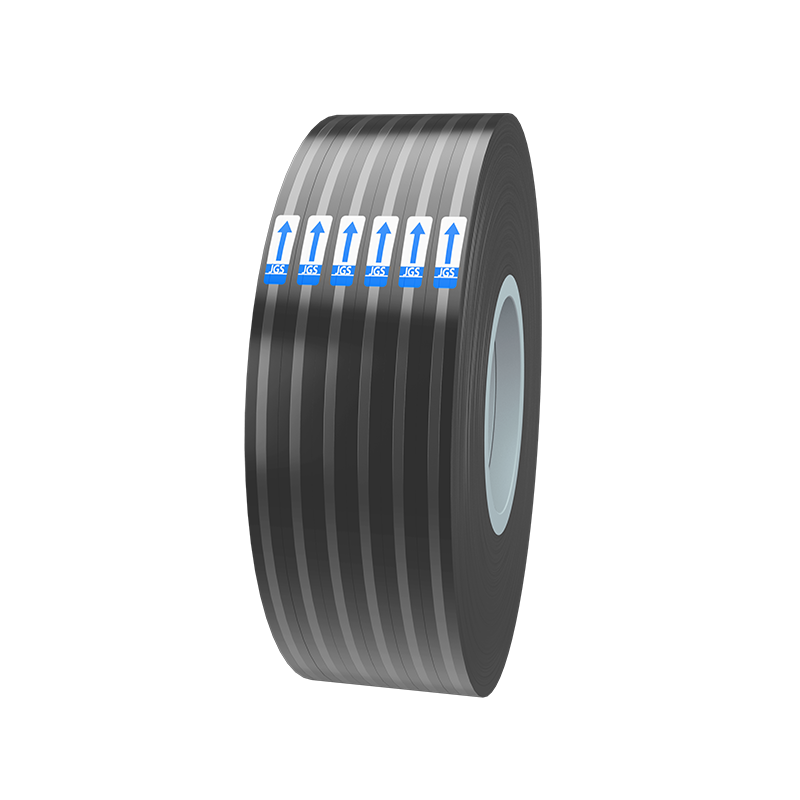
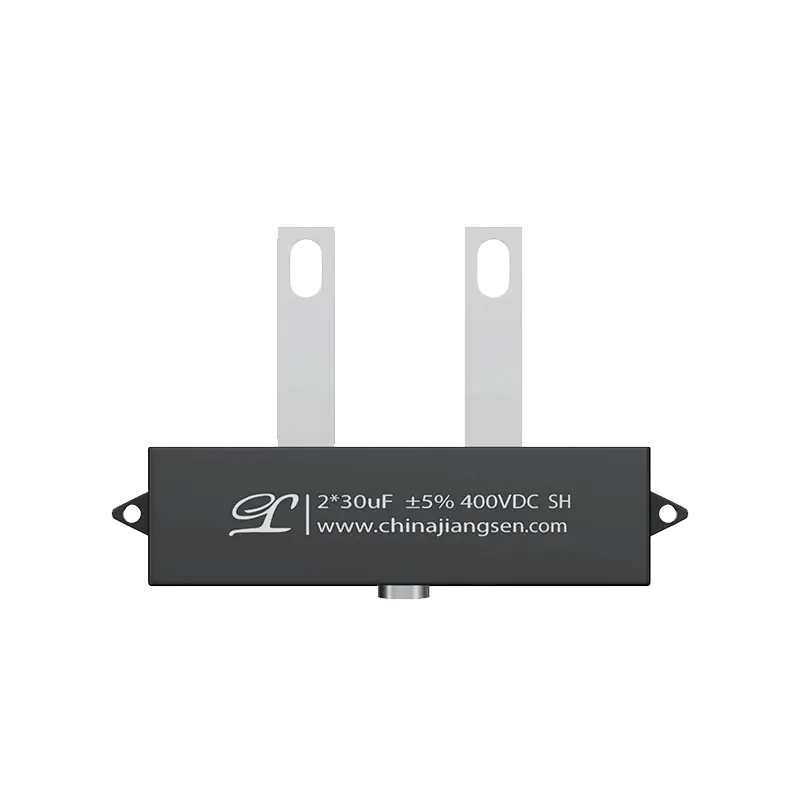
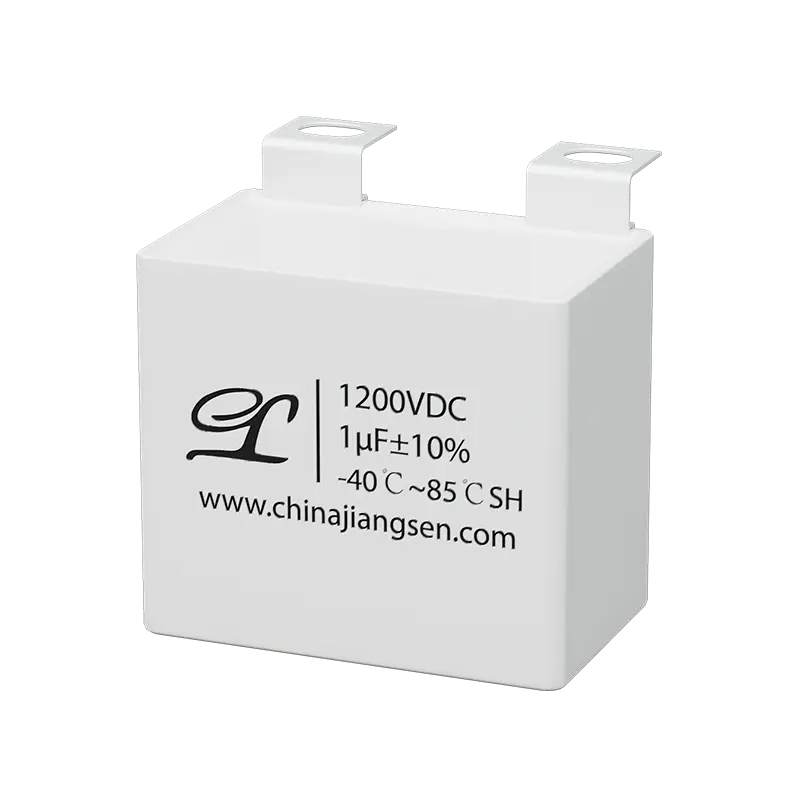
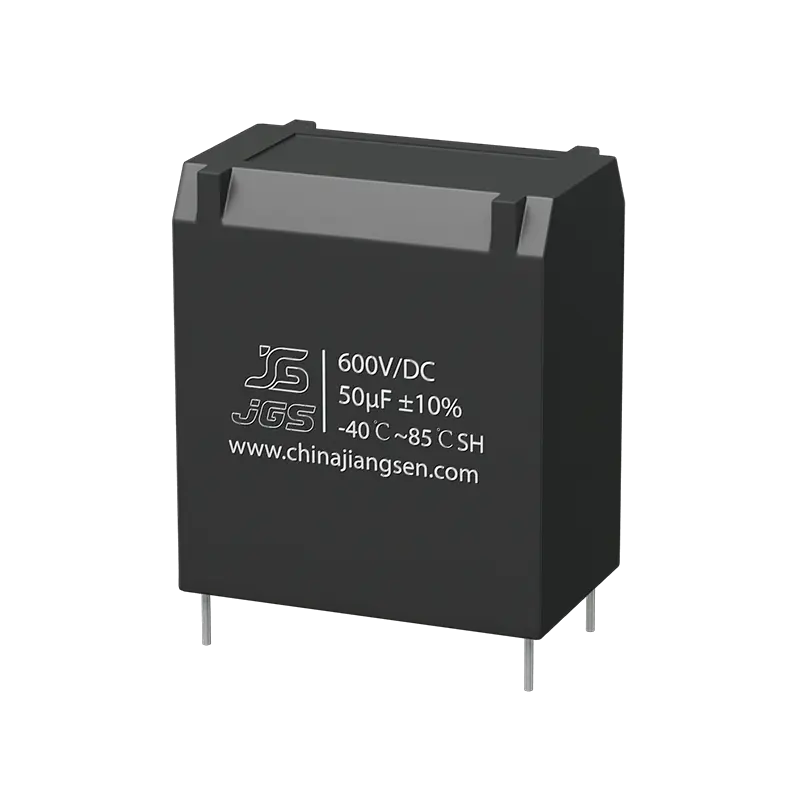
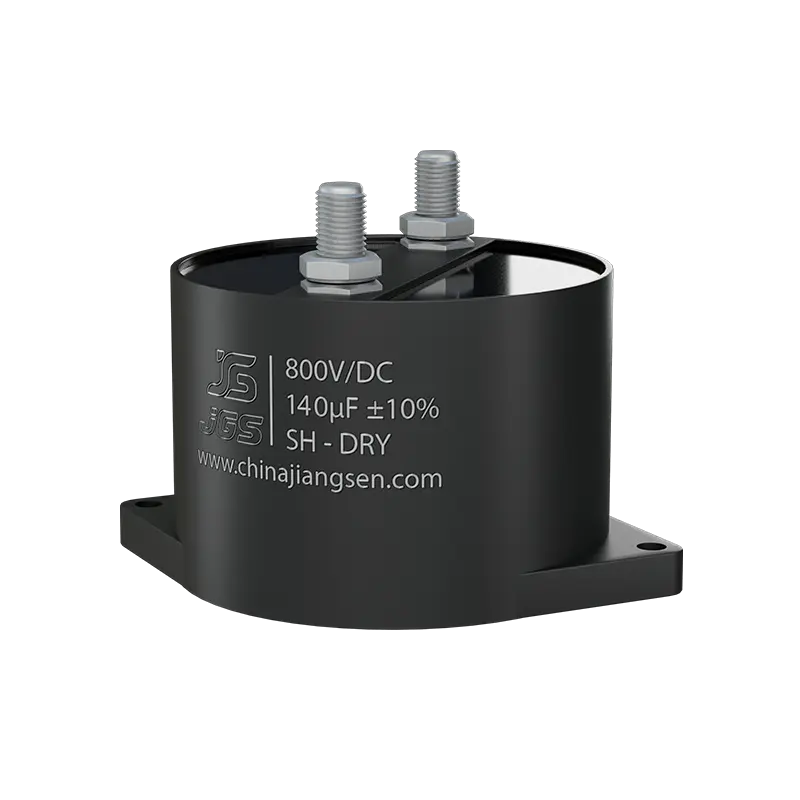
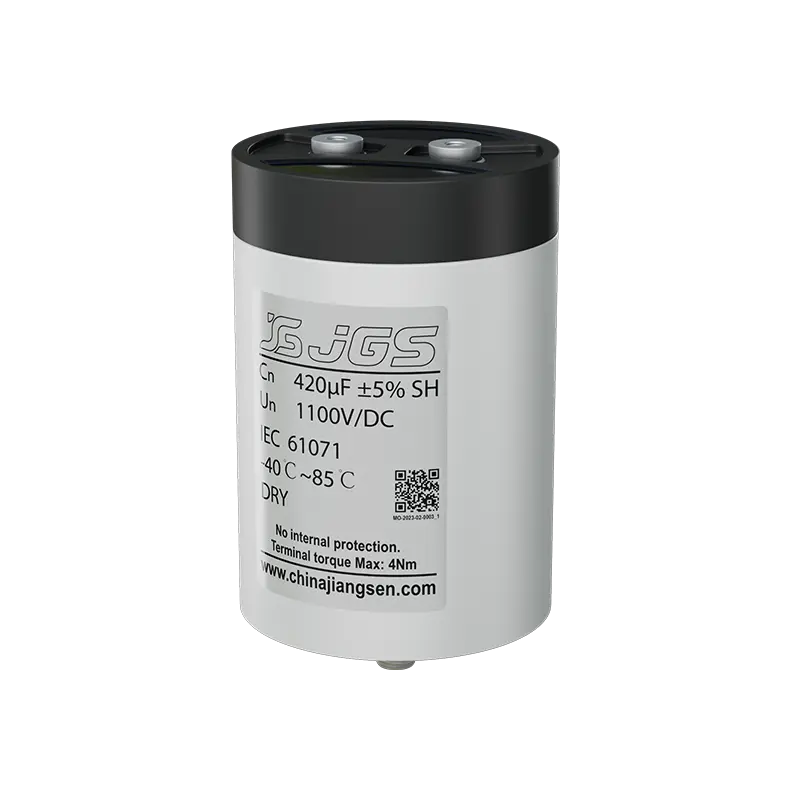
Physically, a dual-run capacitor consists of two conductive plates separated by a dielectric material, usually a metallized polypropylene film. This film is rolled tightly and inserted into an aluminum or plastic casing, which is then filled with an insulating material to prevent moisture ingress and internal arcing. The top of the unit features a deck with three quick-connect terminals.
Correct identification of these terminals is absolutely critical during installation. Cross-wiring a dual-run capacitor can result in immediate motor failure, severe overheating, and permanent electrical damage to the system's control board.
Dual-run capacitors do not last indefinitely. They are under constant electrical stress and are subjected to extreme temperature fluctuations within the outdoor unit. Over time, the dielectric film degrades, leading to a loss of capacitance. When a capacitor weakens or fails, the system exhibits very specific, observable symptoms that should prompt immediate investigation.
Before performing any electrical testing, a visual inspection can often confirm a failed capacitor. The top deck of the capacitor is designed with a pressure relief vent. When internal temperatures and pressures rise due to dielectric breakdown, the top will swell or bulge outward. A bulging or domed capacitor top is an absolute indicator of failure, and the component must be replaced immediately. Additionally, oily residue on the casing indicates that the internal insulating fluid has leaked out, leaving the dielectric dry and functionally useless.
Testing a dual-run capacitor requires basic electrical tools, specifically a digital multimeter capable of measuring microfarads. Safety is paramount; capacitors store electrical energy and can deliver a severe shock even after power is disconnected. Always disconnect the power supply and confirm the absence of voltage before handling any components.
Follow these steps to accurately diagnose the health of a dual-run capacitor:
A healthy dual-run capacitor will read within a strict tolerance of its rated capacity. Generally, any reading that falls outside the stated tolerance range indicates a degraded unit that must be replaced. If the reading is significantly lower than the rating, the capacitor has lost its ability to store and release electrical energy efficiently.
Understanding the printed ratings on a dual-run capacitor is essential for proper replacement. The label contains specific voltage and microfarad ratings that dictate the operational limits of the component. Substituting a capacitor with incorrect ratings can severely damage the motors.
| Parameter | Description | Replacement Rule |
|---|---|---|
| Microfarads (Compressor) | The higher capacitance value for the hermetic motor | Must match exactly, within tolerance |
| Microfarads (Fan) | The lower capacitance value for the fan motor | Must match exactly, within tolerance |
| Voltage Rating | The maximum continuous voltage the capacitor can handle | Can be higher, never lower than original |
| Frequency | Operational electrical frequency | Must match the local power grid standard |
The microfarad rating dictates the amount of phase shift the capacitor will provide. If you install a capacitor with a lower microfarad rating, the motor will lack starting torque and run hot. If you install one with a higher rating, the motor will experience excessive current in the start winding, leading to rapid insulation breakdown and premature motor burnout. The voltage rating indicates the maximum electrical pressure the capacitor can withstand; while you can safely replace a lower-rated voltage capacitor with a higher-rated one of the same microfarads, never install a capacitor with a lower voltage rating than the original specification.
Replacing a dual-run capacitor is a straightforward process, but it demands strict adherence to safety protocols and wiring accuracy. An incorrectly wired capacitor will guarantee immediate system failure. Before removing the old capacitor, it is highly recommended to take a clear photograph of the wiring configuration. This simple step prevents costly wiring mistakes during reinstallation.
Ensure the replacement capacitor has the exact same microfarad ratings for both the Herm and Fan sides, and a voltage rating equal to or greater than the original unit. Mount the new capacitor securely in the designated bracket, ensuring it is elevated to prevent the accumulation of water or debris at the base.
Once the wiring is verified against the photograph, restore power to the system and observe the startup sequence. The compressor and fan should start promptly without hesitation or prolonged humming. Measure the amperage draw of both motors to confirm they are operating within their rated specifications, indicating that the new capacitor is providing the correct phase shift.
Capacitor degradation is accelerated by environmental factors and electrical stress. Extreme heat is the primary enemy of a run capacitor. When the dielectric material inside the capacitor overheats, its chemical structure breaks down, reducing its ability to hold a charge. Implementing preventive measures can significantly extend the operational lifespan of the component and prevent unexpected system outages during peak usage periods.
Ensure the outdoor unit is free from debris, vegetation, and direct exposure to relentless afternoon sun if possible. Proper airflow across the condenser coil keeps the internal temperature of the electrical compartment manageable. Furthermore, ensuring that the system is not short-cycling—turning on and off too frequently—will reduce the thermal stress placed on the capacitor, as the initial inrush of current during startup generates the most heat.
Instead of waiting for a complete failure, capacitors should be tested proactively during routine seasonal maintenance. Capacitors that have lost a significant percentage of their rated microfarads but have not yet failed completely will cause motors to run hot and consume excess electricity. Replacing a weakened capacitor before it fails entirely prevents undue stress on the compressor and fan motors, saving substantial energy costs and preventing secondary mechanical damage. By incorporating microfarad testing into standard maintenance protocols, one can ensure continuous, efficient operation and avoid the sudden discomfort and expense of an unexpected system breakdown.

© 2010-2024 www.chinajiangsen.com All rights reserved.
Privacy Policy
增值电信业务经营许可证 苏ICP备12026789号-1



 Español
 简体中文
简体中文