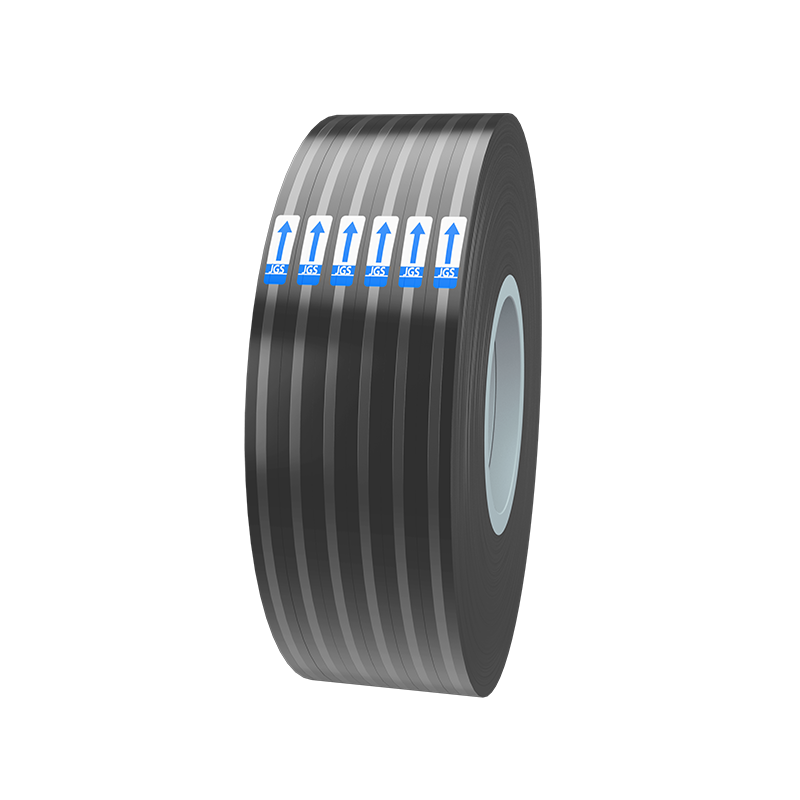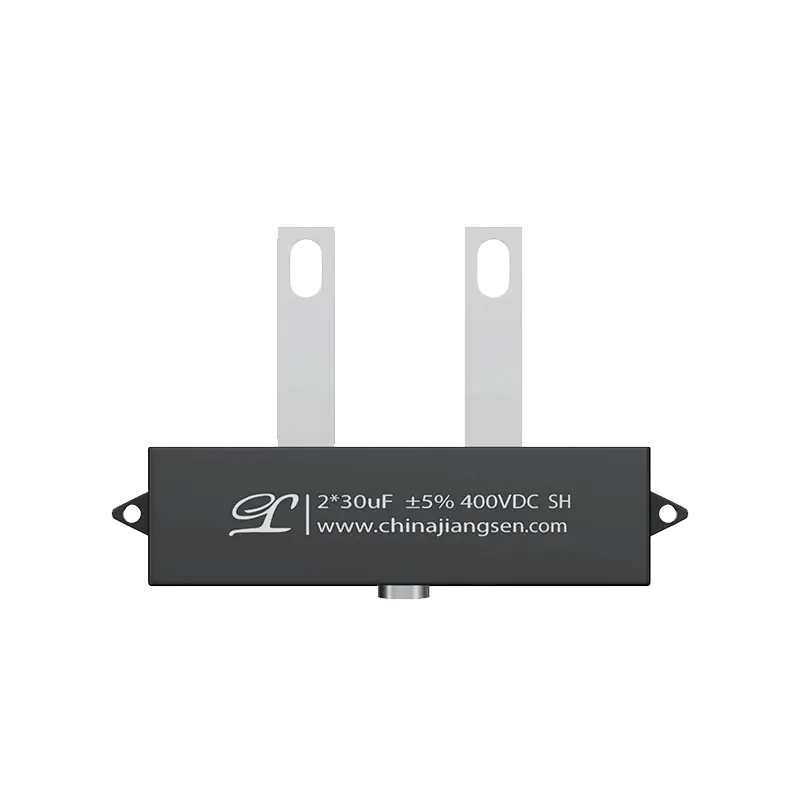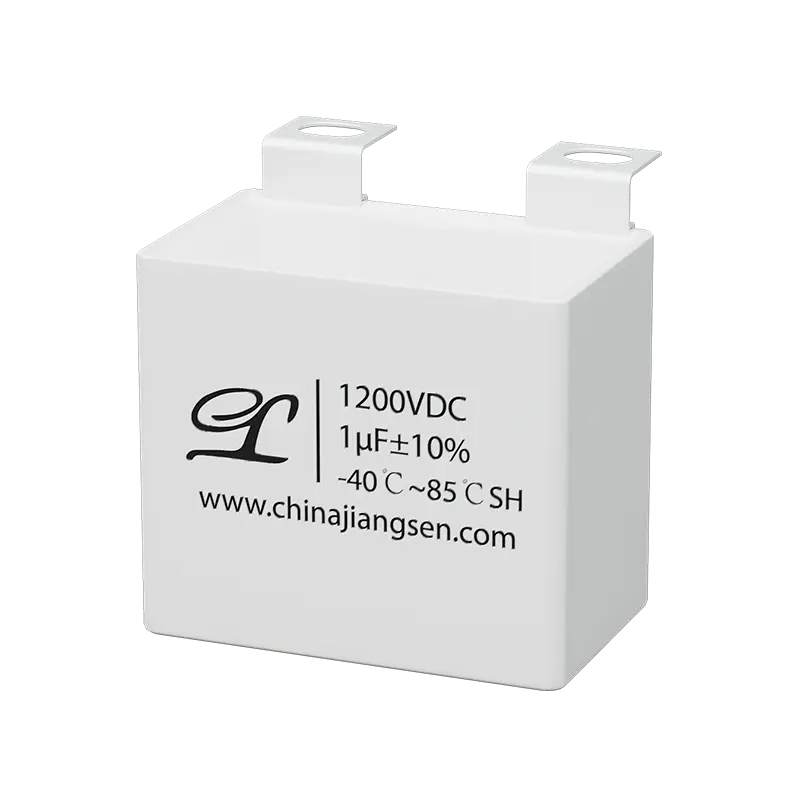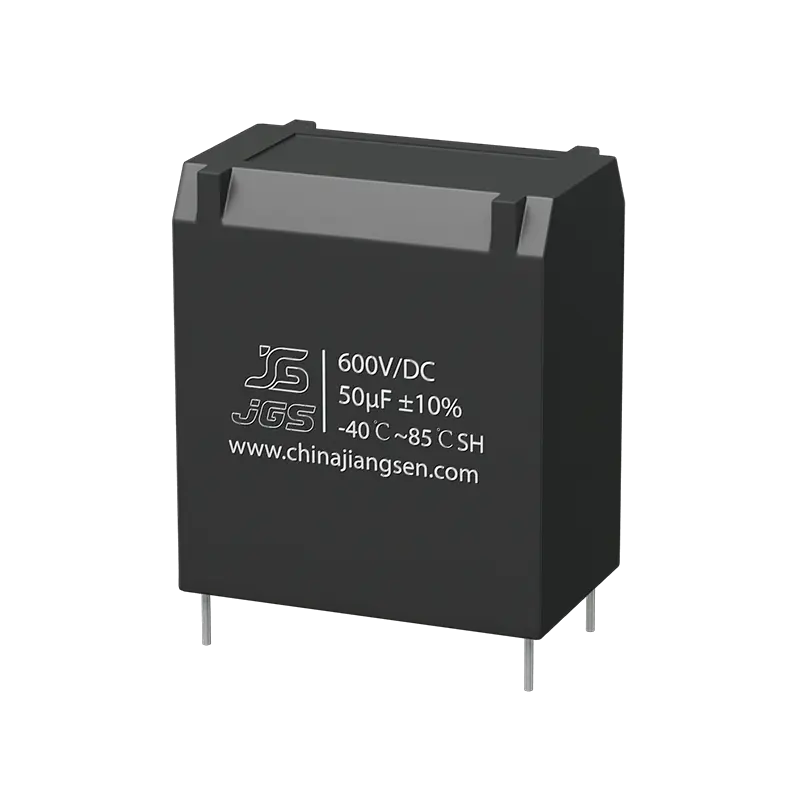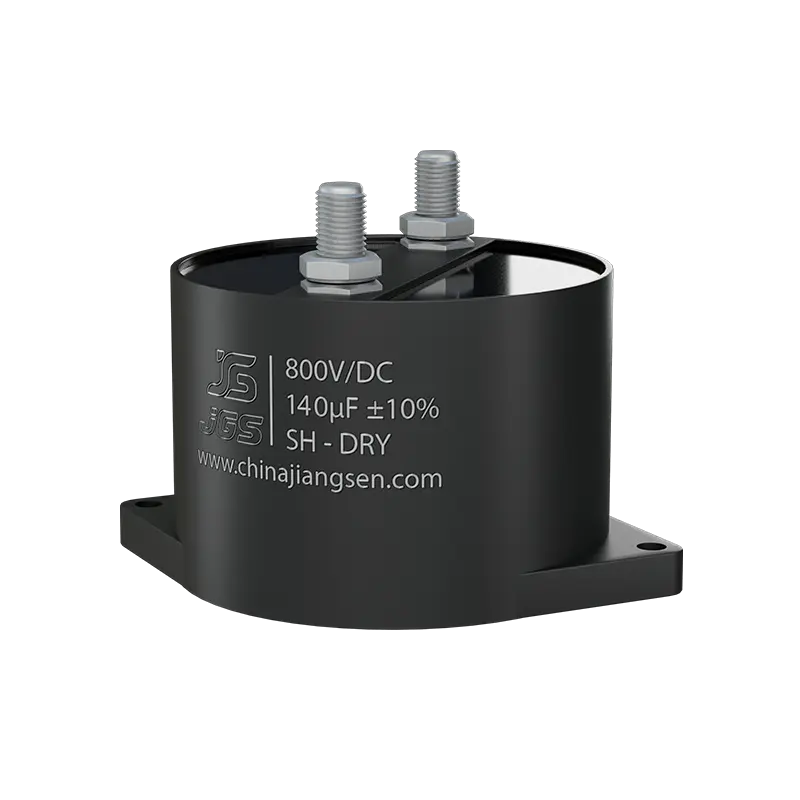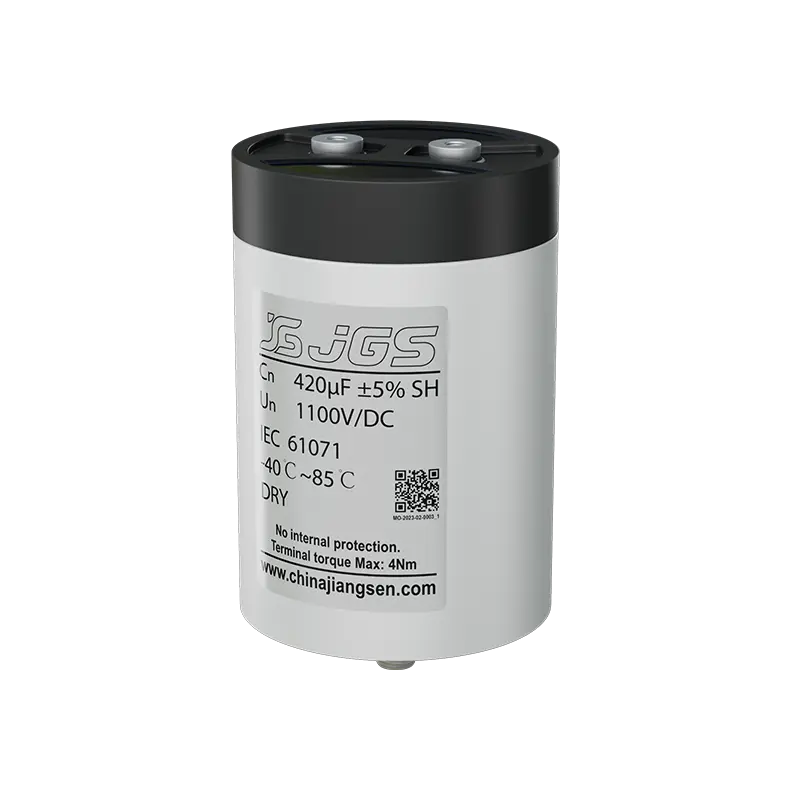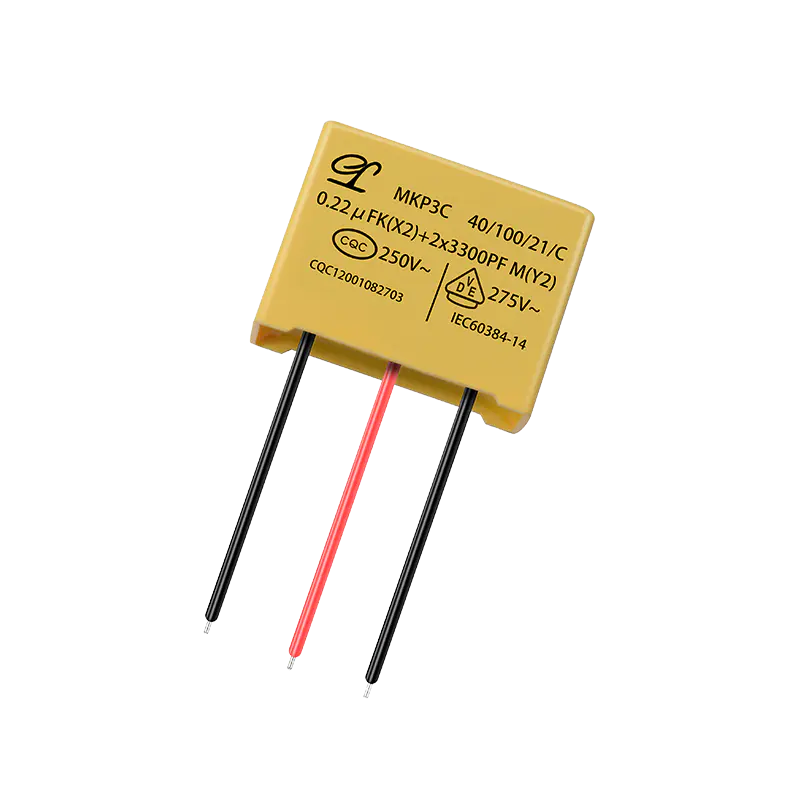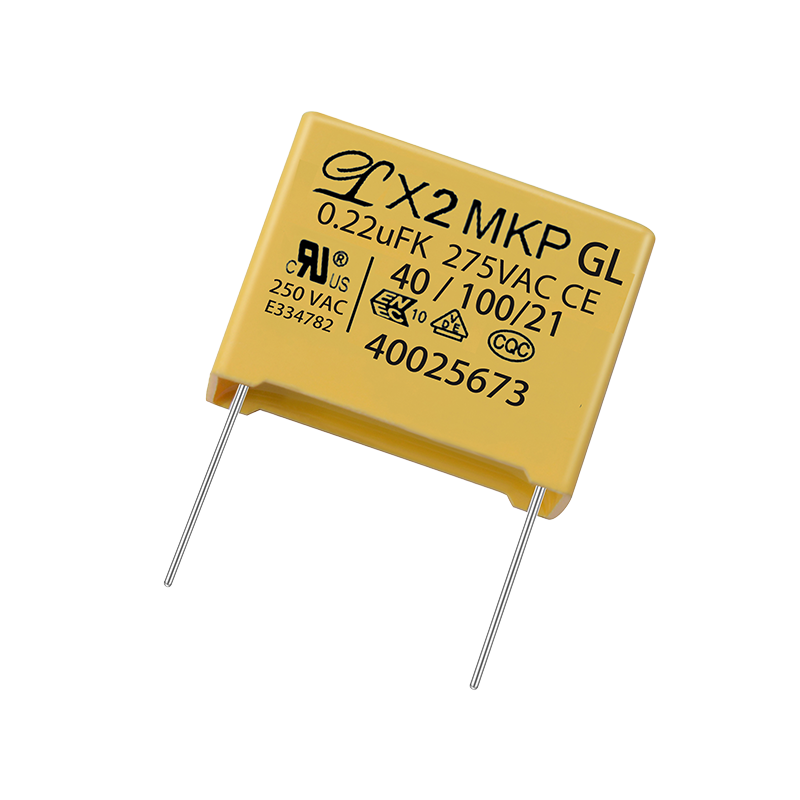
In the modern new energy industry, MPP film is gradually becoming a core material for high-end applications. As a new type of polypropylene (PP)-based multilayer composite film, MPP film is widely used in photovoltaic modules, electronic insulation, and demanding packaging materials due to its excellent electrical performance, superior mechanical strength, and stable heat resistance. Compared with traditional film materials, MPP film not only performs outstandingly in physical properties but also brings revolutionary improvements in processing and application efficiency.
The core advantage of MPP film lies in its multilayer co-extrusion technology. By stacking different functional layers on a polypropylene base, MPP film can achieve precise control of physical, chemical, and electrical properties. The thickness, composition, and molecular structure of each layer are precisely designed to ensure high stability and durability of the film during long-term use. This multilayer composite structure not only enhances the tensile strength and toughness of the film but also improves its heat resistance and aging resistance, allowing it to maintain stable performance in high-temperature and strong-light environments.
The microstructure design of MPP film optimizes the orientation of molecular chains, thereby improving dielectric properties and breakdown voltage. This is particularly crucial for high-voltage electrical applications such as photovoltaic modules, as the insulation performance of the film directly affects the efficiency and lifespan of the components. Through precise process control, MPP film can achieve higher mechanical strength and better electrical performance under the same thickness, giving it an irreplaceable position in the high-end new energy and electronics industries.
In the photovoltaic industry, MPP film plays an important role as a backsheet material. Its high insulation and environmental aging resistance provide long-term stable protection for photovoltaic modules, while its thermal expansion coefficient matches that of solar cells, effectively reducing stress caused by temperature changes. This means that MPP film can not only extend the lifespan of photovoltaic modules but also improve overall photoelectric conversion efficiency.
In addition, the high transparency and low water vapor transmission rate of MPP film enable it to provide excellent moisture-proof and anti-corrosion effects in module packaging. This material characteristic effectively prevents performance degradation of solar cells due to moisture or oxygen intrusion, thus ensuring long-term stable power output. Compared to single-layer PP films, multi-layer composite MPP films demonstrate significant advantages in reliability and durability in photovoltaic packaging.
The production of MPP films relies not only on high-quality raw materials but also on precise process control. Through multi-layer co-extrusion technology, the thickness and performance of each layer of the film can be precisely controlled, thus meeting the needs of different application scenarios. For example, some electronic insulation applications require extremely low dielectric constants, while some photovoltaic backsheets require high heat resistance and high UV resistance. MPP films achieve precise performance control by introducing functional polymers or additives in each layer, thus meeting the strict requirements for material performance in different industrial scenarios.
In the processing process, the stretching, annealing, and surface treatment of the film are equally important. Through precise stretching processes, the molecular chain orientation of the MPP film is optimized, resulting in higher strength and toughness under stress. At the same time, surface treatment technology can improve the film's adhesion and coating bonding strength, providing a reliable foundation for subsequent processing or composite material production.
The development of modern materials not only focuses on performance but also emphasizes environmental protection and sustainability. MPP films embody a green concept in both raw material selection and production processes. Its polypropylene base material is recyclable, and the production process has low energy consumption. The film's durability extends the product's lifespan, thus reducing waste generation. In addition, the high efficiency of the multi-layer composite structure reduces material waste, which is particularly important for energy-intensive photovoltaic and electronics industries.
Green environmental protection is not only an industry trend but also an important component of the competitiveness of MPP film products. With continuous technological optimization, MPP films are expected to achieve a lower-carbon and recyclable production model while maintaining high performance, providing sustainable material solutions for the development of the new energy industry.
MPP films use a multi-layer co-extrusion structure and can maintain stable performance in high-temperature environments, making them suitable for high-temperature photovoltaic packaging and electronic insulation applications.
It is mainly used in photovoltaic module backsheets, electronic insulation materials, and high-performance packaging materials. Its excellent mechanical and electrical properties make it perform outstandingly in various industrial applications.
Compared to single-layer PP film, MPP film achieves performance optimization through a multi-layer structure, possessing higher heat resistance, mechanical strength, and electrical insulation properties, while also having lower water vapor permeability and better aging resistance.
Yes, the MPP film substrate is recyclable, the production process has low energy consumption, and its strong durability extends its service life, aligning with modern green and environmentally friendly concepts.

© 2010-2024 www.chinajiangsen.com All rights reserved.
Privacy Policy
增值电信业务经营许可证 苏ICP备12026789号-1



 Español
 简体中文
简体中文