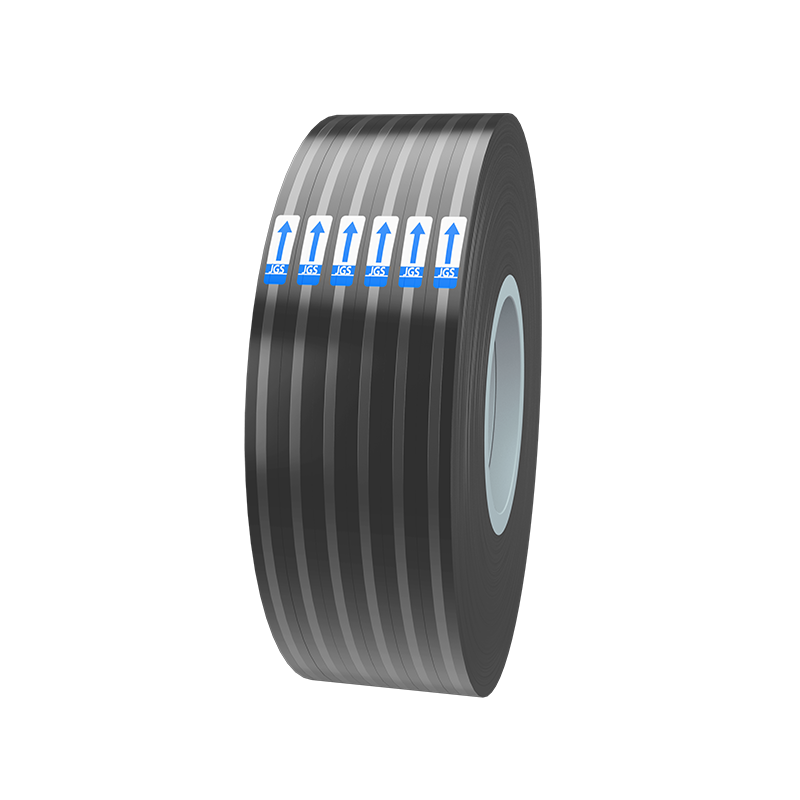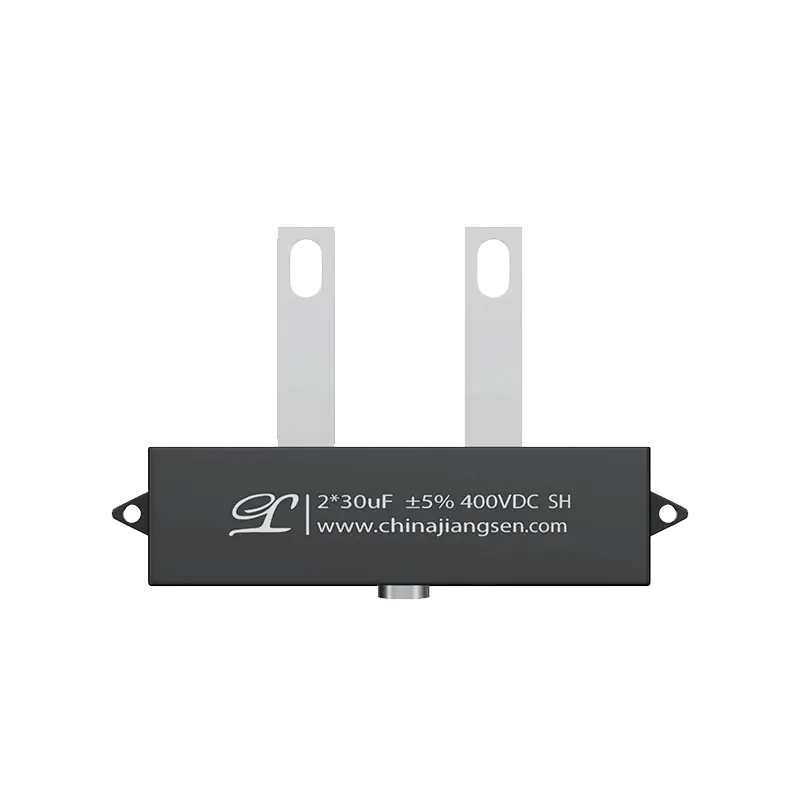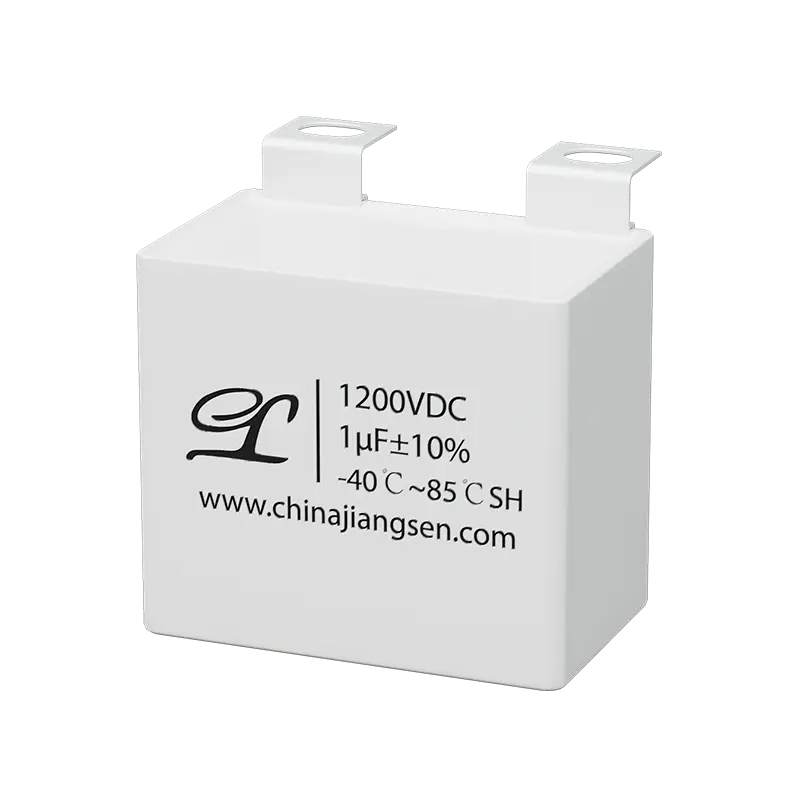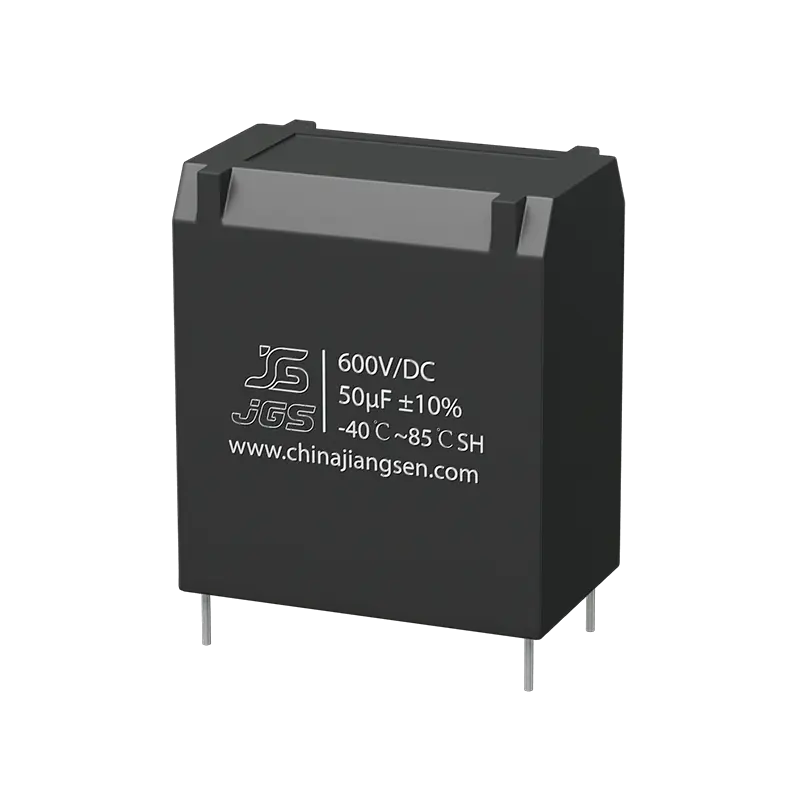
In modern industry and packaging, Aluminum Metallized Film Rolls have become an indispensable material. Thanks to their excellent physical properties and wide range of applications, these films demonstrate unique advantages in protection, decoration, barrier properties, and processing performance.
Aluminum metallized film is typically made from polymer film substrates such as polyester (PET), polypropylene (PP), and polyamide (PA), by vacuum evaporation of a metal aluminum layer. The metallization process coats the film surface with a uniform thin layer of aluminum, which not only gives the material a metallic luster but also significantly enhances its barrier and reflective properties. In the process, evaporation thickness, film tension, and vacuum control are key factors determining the final product performance. High-quality aluminum metallized film rolls exhibit excellent visual effects, mechanical strength, and durability, meeting the needs of various demanding applications.
The roll form of metallized film provides continuous and controllable processing advantages, making subsequent printing, lamination, and cutting processes more stable. Especially in modern high-speed production lines, the uniformity of roll tension and the accuracy of the roll diameter directly affect the processing efficiency and yield of the product. Therefore, manufacturers usually use multi-stage tension control and online quality monitoring during the production process to ensure the consistency and reliability of the film.
The core competitiveness of aluminum metallized film rolls lies in their comprehensive performance. First is the barrier performance. The aluminum layer of the metallized film effectively isolates water vapor, oxygen, ultraviolet rays, and odor diffusion, giving it an irreplaceable advantage in the packaging of food, pharmaceuticals, and high-value electronic products. This high barrier property not only extends the shelf life of the product but also improves packaging safety.
Secondly, there are the reflective and thermal insulation properties. The aluminum layer has high reflectivity to visible and infrared light, making it suitable for heat-sensitive materials and temperature-controlled packaging, effectively reducing the impact of temperature changes on the product. Coupled with the inherent mechanical toughness of the substrate, aluminum metallized film rolls also perform excellently in tear resistance, impact resistance, and folding resistance, making them suitable for a variety of complex processing environments. Aluminum foil metallized film also features printable surfaces and excellent lamination properties. The uniformity of the metallized layer and the smoothness of the film surface enable high-precision printing and facilitate lamination with other film materials, creating multi-functional composite films to meet the needs of various packaging and industrial applications.
Due to its unique properties, aluminum foil metallized film rolls are widely used in various fields. In packaging, it is used not only for high-barrier packaging of food, pharmaceuticals, and cosmetics, but also in various moisture-proof, light-proof, and oxidation-resistant packaging, extending product shelf life while enhancing visual appeal. In the industrial sector, metallized film rolls are commonly used in the manufacturing of electronic products, optical devices, and insulation materials, fully utilizing their heat insulation, reflection, and mechanical protection properties.
At the same time, the roll form of aluminum foil metallized film makes it easy to use in automated production lines, reducing manual intervention and improving production efficiency and yield. This material combines functionality and processing adaptability, providing companies with flexible and controllable production solutions.
The production of high-performance aluminum foil metallized film rolls relies on strict quality control. From base material selection to metallization and final roll product, every link plays a decisive role in product performance. Through online thickness detection, gloss measurement, and barrier performance testing, manufacturers can adjust process parameters in real time to ensure that each roll of film meets technical specifications. Advanced surface treatment technologies can also enhance the film's antistatic properties, scratch resistance, and printing adhesion, improving overall product competitiveness.
With increasing environmental requirements, high-quality aluminum foil metallized film is paying more attention to sustainability in material selection and production processes. Some films use recyclable polyester substrates and optimize the thickness of the metallized layer to achieve lightweight design and reduce resource consumption. This not only reduces production costs but also aligns with the development trend of green packaging, providing companies with technical support in environmental protection.
A1: Aluminum foil metallized film far surpasses ordinary plastic film in barrier properties, reflectivity, and mechanical strength. It can block moisture, oxygen, and ultraviolet rays, while providing metallic luster and heat reflection functions, making it suitable for demanding packaging and industrial applications.
A2: The continuous nature of the roll form facilitates processing on high-speed automated production lines, reducing manual intervention, improving production efficiency and yield, while ensuring uniform film tension and consistent thickness.
A3: It can be processed using various techniques such as printing, lamination, coating, cutting, and heat sealing. Its uniform surface and strong adhesion of the metallized layer ensure high processing stability and wide applicability.
A4: The high-quality film uses a recyclable polyester substrate and optimizes the aluminum layer thickness, achieving a lightweight design that meets the requirements of green packaging and sustainable development.

© 2010-2024 www.chinajiangsen.com All rights reserved.
Privacy Policy
增值电信业务经营许可证 苏ICP备12026789号-1



 Español
 简体中文
简体中文