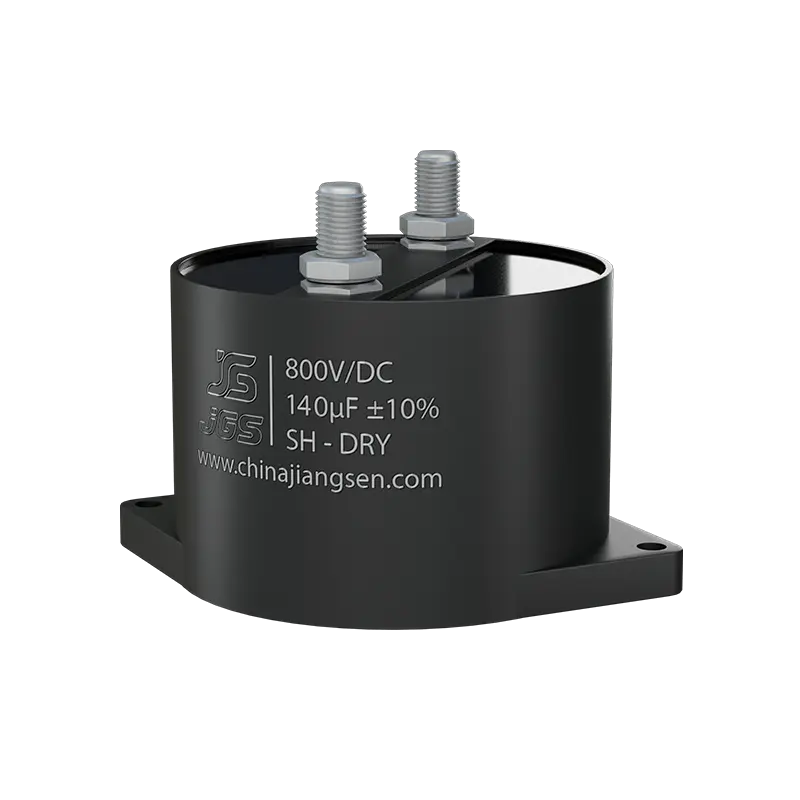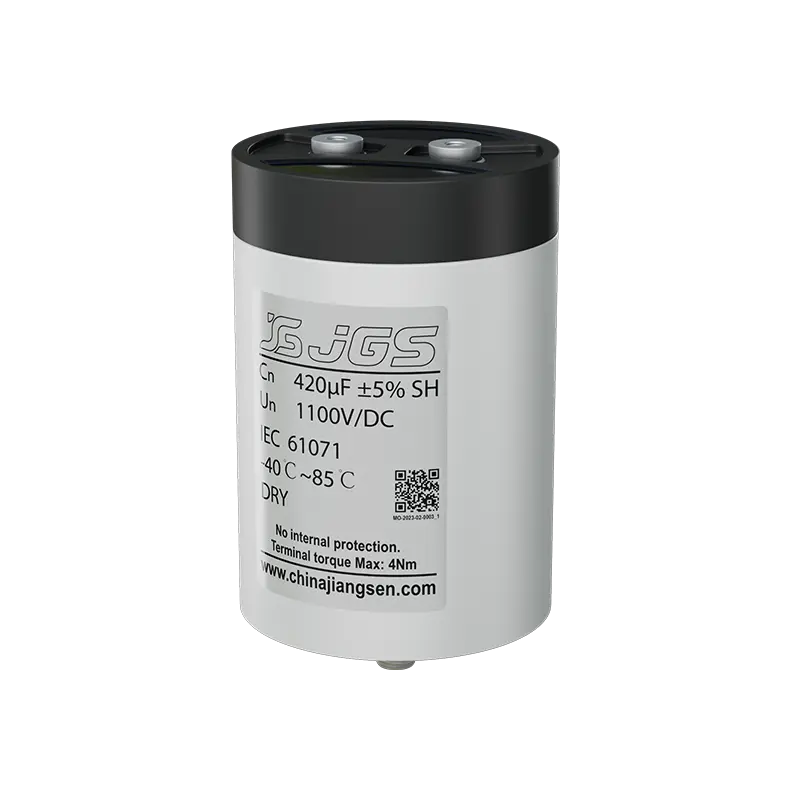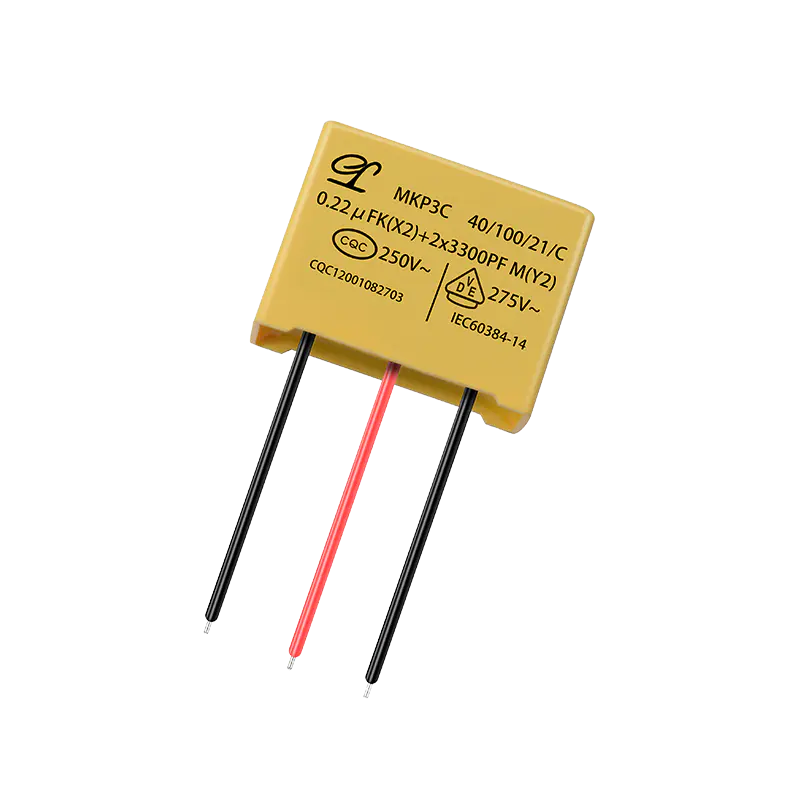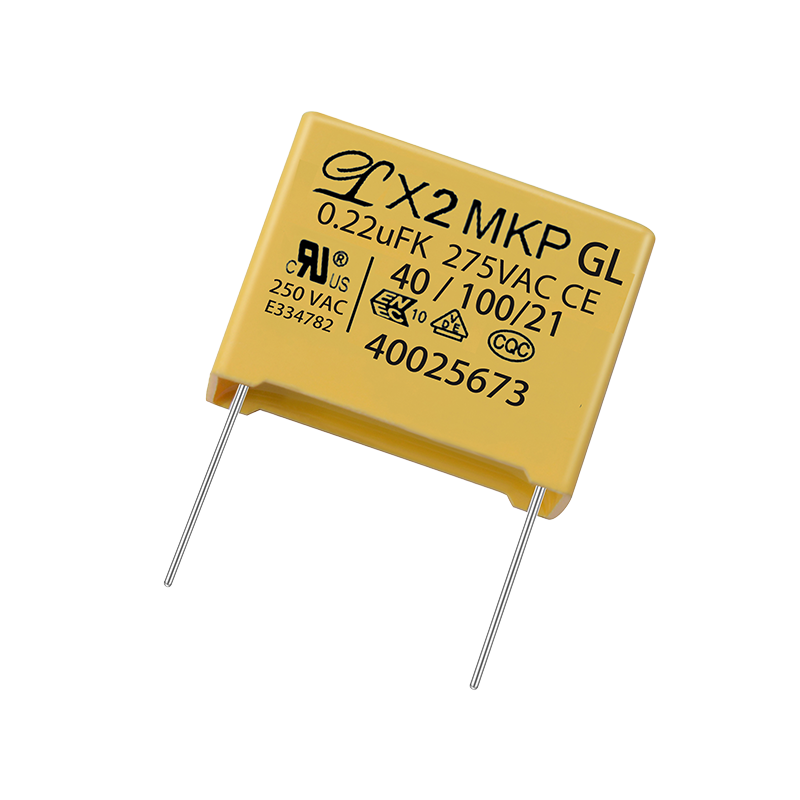
In modern electronic circuit design, capacitors, as core components for storing and regulating electrical energy, directly affect the stability and reliability of the entire system. Metalized film capacitors, due to their unique structure and excellent electrical characteristics, are widely used in various electronic devices. From high-frequency filtering to pulse energy storage, metalized film capacitors have become the preferred solution for design engineers due to their stability and durability.
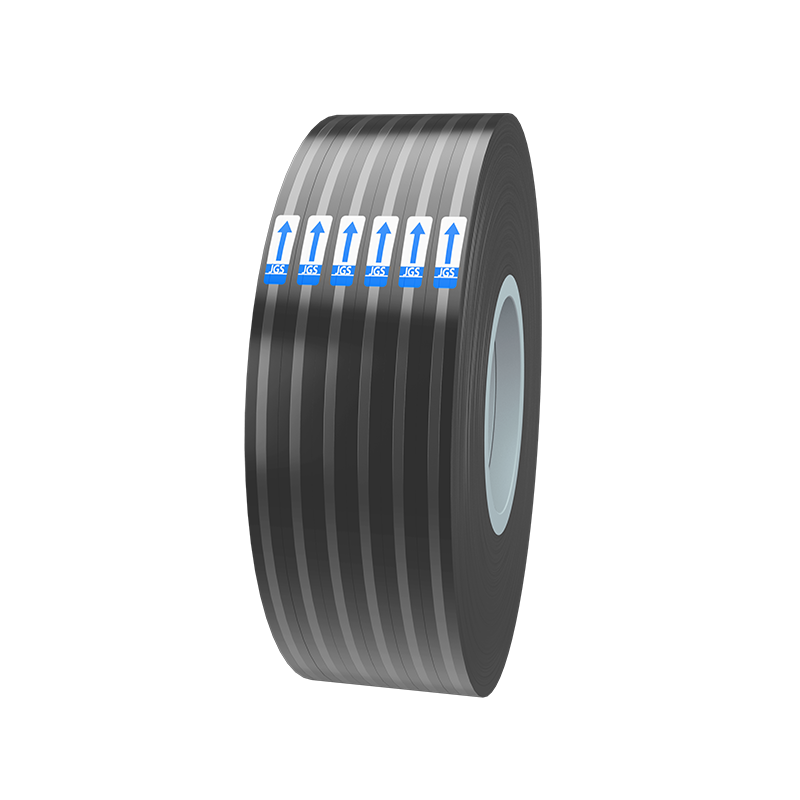
The core of a metalized film capacitor lies in its double-layer structure: a thin film dielectric and a metalized electrode. The film is usually made of polymer materials such as polyester, polypropylene, or polystyrene, which have extremely low dielectric loss and good insulation properties. The electrodes are formed by uniformly coating the metal onto the film surface through a vapor deposition process, allowing the capacitor to maintain a compact size while having a high capacitance value and voltage rating.
Compared with traditional wound capacitors, metalized film capacitors have self-healing capabilities. When a small breakdown occurs inside the capacitor, the metalized layer will locally evaporate, automatically cutting off the defective area, thus preventing complete capacitor failure. This feature not only extends the product life but also significantly improves system reliability.
Metalized film capacitors are known for their low equivalent series resistance (ESR), low dielectric loss, and high insulation resistance. These properties allow them to maintain stable operation even in high-frequency, high-temperature, and high-voltage environments. Their flat frequency response makes them suitable for filtering and energy storage, and they perform exceptionally well in applications such as switching power supplies and high-frequency inverters.
Metalized film capacitors have wide temperature adaptability. Whether in extremely cold or high-temperature conditions, their capacitance value and loss are hardly affected. This characteristic provides reliable electrical protection for precision electronic equipment, enabling the system to operate stably in various environments.
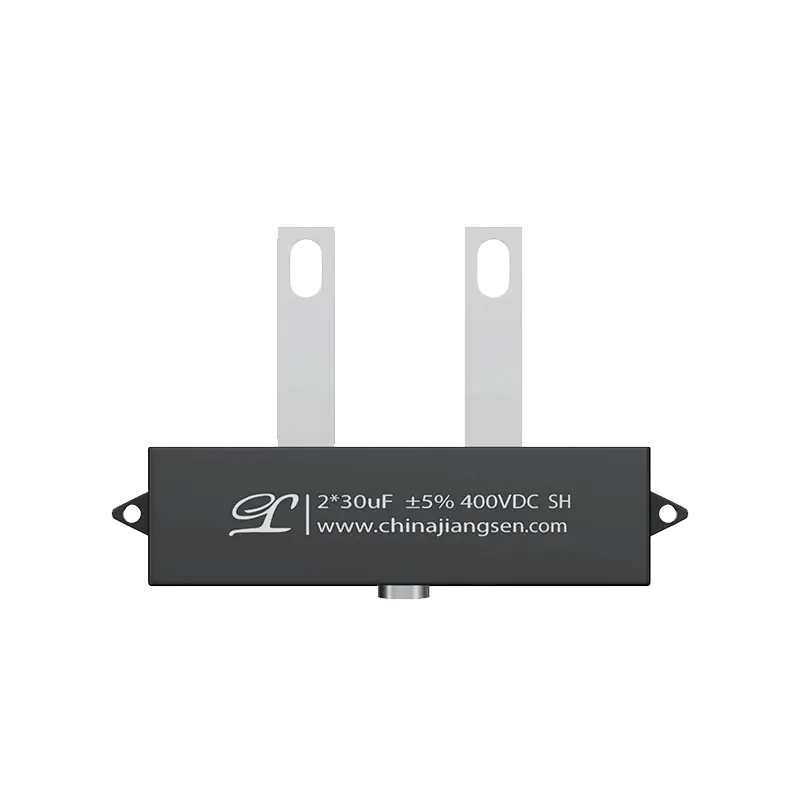
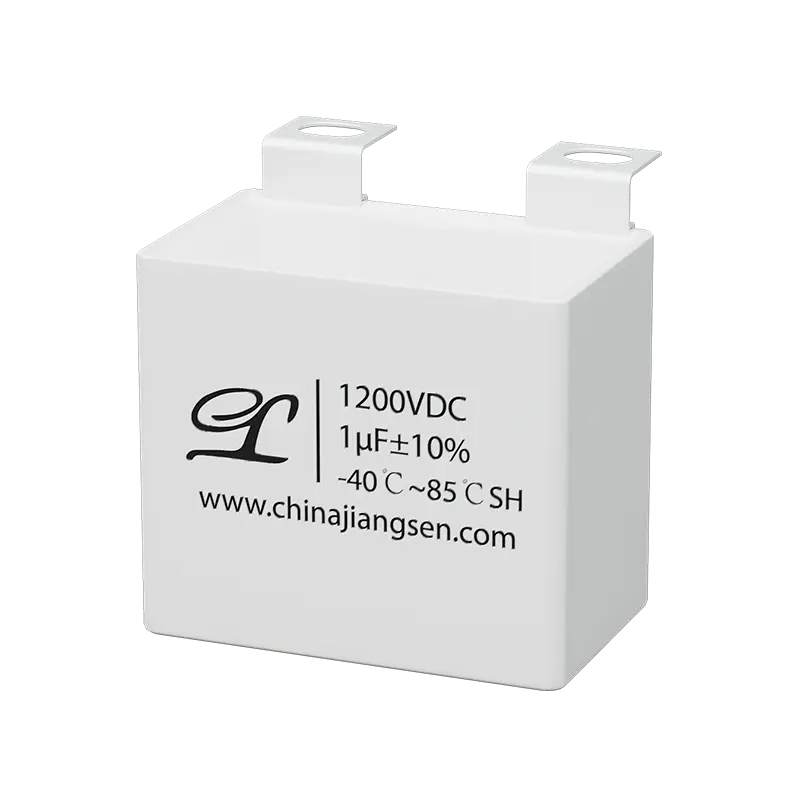
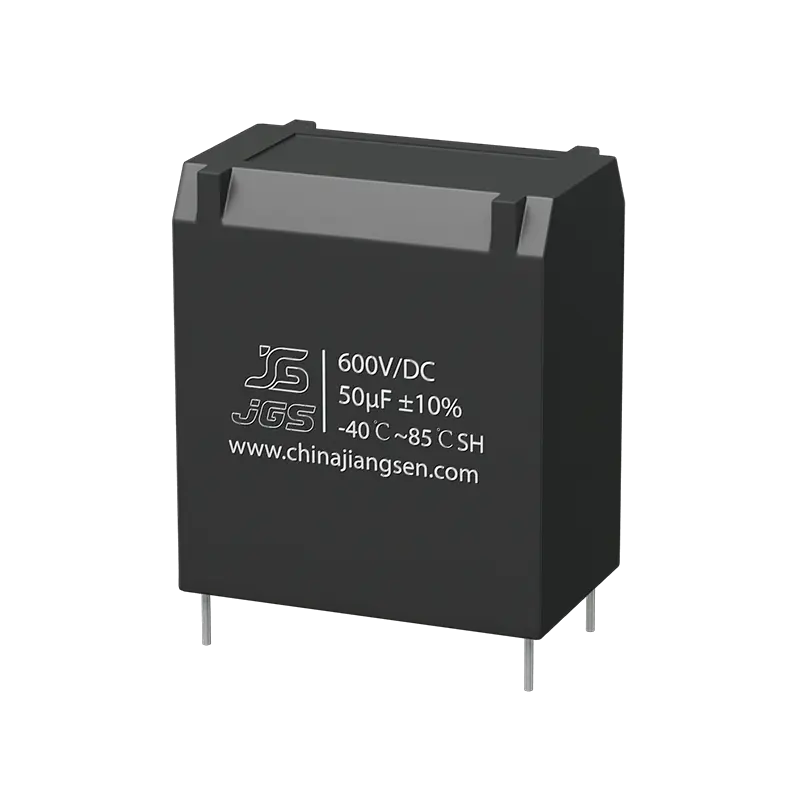
In modern electronic design, space and weight are key considerations. Due to the high capacitance density of the metalized film itself, metalized film capacitors can achieve larger capacitance values in a smaller volume. At the same time, the manufacturing process allows for diverse capacitor shapes, adapting to different circuit board layouts and installation requirements. Metallized film capacitors also possess a high voltage withstand margin, meeting the demands of high-voltage applications. This characteristic is crucial for high-power circuits and industrial equipment, as it not only improves safety but also simplifies circuit protection design.
Another major highlight of metallized film capacitors is their self-healing property. When a local breakdown occurs in the internal insulation, the metallized layer evaporates locally, interrupting the defect current path and preventing further damage. This self-healing mechanism significantly enhances the reliability of the capacitor, making it particularly suitable for pulse power or high-stress circuit applications.
At the same time, the low leakage current and high insulation resistance characteristics of metallized film capacitors ensure stable performance during long-term operation, reducing maintenance requirements. This not only lowers the overall system failure rate but also extends equipment life, which is of great value to industrial and electronics manufacturers.
Metallized film capacitors are widely used in power electronics, communication equipment, home appliances, and automotive electronics. In critical applications such as filtering, energy storage, and pulse rectification, their high reliability and excellent electrical characteristics ensure stable system operation under complex working conditions.
Their technical value is reflected not only in performance but also in optimizing design and improving system efficiency. High-frequency characteristics, low loss, and high voltage withstand capability allow design engineers to achieve product miniaturization and lightweight design while maintaining performance, which is especially important for portable devices and high-density circuit designs.
A1: Metallized film capacitors have a metal layer deposited on the film surface to form electrodes, possessing self-healing capabilities and higher capacitance density, while ordinary film capacitors typically use separate metal foil electrodes and do not have self-healing properties.
A2: Yes. Their low equivalent series resistance and low dielectric loss make them excellent for filtering and energy storage in high-frequency environments.
A3: Metallized film capacitors have self-healing capabilities and high insulation impedance, allowing them to operate stably for a long time under high-stress conditions, resulting in a longer lifespan than traditional capacitors.
A4: Suitable. Its film material and metallized structure ensure that capacitance and loss remain stable under high-temperature conditions.

© 2010-2024 www.chinajiangsen.com All rights reserved.
Privacy Policy
增值电信业务经营许可证 苏ICP备12026789号-1



 Español
 简体中文
简体中文