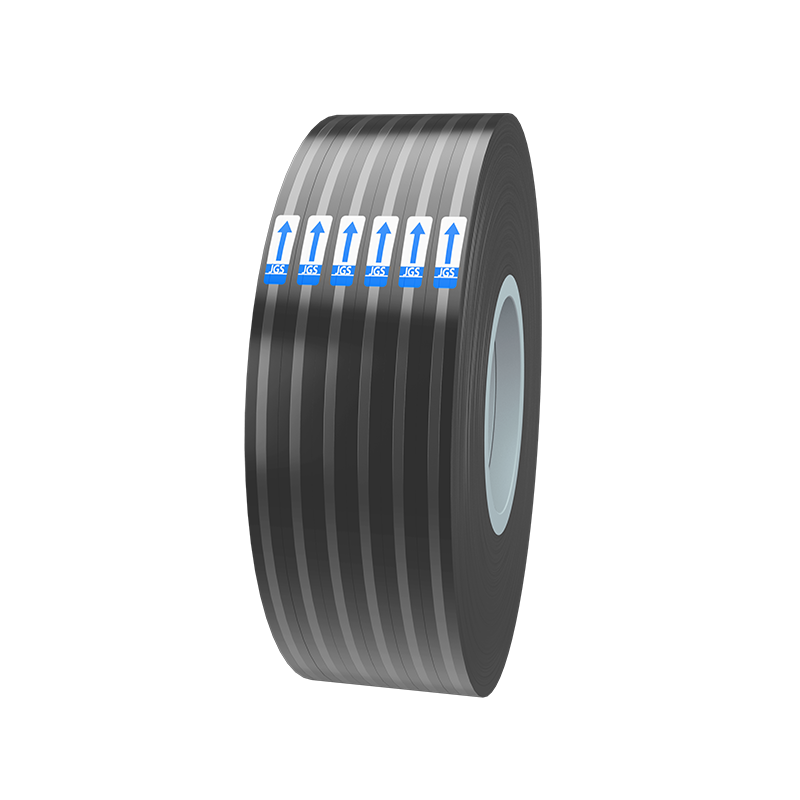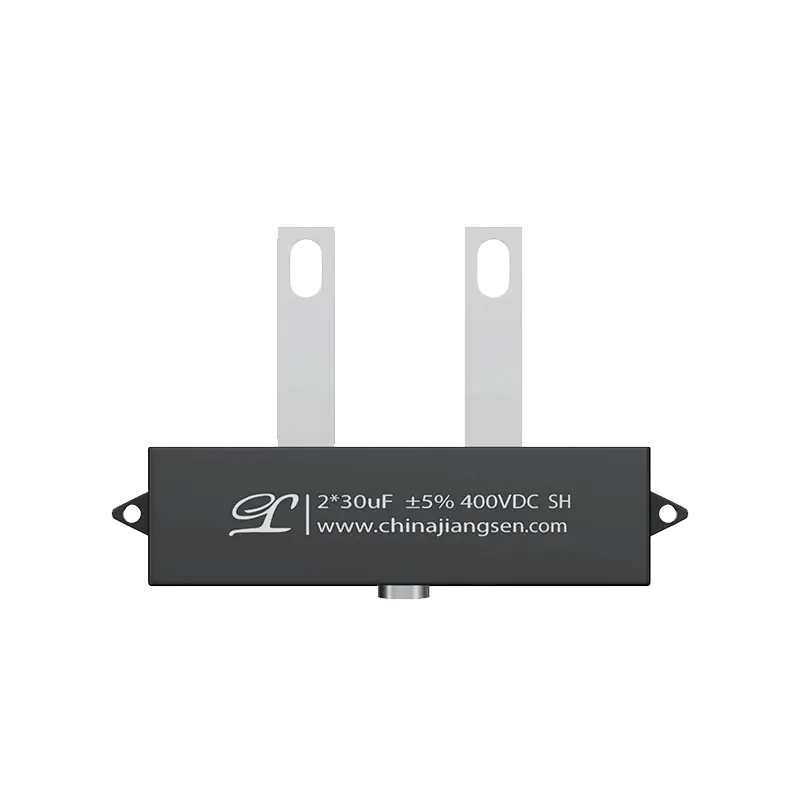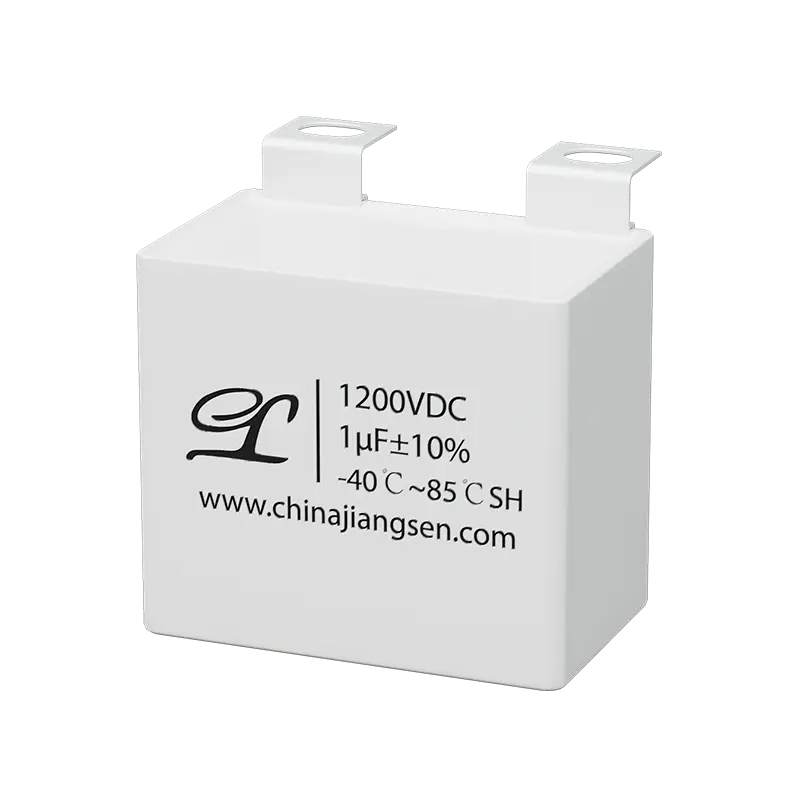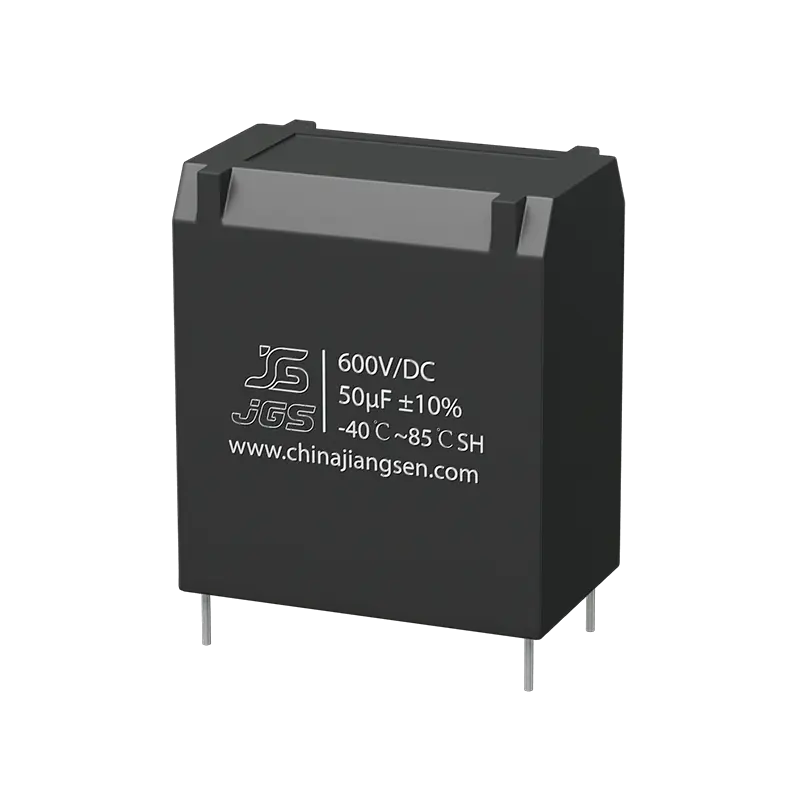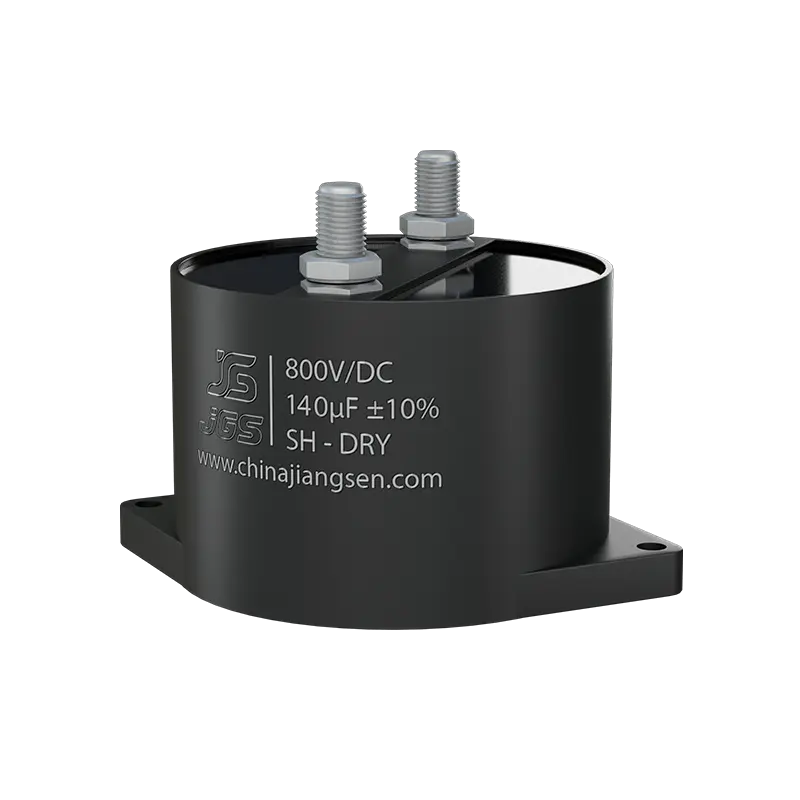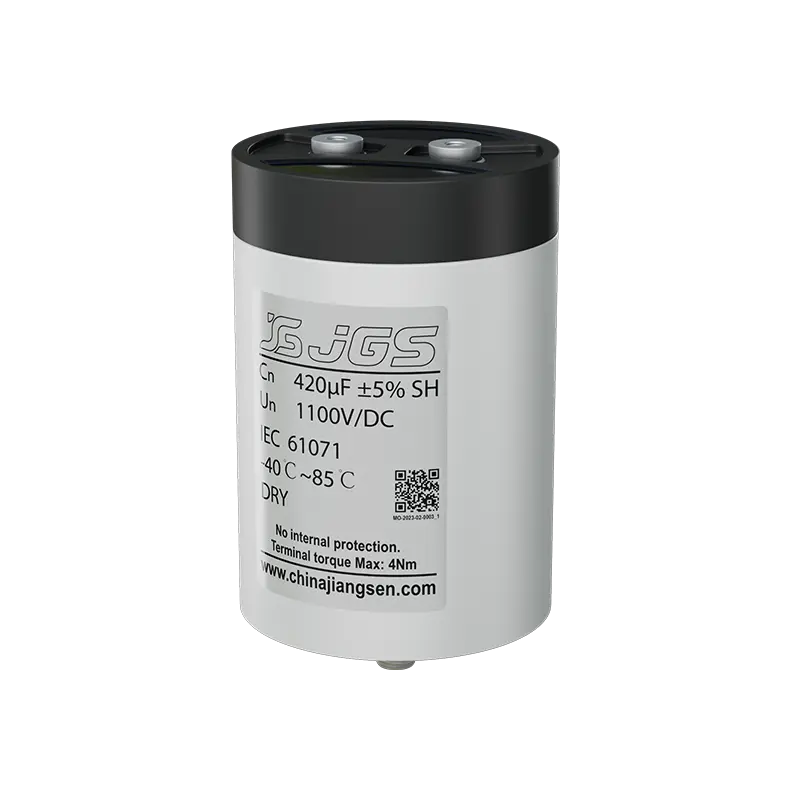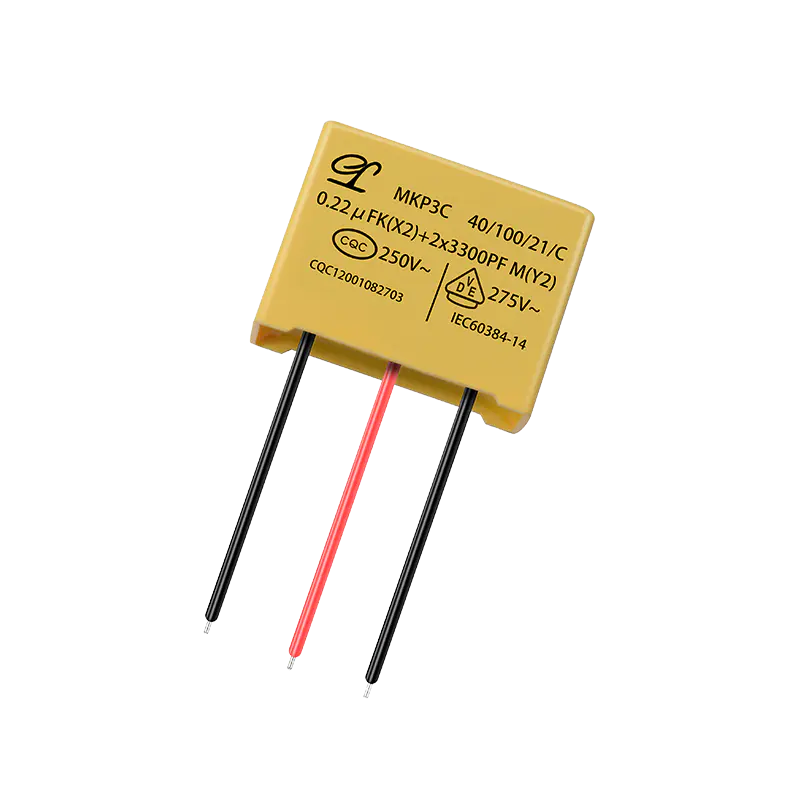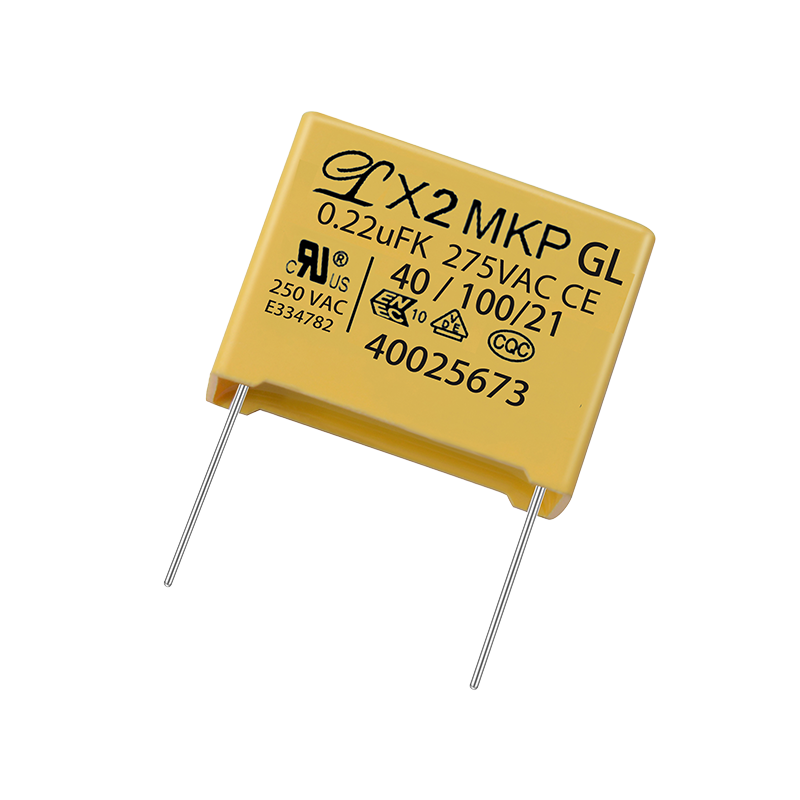
In the context of the rapid development of modern electronic technology, the Power Capacitor, as a core energy storage component, plays a crucial role in various electronic devices and power systems. It can not only store a large amount of electrical energy instantaneously but also provide stable power output when the system load changes, thus ensuring the reliability and efficiency of equipment operation. Whether it's high-frequency switching power supplies, electric vehicle power systems, or industrial automation equipment, the performance of the Power Capacitor directly affects the stability and lifespan of the entire system.
The basic principle of a Power Capacitor stems from the energy storage characteristics of a capacitor. By forming an electric field between two conductors, the capacitor can convert electrical energy into electric field energy for storage and release it when needed. Compared with ordinary capacitors, Power Capacitors usually have higher rated voltage and capacitance, as well as lower equivalent series resistance (ESR), which allows them to withstand instantaneous high current surges and quickly respond to changes in the power system load.
Structurally, Power Capacitors employ a precise multi-layer electrode design combined with high-performance insulating materials to ensure stable performance even under long-term high-frequency operation. The choice of insulating material is crucial for the capacitor's voltage resistance and thermal stability, while the multi-layer electrodes significantly increase capacitance density, thus achieving higher energy storage within a limited volume.
When evaluating the performance of a Power Capacitor, several key indicators need attention. First is capacitance, which directly determines how much energy the capacitor can store. Second is the equivalent series resistance (ESR), which relates to the energy conversion efficiency and heat dissipation capacity of the capacitor. Low ESR reduces energy loss and improves the overall efficiency of the system.
Voltage resistance is also a core factor in Power Capacitor design. High voltage resistance means that the capacitor can operate safely at higher voltages, adapting to more complex power environments. Temperature stability is equally important; high-performance Power Capacitors usually use special electrolytes or solid dielectrics to ensure that capacitance and lifespan are maintained even at extreme temperatures.
With the development of smart grids and new energy technologies, the application scenarios of Power Capacitors are becoming increasingly widespread. In power systems, they can smooth grid fluctuations and provide instantaneous power support, thus ensuring the stability of the power grid. In the field of renewable energy, such as solar and wind power generation systems, power capacitors can buffer the instability of power output, ensuring a continuous and stable power supply to downstream equipment.
Power capacitors are also indispensable in industrial automation and high-frequency electronic equipment. They can provide high current support in a short time, meeting the needs of instantaneous equipment startup or sudden load changes. At the same time, their high reliability and long lifespan significantly reduce equipment maintenance costs and improve overall system efficiency.
In recent years, with the advancement of materials science and manufacturing processes, the performance of power capacitors has been continuously improved. The application of new high-dielectric constant materials has further increased capacitance density, thereby improving energy storage capacity while maintaining the same volume. Meanwhile, nanotechnology and advanced electrode structure design have significantly improved the stability and reliability of capacitors in high-frequency and high-temperature environments.
The development of intelligent manufacturing and online monitoring technologies has also promoted the reliability management of power capacitors. By real-time monitoring of the capacitor's temperature, voltage, and current status, potential failures can be effectively predicted, extending service life and ensuring the safe operation of the entire system.
In the actual selection process, choosing high-quality power capacitors is crucial. In addition to focusing on capacitance, voltage rating, and ESR indicators, material quality, manufacturing process, and the supplier's technical support capabilities are also important considerations. High-quality materials and precise manufacturing processes ensure that the capacitor maintains stable performance during long-term operation, while comprehensive technical support provides reliable guarantees for system design and maintenance.
At the same time, different application scenarios have different performance requirements for power capacitors. High-frequency electronic equipment usually requires low ESR and fast response capabilities, while industrial power systems focus more on voltage resistance and temperature stability. Therefore, a deep understanding of specific application needs and targeted selection of suitable power capacitors can maximize their value.
Power capacitors can quickly store and release electrical energy, possessing high energy density, low ESR, high voltage resistance, and excellent temperature stability, making them suitable for various high-load and high-frequency application scenarios.
The quality is mainly assessed through capacitance stability, ESR value, voltage resistance performance, temperature stability, and materials and manufacturing processes. The technical support of a high-quality supplier is also an important guarantee.
They are widely applicable in scenarios requiring stable power output and instantaneous high current support, such as high-frequency switching power supplies, electric vehicle power systems, industrial automation equipment, and renewable energy systems.

© 2010-2024 www.chinajiangsen.com All rights reserved.
Privacy Policy
增值电信业务经营许可证 苏ICP备12026789号-1



 Español
 简体中文
简体中文