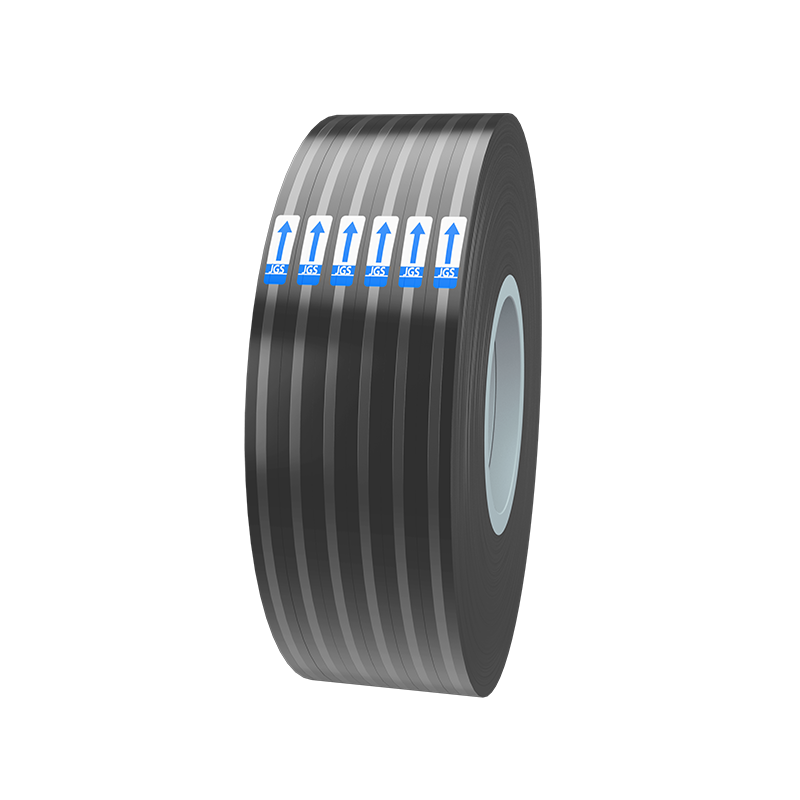
In an era of continuous innovation in functional film technology, MPET film, with its superior physical properties and wide industrial applicability, is becoming a core material attracting significant attention in high-end packaging, optical applications, electronic devices, and new energy materials.
MPET film is an advanced form of polyester film. Through special coating or co-extrusion processes, it exhibits superior performance in heat resistance, mechanical strength, barrier properties, and surface stability. Its more compact molecular arrangement allows the film to form a stable structural orientation during stretching, resulting in excellent dimensional stability. Compared to traditional materials, MPET has significant advantages in transparency, stiffness, and surface smoothness, enabling it to meet the stringent requirements of optical and precision machining fields.
Its surface energy, after control, is more suitable for ink coating, vapor deposition, and lamination, giving it enhanced material loading capabilities. Whether used for high-gloss metallic effects, wear-resistant surfaces, or composite structures with functional protection, MPET film provides a stable processing window while maintaining a thin and lightweight material, meeting the demands of high-speed production lines.
With the accelerated development of high-end manufacturing, the application boundaries of MPET Film are constantly expanding. Its high brightness, scratch resistance, and barrier properties, exhibited in high-end consumer product packaging, make it a key alternative to traditional aluminized films. Through specific surface treatments, MPET can achieve a more uniform and delicate reflective texture, meeting brands' high demands for visual effects and providing more expressive materials for designs.
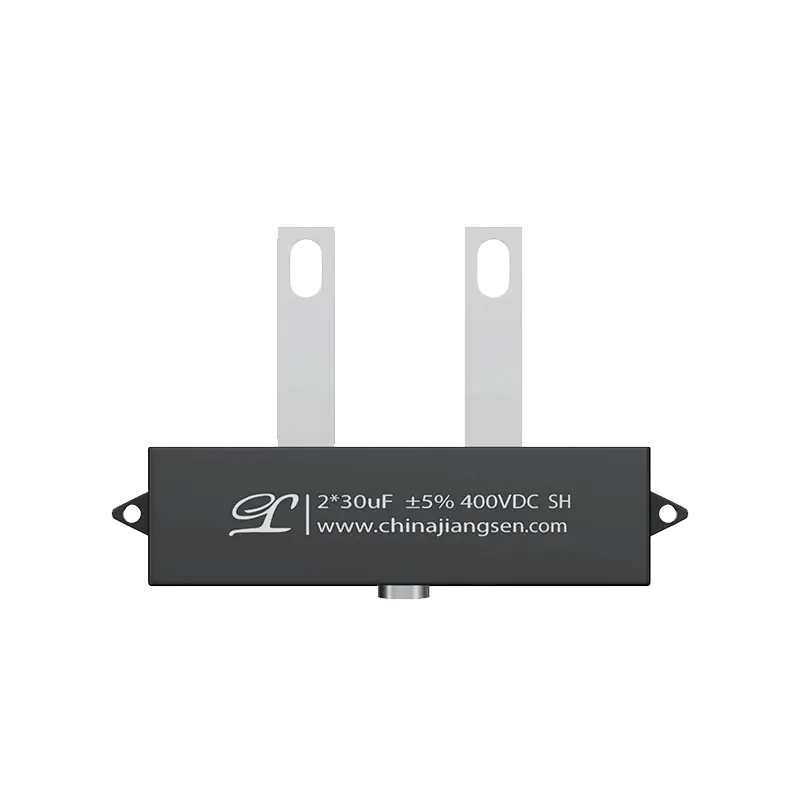
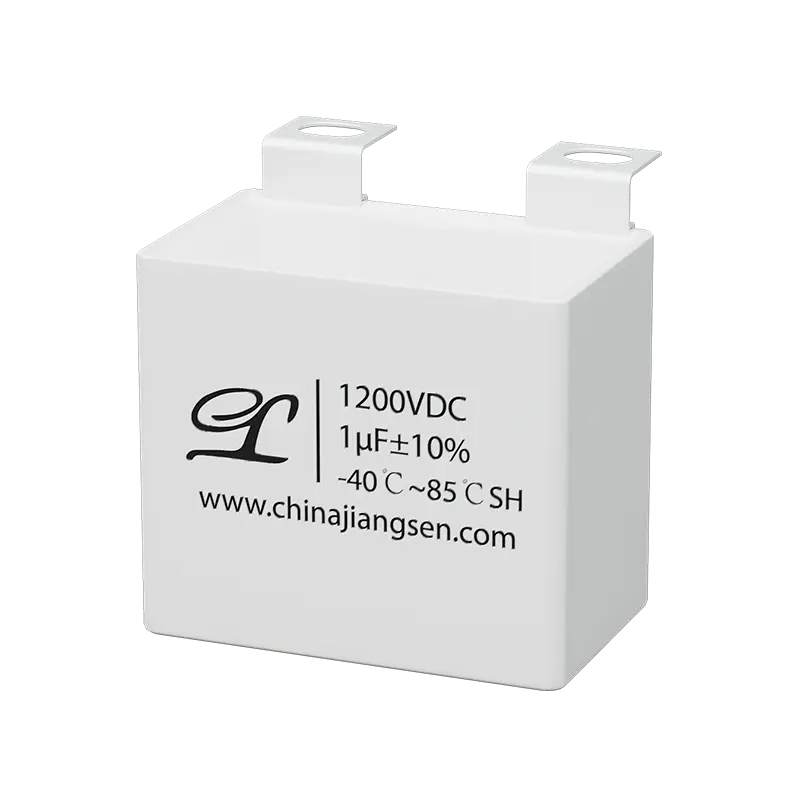
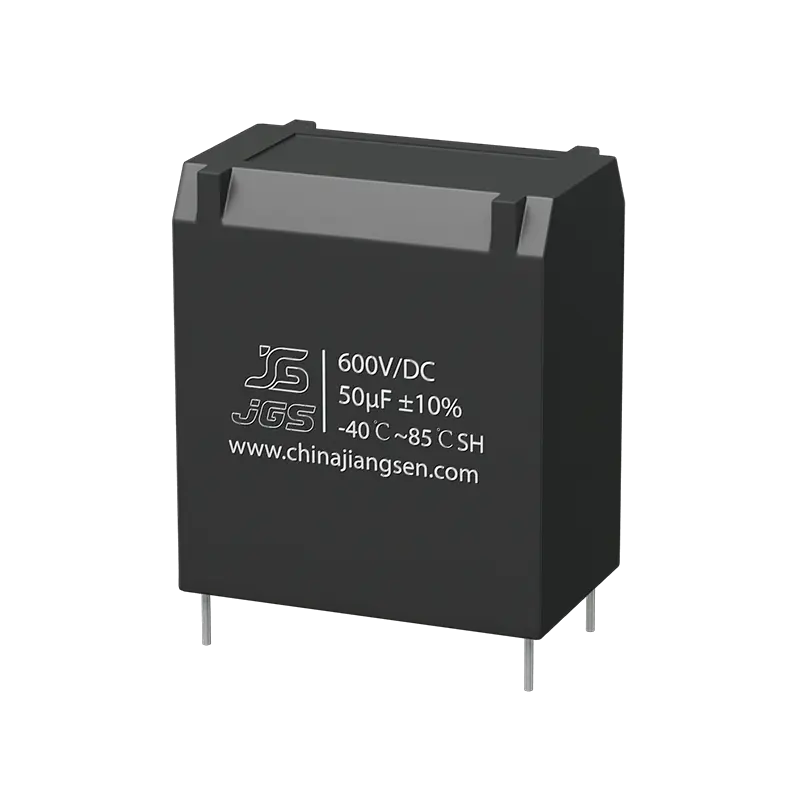
In the electronics industry, MPET Film, due to its stable dielectric properties, excellent dimensional control, and heat resistance, is gradually becoming an important choice for flexible circuit protection films, touch modules, and optical functional films. With the advancement of lightweight and flexible equipment trends, higher demands are placed on the flexibility and fatigue resistance of thin film materials. MPET Film, with its structural advantages, is continuously expanding its share in high-precision electronic scenarios.
The rapid growth of the new energy industry is also bringing new growth momentum to MPET Film. Its good mechanical strength and environmental aging resistance enable it to meet the long-term stable requirements of battery modules and solar components in complex environments. The material's ability to withstand prolonged exposure to UV radiation and humid heat in outdoor environments provides a solid foundation for its development as a novel weather-resistant film, protective film, or composite layer.
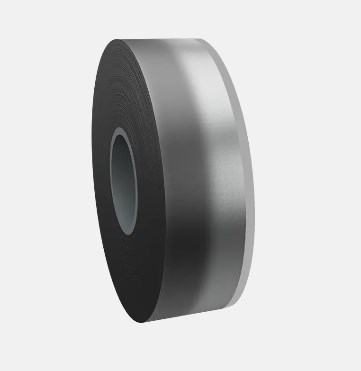
Competition in the film industry has never been simply a matter of thickness, but rather revolves around structural design and functional integration. MPET film's production process relies on continuously upgraded stretching equipment and more precise coating technology, enabling breakthroughs in thickness uniformity, optical properties, and modification treatments. The addition of nano-coating technology allows for higher abrasion resistance, more stable adhesion, and lower surface roughness, opening new possibilities for its entry into high-end optical and electronic packaging fields.
With the growing demand for environmentally friendly materials, MPET film's recyclability and low-energy production methods give it a significant advantage in green manufacturing. The industry's preference for single-material structures is increasing, and MPET film's ability to maintain functionality while being compatible with multiple processes helps drive the comprehensive upgrade of recyclable packaging.
The future competition in the film market will depend not only on the performance of the materials themselves, but also on the ability to form a stable industrial chain ecosystem supported by digitalization and intelligent manufacturing. MPET film, with its combination of high performance and processing friendliness, will play a crucial role in broader structural innovation. As functional films accelerate their iteration towards lightweighting, multifunctionality, and environmental friendliness, the role of MPET film will shift from traditional packaging materials to high-end basic materials used across multiple industries.

© 2010-2024 www.chinajiangsen.com All rights reserved.
Privacy Policy
增值电信业务经营许可证 苏ICP备12026789号-1



 Español
 简体中文
简体中文