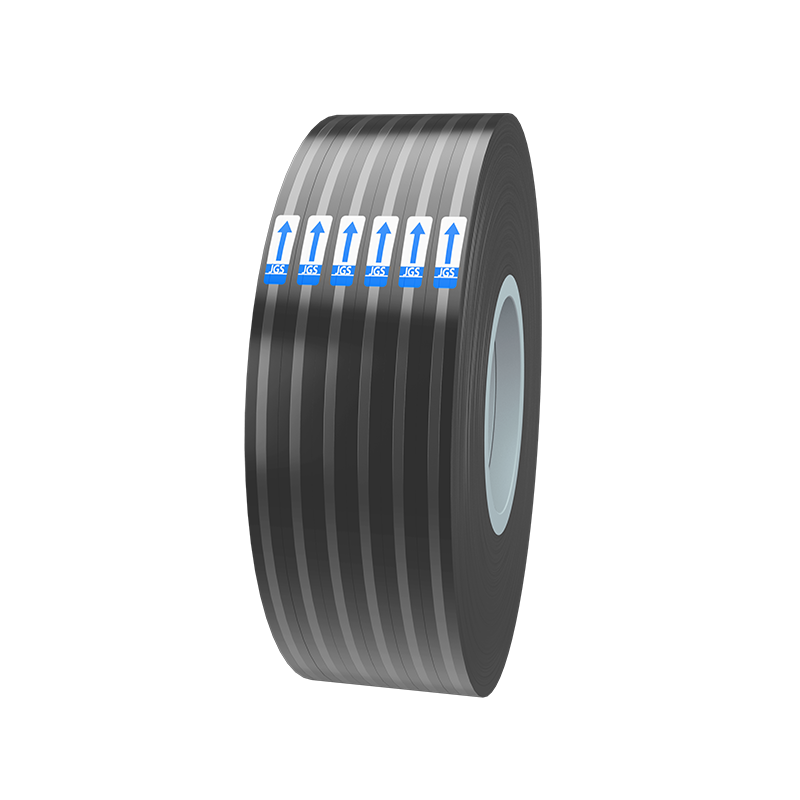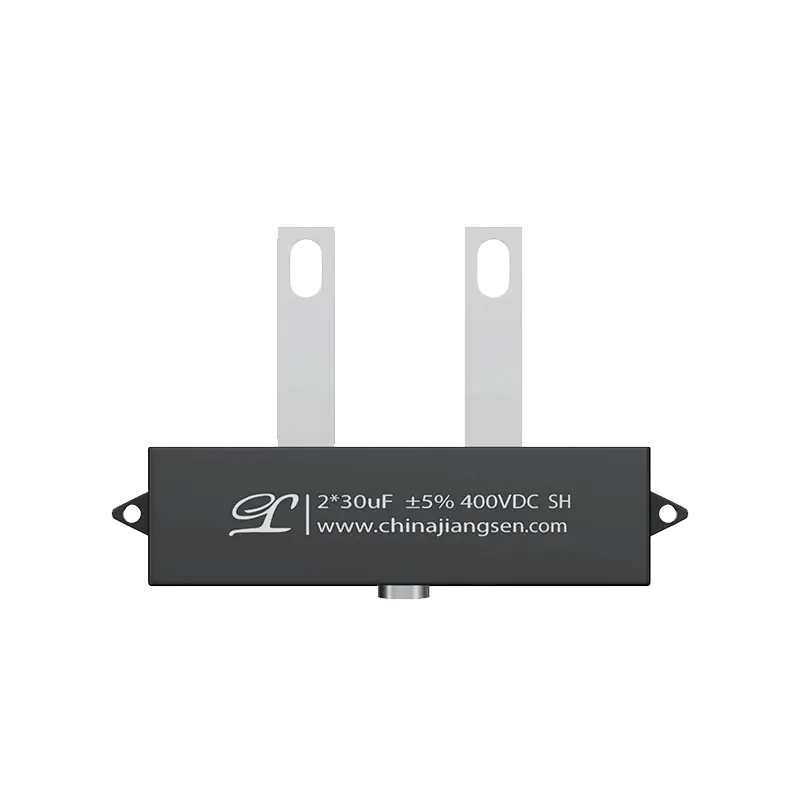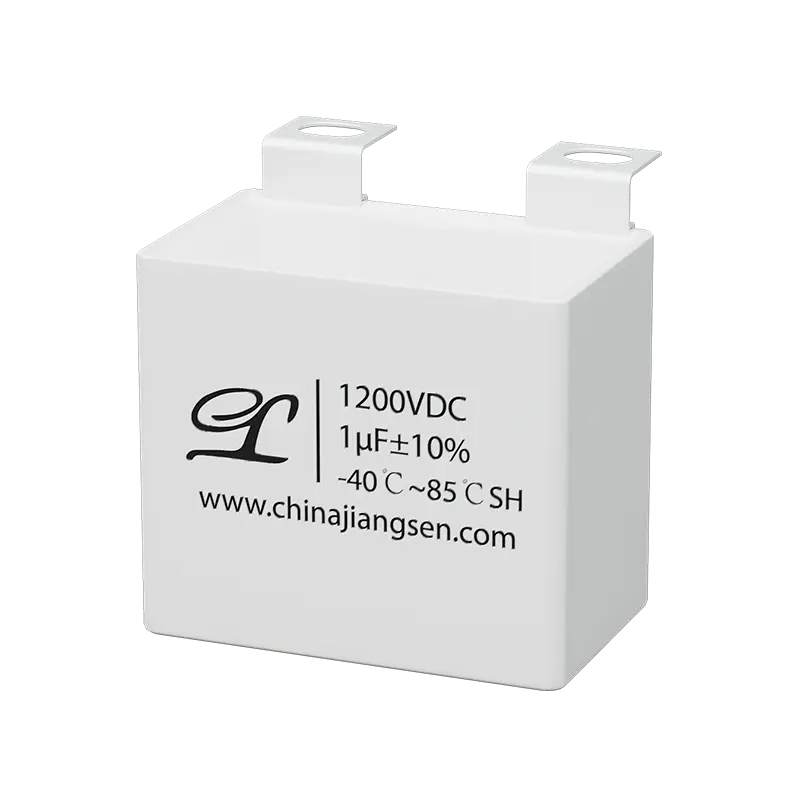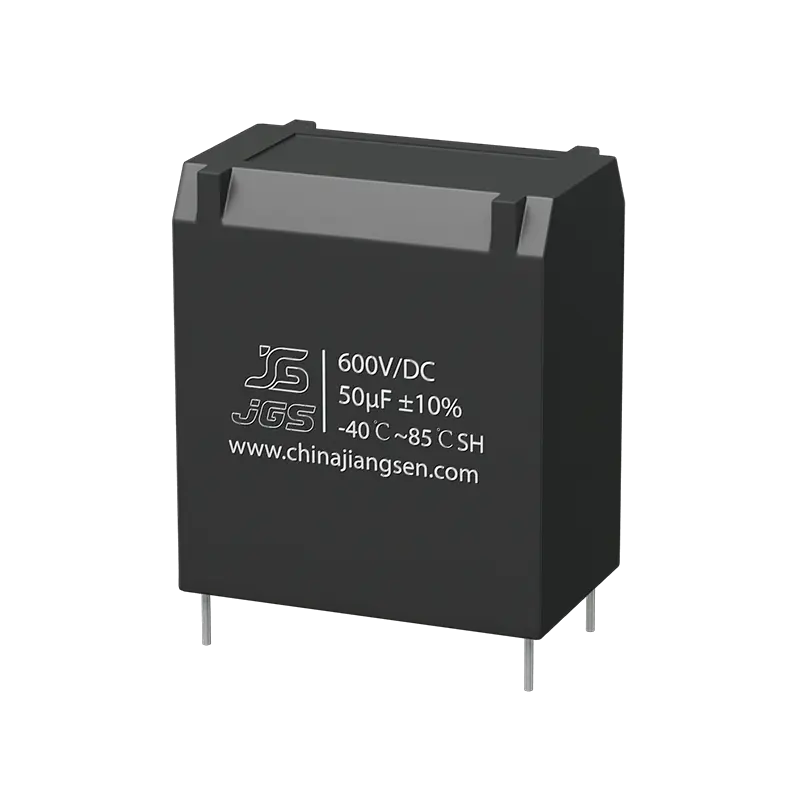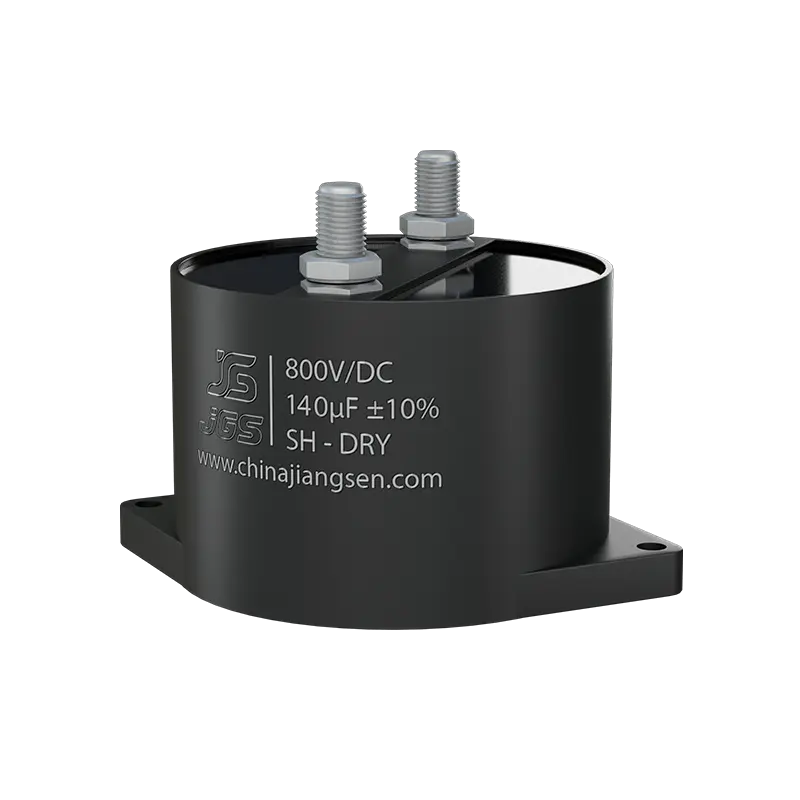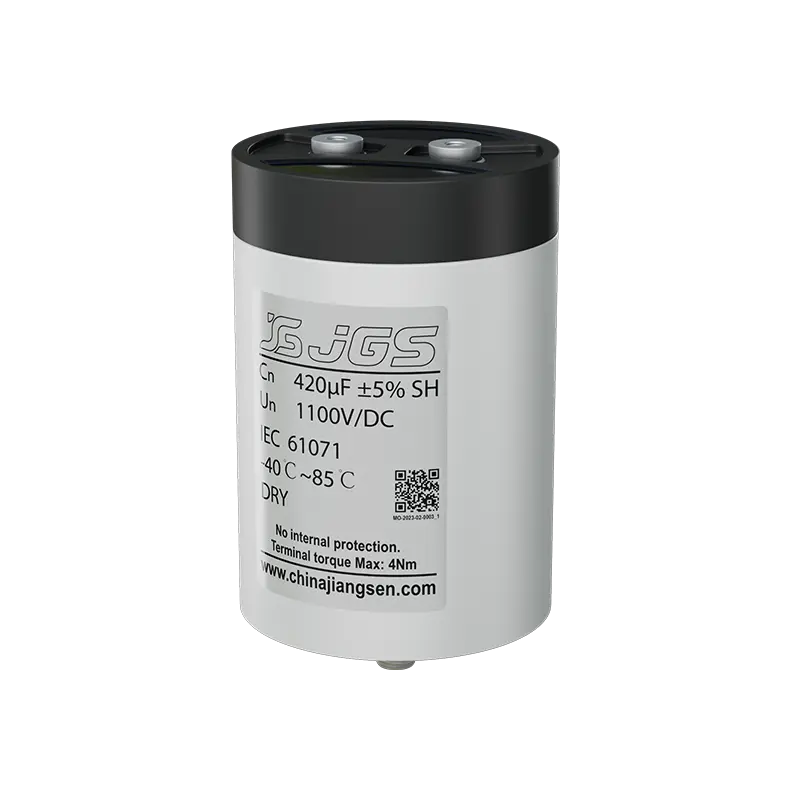
DC link film capacitors are a type of film capacitor typically made from polypropylene (PP) or polyester (PET) film. These materials are processed into capacitor cells through winding or lamination techniques.
In DC link circuits, these capacitors play key roles in smoothing voltage fluctuations, storing energy, and buffering transient currents. Compared with traditional aluminum electrolytic capacitors, film capacitors offer lower equivalent series resistance (ESR) and equivalent series inductance (ESL), ensuring stable performance under high-frequency switching conditions.
The main advantages lie in high reliability, high efficiency, and long lifespan. Their low dielectric loss and high dielectric strength enable stable operation under high voltage and current conditions.
Low ESR and ESL reduce heat generation and suppress high-frequency noise and electromagnetic interference, improving overall system power quality.
Film capacitors feature a self-healing design, allowing them to recover from partial dielectric breakdown and prevent total failure, which is critical in high-power systems.
Selection depends on voltage, capacitance, current surge capability, temperature rise, and mechanical vibration resistance.
Film capacitors maintain low dielectric losses and high thermal stability, making them suitable for high-frequency and high-temperature environments.
Engineers must consider ESR, ESL, resonant frequency, and lifespan prediction to optimize performance and reliability.
New thin-film materials improve voltage resistance, dielectric loss, and thermal stability.
Enhanced winding and lamination processes ensure low ESR and ESL even under high pulse currents.
Improved packaging and heat dissipation allow higher power density and lower heat generation in compact systems.
Key parameters include voltage rating, capacitance, surge current, temperature range, and lifespan.
Capacitors should operate below rated voltage to handle transient overvoltages safely.
Proper matching with system conditions ensures efficient operation and long-term stability.
A1: Lower ESR/ESL, longer lifespan, and self-healing capability make them ideal for high-frequency and high-power applications.
A2: Yes, they use thermally stable materials that maintain performance across a wide temperature range.
A3: Voltage rating, capacitance, surge current capability, ESR, temperature rise, and lifespan.
A4: A breakdown area is isolated by forming an insulating layer, preventing full capacitor failure.
A5: High-power inverters, EV systems, industrial automation, and renewable energy systems.

© 2010-2024 www.chinajiangsen.com All rights reserved.
Privacy Policy
增值电信业务经营许可证 苏ICP备12026789号-1



 Español
 简体中文
简体中文